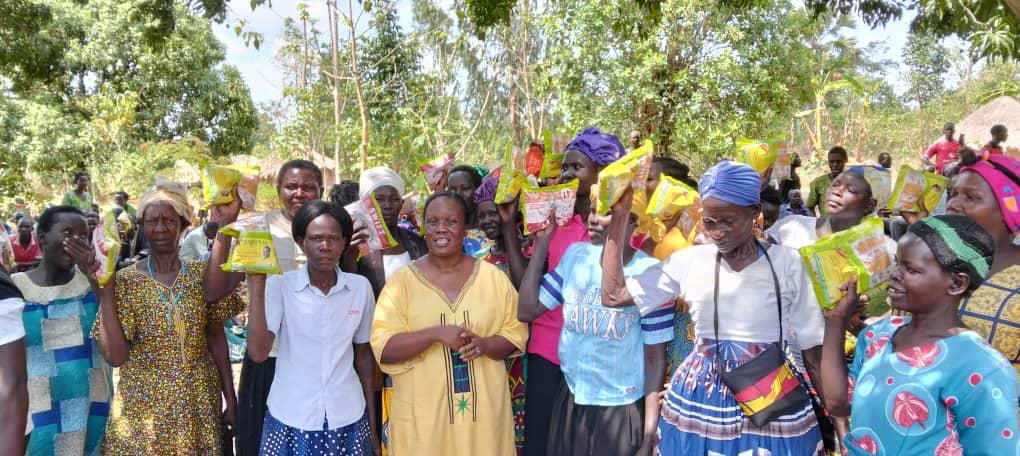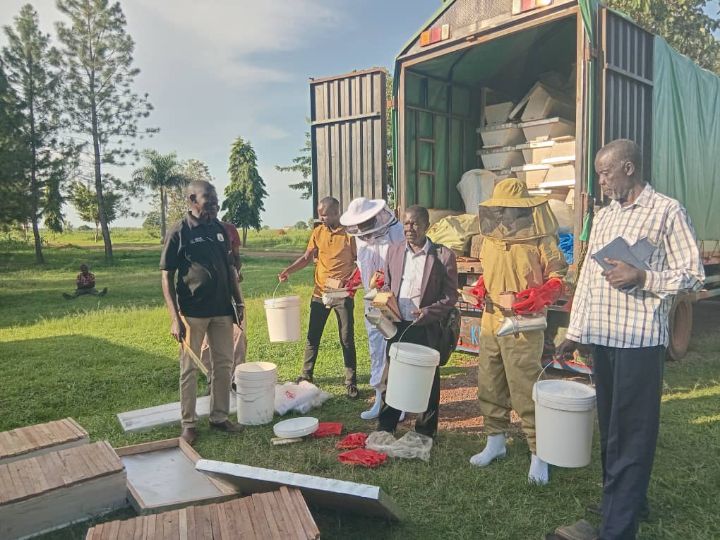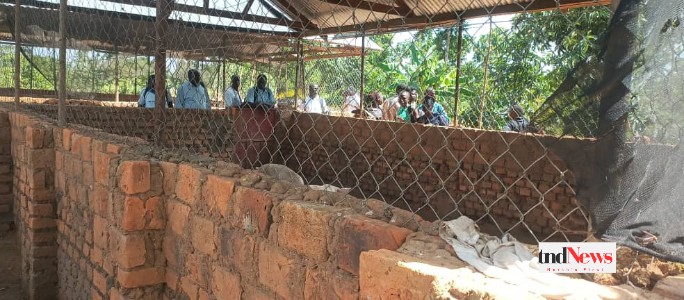
Lamwo | The implementation of climate-smart agriculture (CSA) in the Palabek refugee settlement has significantly improved the livelihoods of youth from both refugee and host communities in Lamwo District.
The Skilling Youth in Agribusiness project, launched by the AVSI Foundation two years ago, aims to provide young people with practical agricultural skills that will allow them to generate long-term incomes.
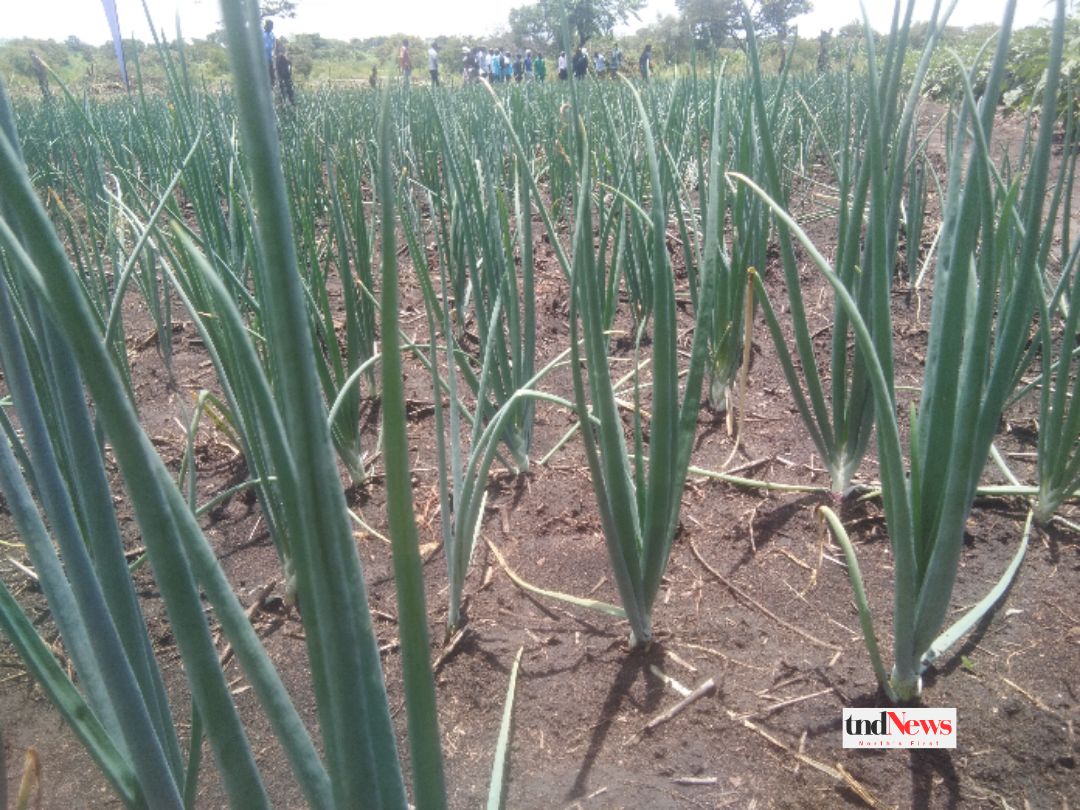
Over 30 youth in the district have already benefited from this initiative, growing crops such as onions, cabbages, eggplants, okra, passion fruits, and rabbits for commercial use.
Joseph Okello, a refugee and one of the beneficiaries, spoke about how the initiative changed his life. Before joining, he struggled with limited food rations, making it difficult to provide for his family.
Okello now earns between shs200,000 and shs300,000 per month by selling tomatoes, eggplants, and onions on land provided by AVSI. Access to solar-powered irrigation has increased his farming activities and ensured year-round production.
Aryemo Joyce, a host community member, praised the program for helping her financially. She grows and sells vegetables in refugee settlement markets after receiving agribusiness training through the Skilling in Agripreneurship for Increased Youth Empowerment Initiative.
She earns shs50,000 per week from selling eggplants alone, bringing her monthly income to between shs200,000 and 300,000.
Auma Kavin, a South Sudanese refugee and mother of five, joined the program in 2022. She first trained in organic pesticide production to protect her crops.
She now earns a steady income from selling her produce, which raises her family’s standard of living. She urged landowners in host communities to help refugees by providing land for agribusiness.
John Bosco Kyaligonza, the Refugee Desk Officer at Palabek settlement, recognised the importance of expanding agricultural opportunities.
With food rations decreasing, he emphasised the importance of providing more land for young people to engage in farming as a source of self-sufficiency and income.
Local leaders, including Okwir Moses Jacky, LC3 councillor for Anaka parish, urged young people to embrace agriculture as a productive alternative to crime, emphasising that agribusiness can lead to financial independence.
John Makosa, AVSI’s Country Representative, emphasised the initiative’s broader goal of training at least 14,000 youth in Uganda, with 3,000 expected to find work in agribusiness.
“We train youth at different levels, including those in school, to shift their mindset about agriculture,” said Makosa. He emphasized the integration of digital innovation, including smartphone-based agricultural tools, to attract young people to farming.

Funded through a €10 million grant from the Dutch Government, the project aims to ensure year-round food production through modern irrigation and advanced farming techniques.
As climate-smart agriculture takes root in Palabek, many young people are now looking forward to a brighter, self-reliant future.
By Vincent Kaguta
Discover more from tndNews, Uganda
Subscribe to get the latest posts sent to your email.