Ayago, Lira City | The agriculture sector continues to be affected by rainfall uncertainties caused by changes in weather patterns. In an effort to increase yields, farmers of all sizes have come up with creative ways to water their farms and gardens.
Since rainfall has become unpredictable, some farmers have gone to utilize wetlands for cultivation, while others continue to farm upland.
In many places, however, olericulture is preferred over maize, beans, and millet, among other crops, because they require adequate rainfall or water supply.
A group of women farmers in Ayago Cell, Ayago Ward, Lira City East Division, are using the Okole wetland for agriculture.
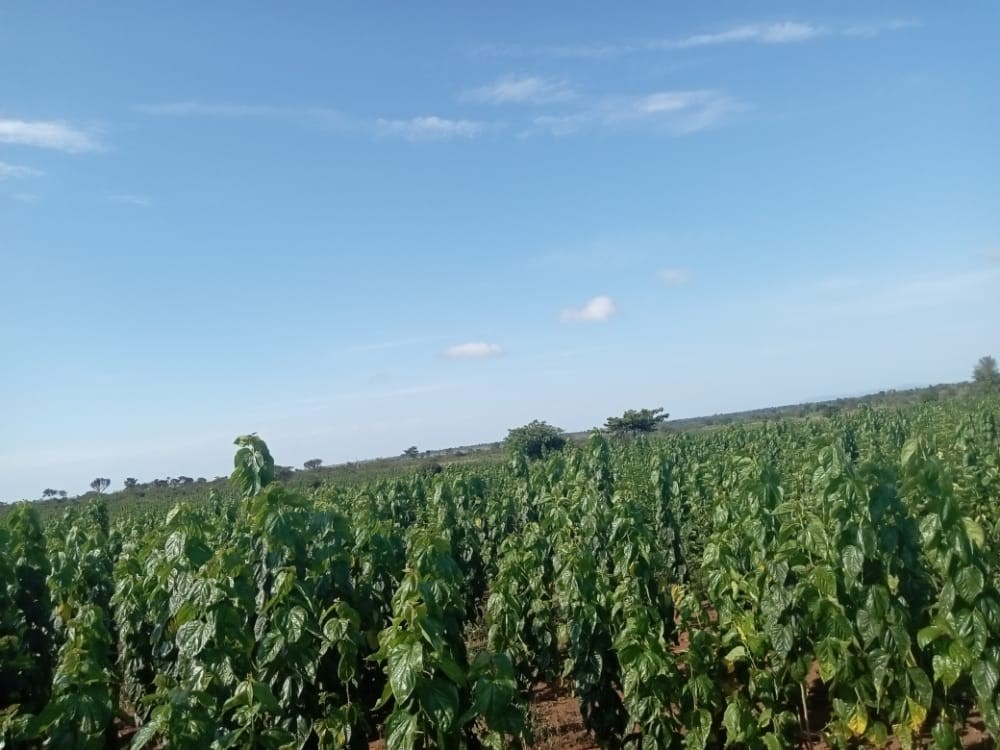
Betty Omara plants beans, sweet potatoes, and vegetables. She has, however, specialised in vegetables because they are easy to manage even during a dry spell.
Omara has used the Okole wetland to practice what she calls “smart farming.” She and more than seven others farm along the shoreline. To ensure constant moisture in their gardens, they dig long holes that allow water to flow from the wetland.
Every season, she earns no less than UGX700,000 from vegetable and sweet potato sales. That is equivalent to UGX1,400,000 per year. She sells vegetables the most.
Nancy Abanya, another farmer, has shared her enthusiasm for farming and her challenges. She had been growing tomatoes and Sukuma wiki until last year, when she shifted her focus to the latter because the former “made her incur a loss.
Her tomato seedlings in a nursery bed were submerged and destroyed. In the previous season of 2024, however, she sold each box of tomatoes for UGX30,000. “I planted tomatoes in May of last year and had a huge harvest,” she said.
Earning more than UGX500,000, Abanya was able to pay school fees for their children, change their diet, and meet other basic needs.
Grace Opido is exceedingly ambitious and committed. She and her husband, Richard Opido, plan to create a “fish pond for the future.”
Meanwhile, Grace is planting vegetables and is one of many farmers “feeding Lira City and beyond.” Aside from vegetables, they have a cocoa and banana plantation.
Once her vegetables (bojo, amalakwang, and others) are ready, she earns at least UGX300,000 per week. However, during a season, she revealed that she can earn UGX1,000,000. Garden preparations can cost up to UGX200,000 each time they plan to plant.

Conny Omara specializes in sweet potato, rice, and vegetable farming. She sells sweet potato vines in addition to selling the actual sweet potatoes. “I sell a sack for UGX30,000, and farmers from all over come to buy it for planting.”
Omara, speaking in a jolly mood, said she sells each sack of sweet potato at UGX60,000 and “it goes very quickly.” In a season, she earns no less than UGX700,000. This money helps her pay for her grandchildren’s school fees, and it also allows her to pay her medical bills when she falls sick.
Omara has been farming since 1994, beginning with rice. That season, she had two sacks. The following season, she had six sacks, and the number continued to rise. Last season, she made UGX600,000 by selling some of the rice she had harvested.

Challenges
These farmers face both personal and collective challenges. The collective challenges have been the destruction of their crop gardens by flooding when it over rains, causing Okole wetland to burst its banks and submerging their plantations.
Second, when the water level drops, their crops suffer due to the sweltering heat. Although some can improvise, those without watering cans would see their crops dry up quickly.
The good news is that even in times of extreme hardship, these women have money, can provide for their families and pay for the necessities of life.
The government comes in.
The Ministry of Agriculture, Animal Industry, and Fisheries (MAAIF) in collaboration with the National Agricultural Research Organization (NARO) and the Uganda Meteorological Authority (UNMA), is preparing to implement a six-year Climate Smart Agriculture Transformation Project (UCSATP).
This project aims to prioritize increasing productivity, market access, and resilience of select value chains in the project areas. Sixty-nine districts, including those hosting refugees, will benefit.
In the Lango sub-region, Apac, Dokolo, Amolatar, Oyam; Alebtong and Otuke have been selected. Supported value chains include soya beans, aquaculture, and fisheries, as well as mango, citrus, beef, and poultry.
This story was produced with the support from InfoNile and Palladium under Climate Smart Agriculture (CSA) Reporting Project.
Discover more from tndNews, Uganda
Subscribe to get the latest posts sent to your email.