By Grace Adero
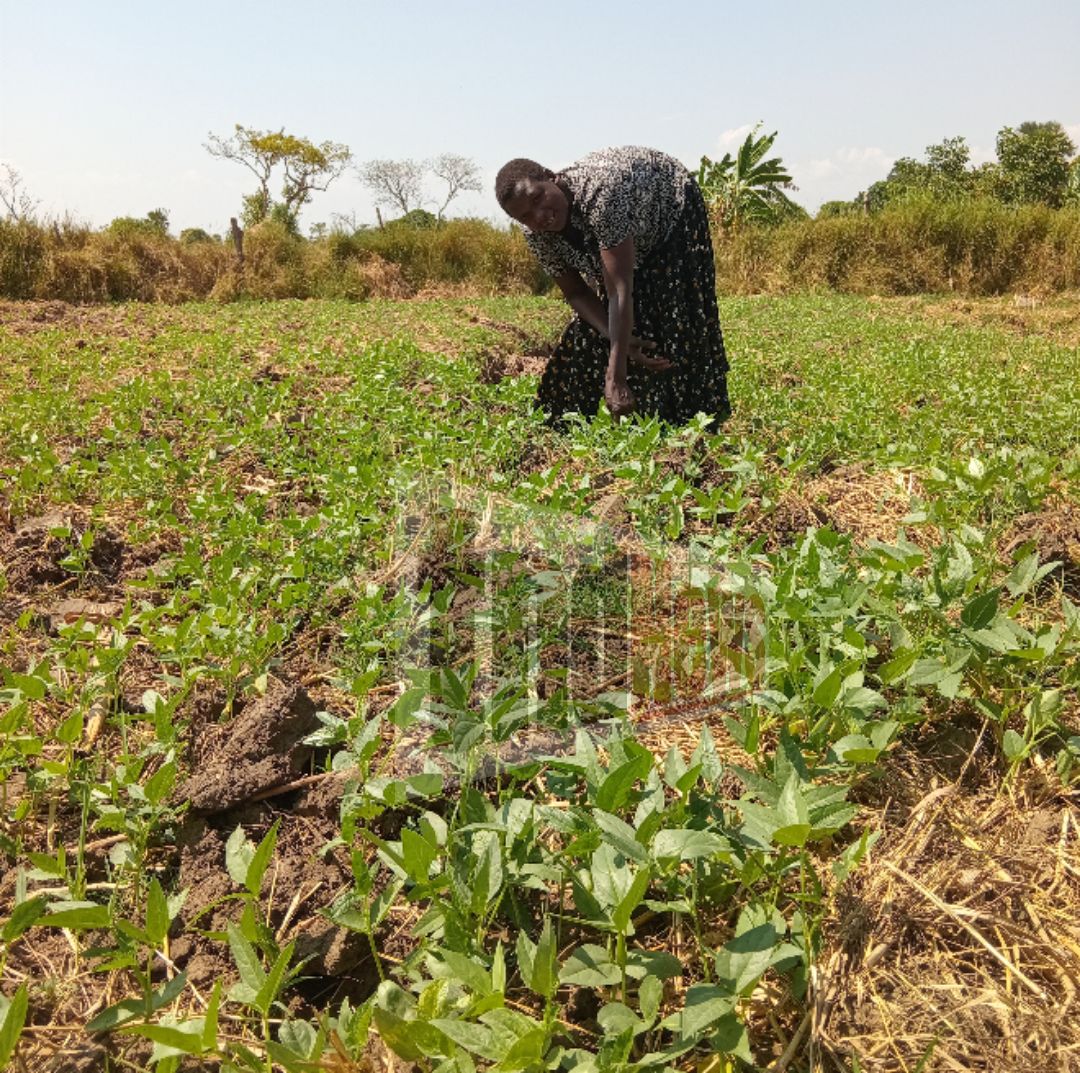
Akello Jane is a 36-year-old resident of Abaroguc village, Ogenga parish Amolatar district who has been engaged in farming since 2016.
She says that the beginning was not easy because of the prevailing customs in northern Uganda where customary land tenure is the predominant form of land ownership and women’s access to land is dictated by marriage.
Akello had to engage the family and clan members in protracted negotiation in order to secure a portion of land for cultivation.
She dug a micro dam to assist in water harvesting to irrigate her plants and has not regretted the move.
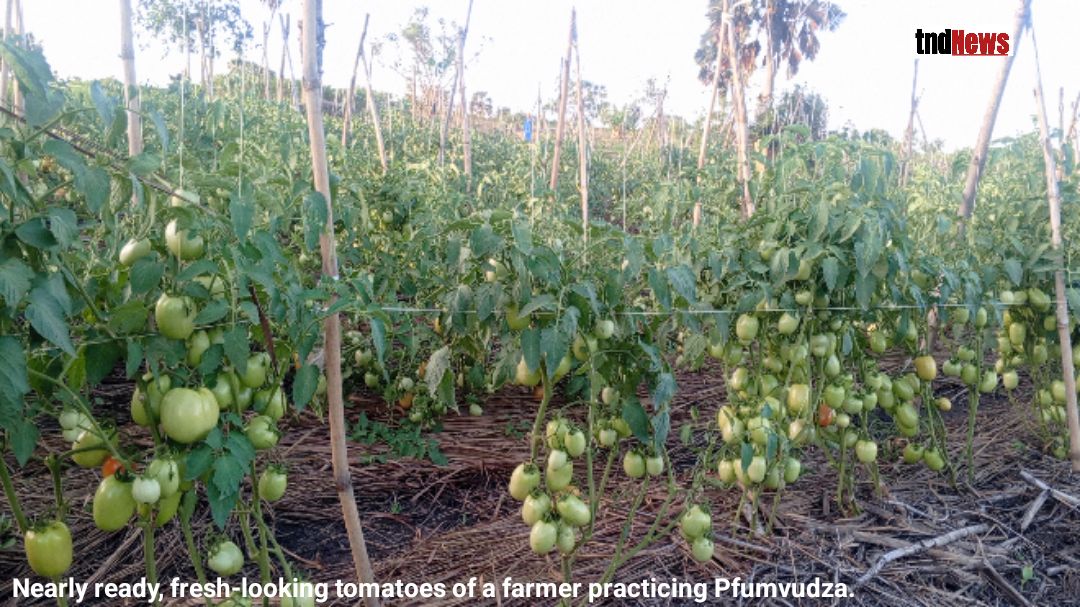
Akello grows vegetables, sugarcane, and fruits. On two acres of land, some portion is for sugarcane, tomatoes, among other vegetables.
She notes that for more women to embrace Climate Smart Agriculture (CSA), and improve food security, women should have access to information especially pertaining to agriculture, and know their rights to own assets like cattle and land.
She argues that a woman with cattle can easily sell them, acquire land and take on commercial agriculture.
Since 2016, Akello has constructed permanent buildings, purchased additional piece of land from the sale of cabbages, green paper, and sugarcane and has transformed her life.
She recounts Climate Smart Agriculture helped her raise part of UGX25 million required to treat her son in India. He suffered a heart complication last year.
Some UGX200,000 is spent on labor for clearing gardens, raising nursery beds, transplanting and weeding every season.
Okello Allan, a senior six leaver is now learning some better farming methods from Akello. He says Jane apportioned for him some piece of land where in the next few days he will be transplanting his tomatoes. This he says is where he expects to raise tuition to join university this year.
Meanwhile in Oryamai cell, Amirirmir Ward Amolatar, Town Council is Sylivia Alaba who learnt her Climate Smart Agriculture from Women in Sweden in 2018 when she visited her husband. She recounts that she was surprised at how women in Sweden were in Greenhouse farming yet feeding many Swedish nationals.

Her opinion is that in order for women to take on meaningful farming, they should work tirelessly and acquire their own piece of land just like she did in 2019 which allowed her to seamlessly plant mangoes, avocado, guava among other fruits.
This was before introducing sweet potatoes, yams, cassava, among various plants, and vegetables.
Alaba’s land is 60 metres by 30 metres but feeds hundreds of residents that buy directly from her farm. Her dream is to sell the land and acquire a larger one.
Alaba is the sole source of labor for irrigating her garden as she wakes up early from 6:00 am to 10:00 am then again from 3:00 pm to 6:00 pm Monday to Saturday.
Normally, her passion fruits and vegetables are sold from home but when buyers do not come in big numbers, the excess produce is taken to Amolatar daily market for sale.
The beauty in Alaba’s farming is that she trains whoever is interested in taking on Climate Smart Agriculture both within Amolatar district and neighboring places at a free cost.
It should be remembered that Sylivia and Jane are not beneficiaries of the Micros Scale Irrigation project currently running within the district but have taken personal initiatives to become Climate Smart Agriculturist.
But according to Bhaali Sophania, the Senior Agricultural Engineer of Amolatar District Local Government, some 11 farmers were enrolled in Climate Smart Agriculture in the last financial year under the government co-funded irrigation project.
Bhaali says the project would open door for more women to fill in and embrace climate smart agriculture.
Discover more from tndNews, Uganda
Subscribe to get the latest posts sent to your email.