Sunday, September 20, started like any other day, until my phone became a bearer of bad news.
At 11 a.m., I learned that my in-law had been involved in a road crash while riding his motorcycle to campus for lectures.
A reckless driver overtook his motorcycle only to brake suddenly in his lane. He sustained injuries on the jaws and is now in hospital, recovering. I thank God.
At 9 p.m., as I sat, catching up with my boys after a long day away, a WhatsApp message popped up: “Okao is dead.” Okao was a driver colleague I befriended during my Senior Six vacation.
We operated a car transport business from the same stage, and we enjoyed the memories as young boys hustling. I progressed academically and into formal jobs, but we remained in touch.
He crashed into a trailer while riding his motorcycle to town. He did not survive.
Two crashes. One Sunday. One survivor, one dead. I sat there asking the same questions many of us ask: Who is to blame? Who is next? Who is actually safe?
It feels like there is a crash within Lira City every 30 minutes. It may not be a police statistic, but it is the lived reality and fear of every family that waits for a boda-boda rider to return home at night.
My mind went beyond the crashes to the young people on the road every morning going to different schools by motorcycle or on foot. Primary school children wake up early, excited to meet friends and learn.
They cross the same highways where trailers park recklessly, where boda-boda riders overtake in fatigue, over speeding cars, drunk drivers, and potholes that look like designs. Their excitement to learn should not be a gamble with death.
These road crashes are not just about bad roads or bad luck. They are about human lives under pressure. A rider working 16 hours to pay rent or a loan, riding tired, stressed, sometimes under the influence to cope.
Our mental state stress, fatigue, grief, and alcohol use is now a major road safety issue, yet we never talk about it.
We need to collaborate; there is a need for enforcement on drink-driving or riding; we should encourage rest for drivers or riders; and we also need psychosocial support at boda-boda stages in Lira City.
Before we ask “who is next?” we must ask “what are we doing to stop it?”
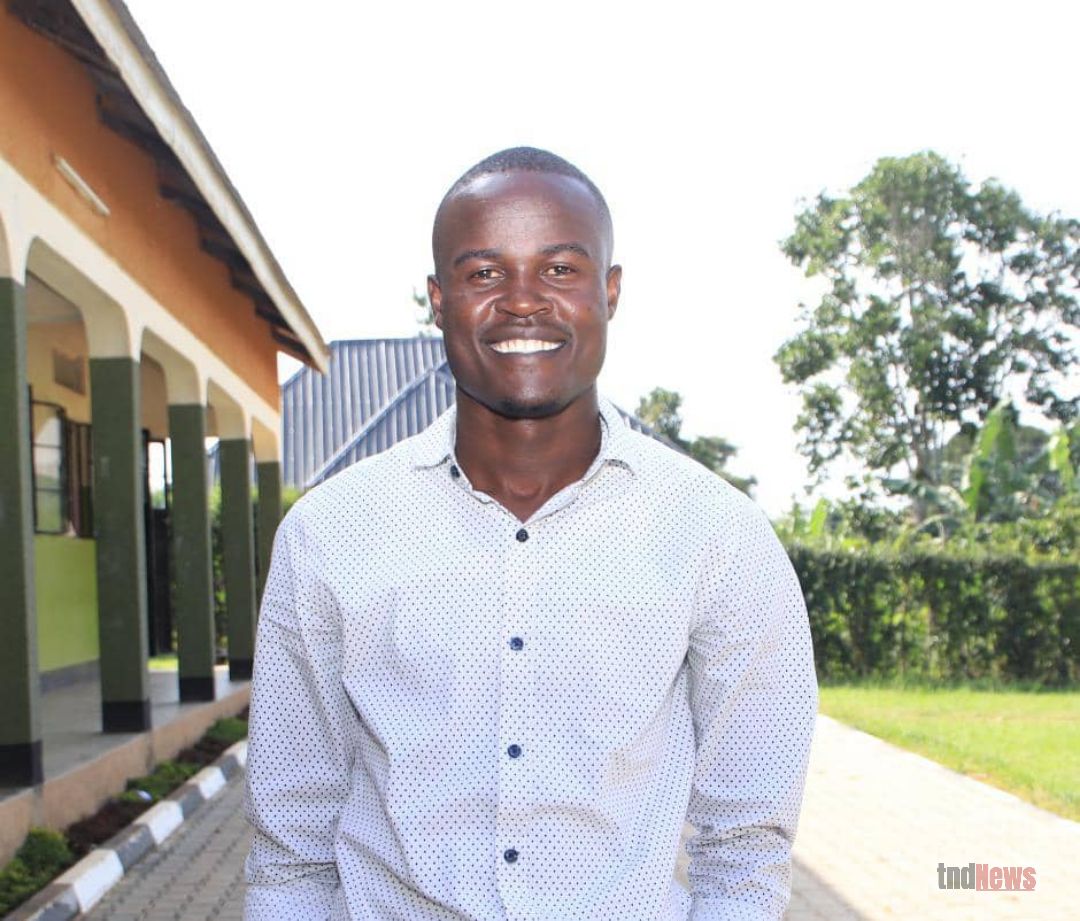
The writer, Ocen Daniel Comboni, is a Community Psychologist and a Master’s student of Mental Health at Lira University.
Discover more from tndNews, Uganda
Subscribe to get the latest posts sent to your email.