By Peter Labeja | The predicted El-Niño rains threatening to follow this year’s acute dry spell will pile extra pressure on Northern Uganda’s food gains and the livestock sector, experts in the region have warned farmers.
Livestock face higher risks of mortality due to anticipated wet weather conditions, poor animal care and water logging among others.
Dr. Charles Obalim, the Gulu district veterinary officer, says ruminants like the small East African goat, sheep and poultry are at increased risks due to poor farming methods practiced in the region.
“We are telling farmers to prepare for extreme water logging. Unfortunately, majority of them leave goats and chicken outside to fend for themselves on the cold rainy nights,” Dr. Obalim warned.
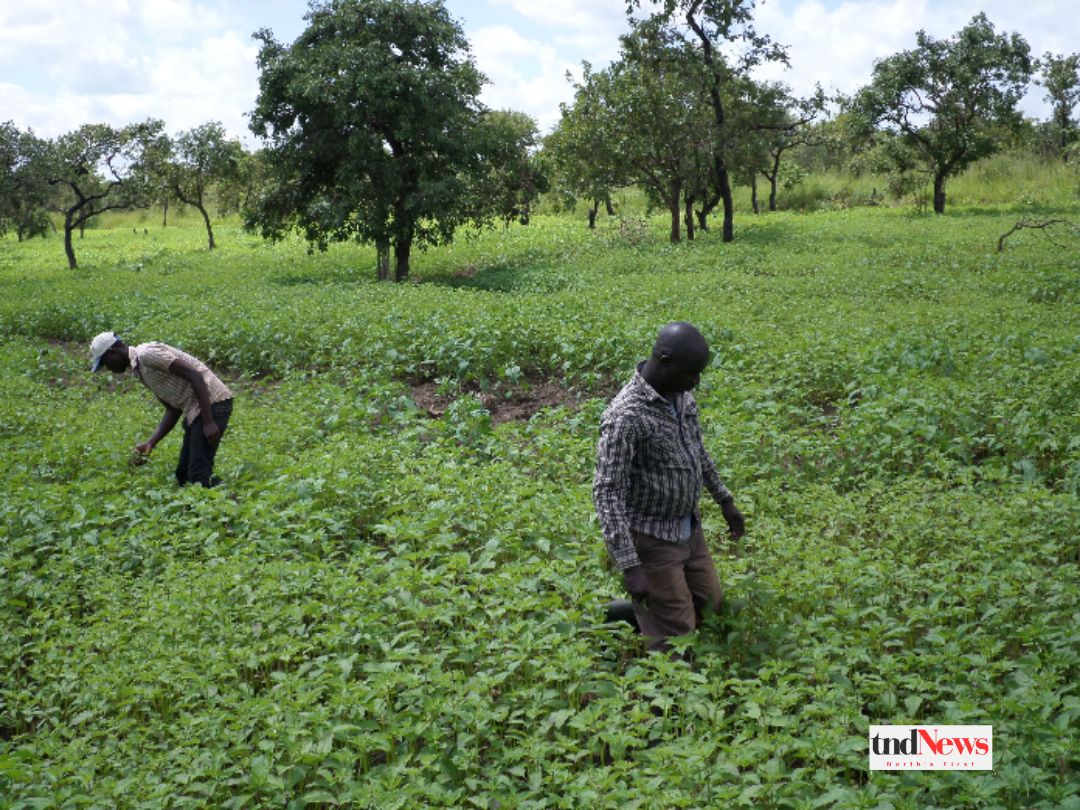
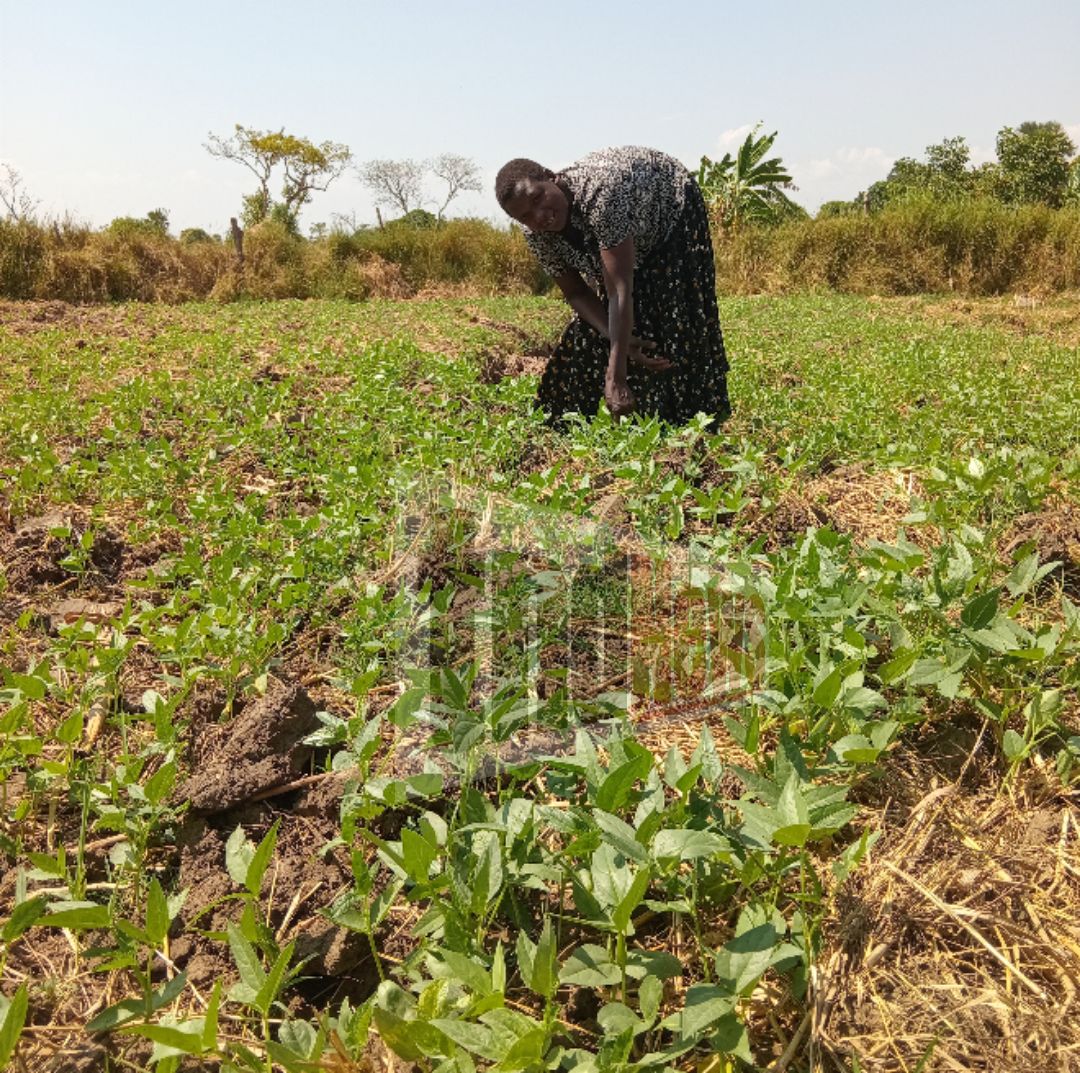
Meteorologists say the tale tell signs of the El-Niño weather is already visible – the acute dry spell which disrupted first season crops growing from May to August. Several households are facing hunger which has killed more than 20 people in Acholi and Karamoja subregions.
Also read: When the rains fail, the goats thrive in Amolatar
The World Meteorology Organization says the exceptionally strong El-Niño weather event will threaten agricultural production, food supplies and livelihoods across Africa with disruption estimated to reach 74 trillion shillings through early 2027.
Mitigation measures
Dr. Obalim is telling livestock farmers in the district that “El’Niño-related weather events, characterized in affected areas by unusually heavy rainfall and flooding, can create serious challenges for livestock farmers.”
Wet conditions can damage grazing areas, contaminate water sources, increase disease risks and make it difficult to keep animals in good condition, he says.
“Extreme water logging can lead to outbreak of foot rot disease among cattle, warm infestation and increase in the population of parasites such as ticks among goats,” he warned.
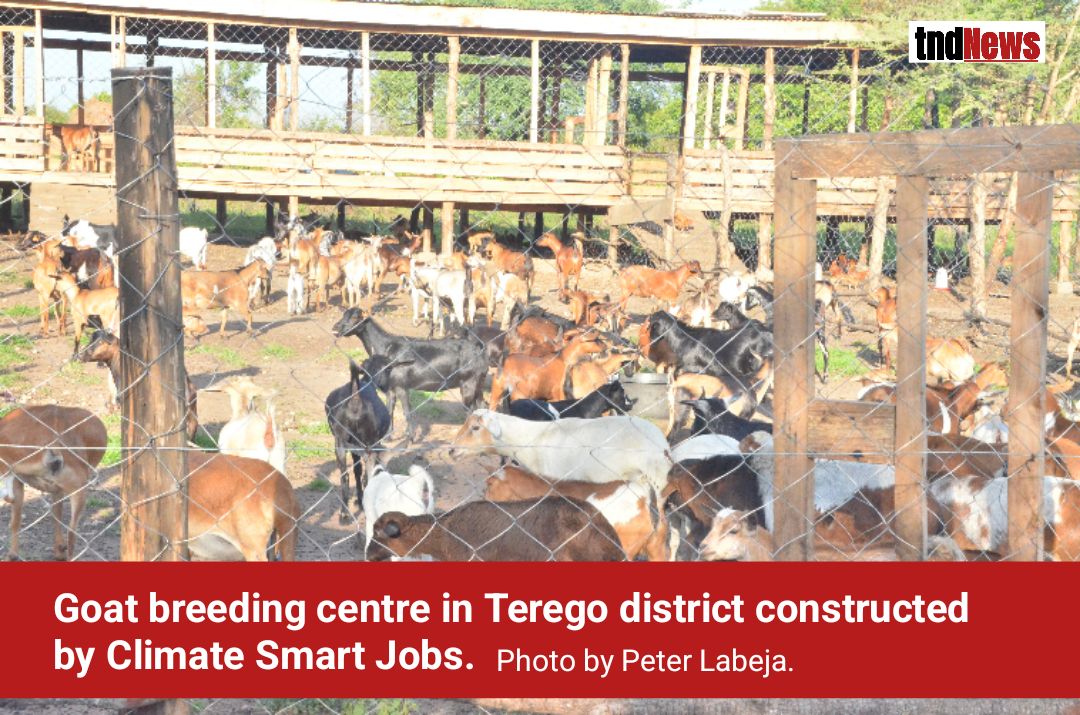
To prepare livestock farmers in Northern Uganda for era of extreme climate shocks like this El-Niño, the Climate Smart jobs, a transformative agribusiness initiative in Northern Uganda has been supporting farmers to construct protective breeding centers for goats and poultry.
In Acholi sub-region, one goat cross breeding center has been built in Atiak sub-county in Amuru district where small holder farmers are trained to cross breed climate resilient small East African goat with the South African boar goat.
Also read: Improved goat breeds transform livestock farming in Yumbe
To build the center, farmers contributed resources for construction of raised pence and procurement of the livestock, which are now being raised with strict biosecurity measures on site. The center is now home to 44 goats.
Nursing kids
While farmers get excited when their goats deliver kids, the baby goats require excellent care to help them grow healthy and strong. Climate Smart Jobs says success with goats breeding begins with proper housing, bedding, feeding and treatment.
“Keep your kids in a dry, clean shelter that is protected from the wind or breeze with enough room for them to lie. Maintain a temperature of 10 to 25 degrees in your kid pen and increase the warmth during cooler months,” a farmers training manual published by Climate Smart Jobs titled How to Nurse Kids state.
Farmers can use hay bales, tarps or plastic sheets around the exterior of the pen to achieve this, making sure that the kids do not chew the plastic to prevent mortality, the manual says.
Charles Ayella, the chairperson of Benaaps Business Solution Limited, the Farmer Group Enterprise managing the center in Atiak, says “we have been trained to use clean bedding such as rice straws, sawdust or wood shavings to keep moisture level of the kids pen down as wet kids can contract harmful diseases and pneumonia.”

Dr. Obalim says, “Pneumonia is a lung inflammation in goats prevalent in wet weather and is one of the leading killers of goats.” He says kids usually struggle to maintain their body temperature putting them at risks of Pneumonia.

At Atiak center, the farmers were also trained in hay making and provided with a solar powered machine by Climate Smart Jobs for them to stock feed ahead of the worst of seasons like the coming El-Niño weather when kids are vulnerable from feeding outside in stormy weather. Goats are ruminants with four chambers of the stomach.
The rumen is one of the chambers that needs a little help to develop as a kid begins to wean from its mother’s milk, usually beginning at around four weeks of age, though it can happen at six to eight weeks as well, according to the CSJ manual.
To effectively feed the Kid, “offer small amounts of grain to jumpstart rumen development at one week of growth. At one month, introduce hay, small amounts of grain, fresh water and pasture time,” Lincoln Nyakudanga, a livestock expert with Climate Smart Jobs, told this reporter during an interview.

Speaking at Genesis Mixed Farm in Yumbe district where another goat breeding center has been built by Climate Smart Jobs, Nyakudanga said a goat’s diet is mostly plant matter – including grass, hay, leaves, bark and weeds – making up to 80 percent as the livestock need roughage for its rumen to function properly.
Lethal diarrhoea
When your goats pass loose or watery stool, it has diarrhoea. While minor changes in stool consistency are normal, chronic diarrhoea is a red flag for any farmer keeping goats. It can cause very serious health consequences such as dehydration and electrolyte imbalances, which have substantial influence on goat health.
Dr. Obalim says “diarrhoea in goat kids can have several causes, including bacterial infections, coccidiosis and other underlying conditions such as intestinal worm infestation.”
Symptoms of any ill-health must therefore be treated immediately to avoid permanent damage to the animal such as stunted growth, poor fertility, poor quality meat and a disease carrying goat.
At Genesis Mixed Farm, there is a symbiotic relationship between the goats and the poultry which pecks the blood shucking ticks from the skin of the goats. The farm employ women and men in the management of activities.
Nyakudanga emphasized preventive healthcare involving the treatment of internal parasites (worms) and external parasites (such as ticks) on schedule to prevent parasites becoming resistant to veterinary drugs.
“Hygiene, proper grazing management, watering and proper care of kids are integral parts of preventive healthcare.” He stated.
Declining quality
The East African goat is a stand-alone breed of elegance like the South African boar. Unfortunately, inbreeding and poor farmer prices have led to significant decline in its quality and stature.

Nyakudanga says a breed is an animal with the same traits, attributes and colour in goats – Sanin, Savanah or boar. The pure boar is characterised by a white body and a brown head, with a horn profile curving downwards.
“A farmer can know it by drawing a circle around its head. Its average weight is 60 kilograms for females and between 100 – 120 kilograms for the male boars.” Nyakudanga explained.
He says the Savanah breed is white with big ears and bred for meat. “Crossing a breed result in a hybrid animal with desired characteristics – disease resistance, high meat quality, tolerance to weather or faster maturity,” he explained.
From a boar weighing 75 kilograms, a farmer can end up with up to 40 kilograms of meat, fetching for him or her income, from about four years of breeding. The South African goats grow faster in body mass compared to the small East African goat.
“For production, it can go up to six to eight years if properly managed,” Nyakudanga explained, saying they are training farmers to feed goats from their pen in unfriendly weather.
Livestock vaccination
Under the Climate Smart Jobs project, the use of vaccines to stop or reduce the effects of diseases such as diarrhea, viral diseases, goat pox, contagious ecthyma and viral pneumonia as well as bacterial diseases like tetanus, brucellosis, mastitis and metritis are strongly recommended, according to beneficiary farmers.
“Foot and mouth disease, lumpy skin disease and mycotic diseases such as dermatophytosis and rickettsial infections like conjunctivitis – are common causes of goat’s mortality in Uganda’s rural areas,” Dr Obalim said.
Alal Beatrice, an elderly member of Benaaps Farmer Group Enterprise in Atiak says they are already seeing improvement in their livelihoods at household levels.
Goat breeding requires relatively little space to rear under intensive paddocks. They reproduce quickly and provide families with multiple sources of value for farmers facing shortage of land. Meat for family nutrition. Manure to improve degraded soil fertility. And income during times of financial need.
The story is produced with grants from InfoNile, a geojournalism water and data journalism organization in the Nile Basin region.
Discover more from tndNews, Uganda
Subscribe to get the latest posts sent to your email.