Kitgum | District leaders in Kitgum are stepping up efforts to address youth unemployment by promoting irrigation farming and commercial agriculture.
Leaders argue that improved access to water for production could unlock thousands of jobs and transform livelihoods in one of northern Uganda’s predominantly agricultural districts.
The proposal comes as unemployment continues to affect a significant proportion of young people, leaving many without stable sources of income despite the district’s vast agricultural potential.
According to Kitgum district LC5 chairperson Tolit Tonny Blair, an estimated 55,425 young people aged between 14 and 24 years are unemployed, while joblessness among those aged 18 to 30 years remains one of the district’s most pressing socio-economic challenges.
The district, which has a population of 239,655 people, according to the 2024 Uganda Bureau of Statistics National Population and Housing Census, has experienced increasing numbers of idle youth, particularly within Kitgum Municipality, where groups commonly known as “Aguu” have become a growing concern for local leaders and residents.
District officials believe the problem is rooted in limited employment opportunities, low industrial development and dependence on rain-fed agriculture, which offers seasonal rather than year-round income.
To reverse the trend, the district has initiated discussions with the Ministry of Water and Environment and the Ministry of Agriculture, Animal Industry and Fisheries to establish large-scale irrigation schemes capable of supporting commercial farming throughout the year.
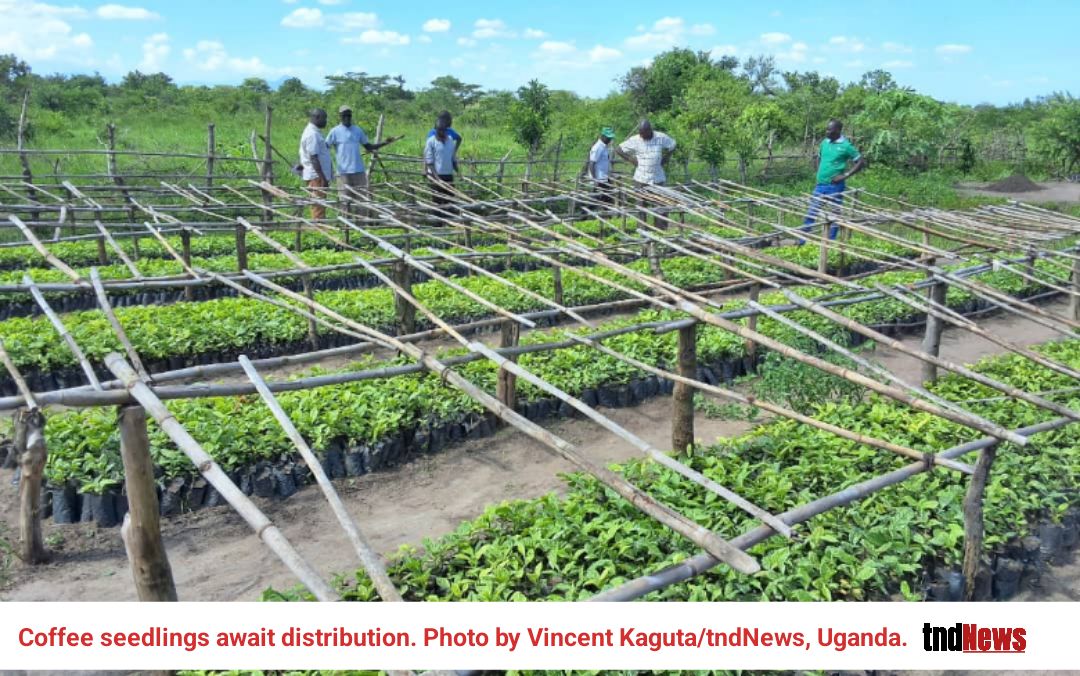
The proposed irrigation projects are expected to enable young people to engage in enterprises such as vegetable production, fruit growing, poultry keeping and other agribusiness ventures that can generate sustainable household incomes.
“If we invest in irrigation and modern agriculture, our young people will have opportunities to earn a living instead of remaining unemployed,” Tolit said.
He noted that while Kitgum has fertile land suitable for agriculture, unpredictable rainfall and prolonged dry spells continue to limit productivity, making irrigation an essential investment for improving food production and creating employment.
District leaders argue that irrigation would not only increase agricultural output but also stimulate related sectors such as produce marketing, agro-processing, transport and agricultural input supply, creating additional opportunities for young entrepreneurs.
Residents have welcomed the proposal, saying reliable water for production could help address one of the biggest obstacles facing youth interested in agriculture.
Sharon Auma, a resident of Pager Division, said many young women are willing to engage in farming but lack both capital and dependable water sources.
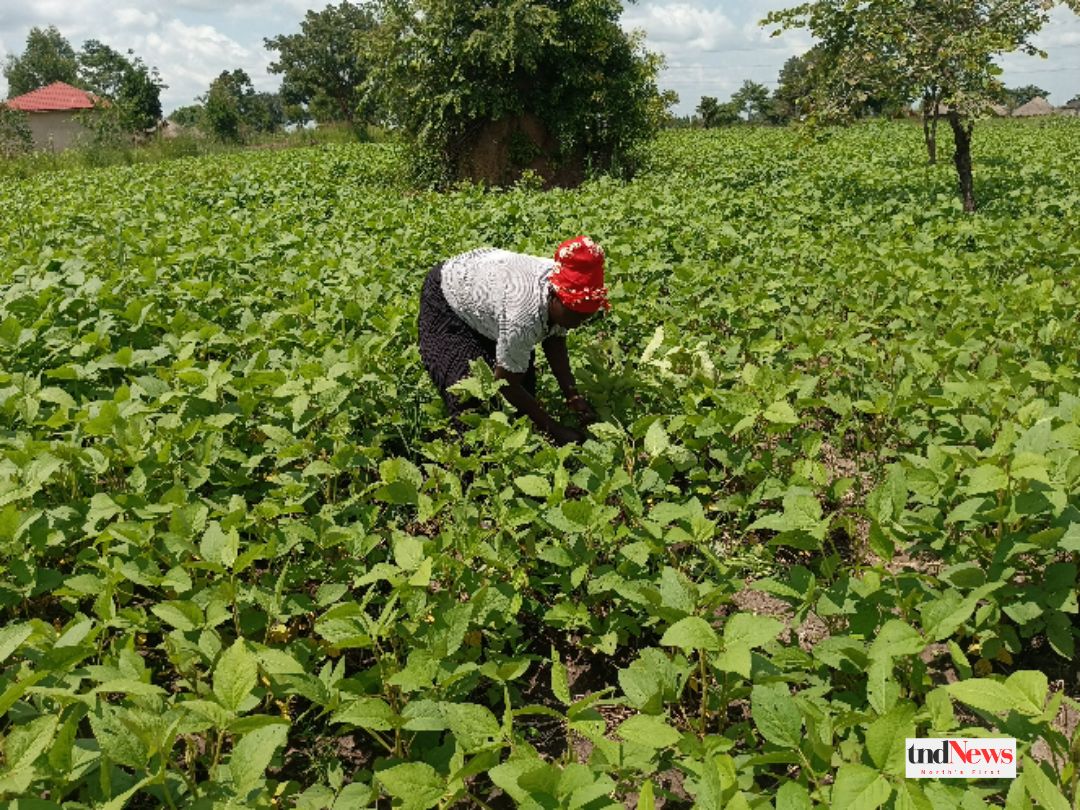
She believes irrigation would allow farmers to grow vegetables and other high-value crops throughout the year instead of depending entirely on seasonal rains.
“If irrigation projects are established, many young people will be able to grow vegetables all year round, earn income and support their families,” she said.
Another resident, Okello Jimmy, who relies mainly on bricklaying for casual income, said employment opportunities remain scarce, forcing many young people to spend their days in trading centres without productive work.
He appealed to the district and the government to fast-track irrigation projects while also providing practical agricultural training, modern farming skills and access to affordable financing so that young people can establish profitable enterprises.
Experts have increasingly identified agriculture as one of Uganda’s greatest opportunities for youth employment, particularly when supported by modern technologies such as irrigation, improved seed varieties, mechanisation and access to markets.
For districts like Kitgum, where the majority of households already depend on farming, investing in irrigation could reduce vulnerability to climate variability while encouraging commercial production instead of subsistence farming.
District leaders say irrigation alone, however, will not solve unemployment unless it is complemented by vocational skills development, extension services, improved rural infrastructure and stronger links between farmers and markets.
They also emphasise the importance of encouraging young people to view agriculture as a business rather than a last resort for those who fail to secure formal employment.
As the district continues engaging central government ministries, local leaders remain optimistic that investments in irrigation infrastructure could become a turning point in tackling unemployment and stimulating economic growth.
For thousands of young people searching for opportunities, the proposed irrigation schemes represent more than improved access to water. They offer the possibility of stable incomes, stronger food security and a pathway towards self-reliance through modern, climate-resilient agriculture.
If successfully implemented, district leaders believe the initiative could not only reduce unemployment but also position Kitgum as a leading agricultural production hub in northern Uganda, creating lasting benefits for both present and future generations.
Discover more from tndNews, Uganda
Subscribe to get the latest posts sent to your email.