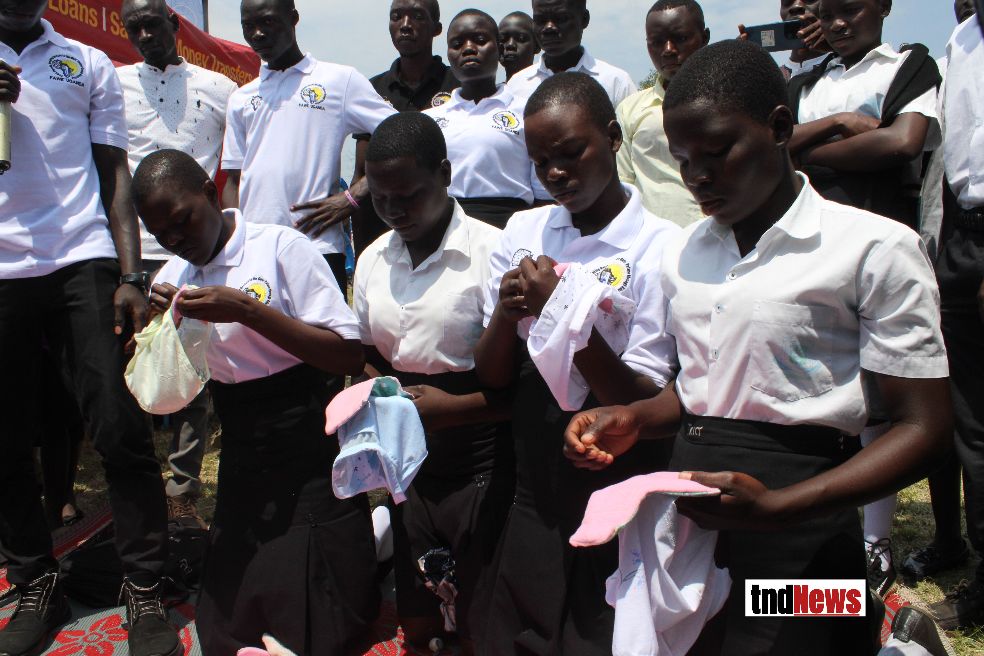
On July 18, Mental Health Uganda, Lira Regional Referral Hospital and Mental Health Uganda Lira Association took mental health camp to Akia Primary School in Lira City.
The two-day camp offered an opportunity to the pupils and local community members to access different health services. In 2023, the Ministry of Health in a study revealed that 30 percent of Ugandans have mental disorders.
According to The Lancet, the primary care system in Uganda is poorly resourced, inadequately funded and ill-equipped to address mental health concerns.
To address the growing challenges and concerns, different organisations have partnered with the government and development partners to make some differences.
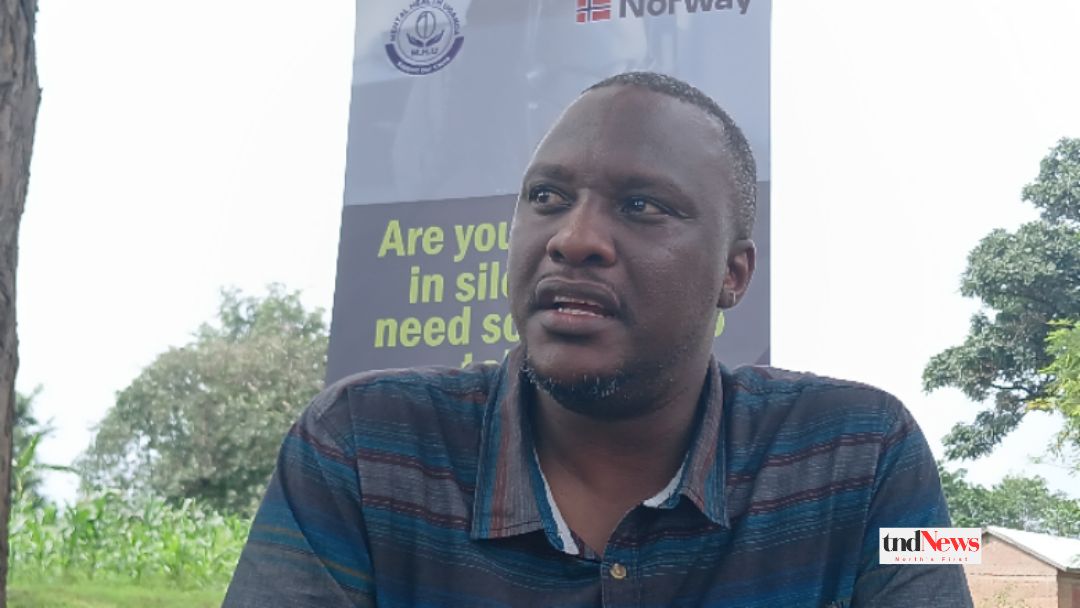
Speaking to Reporters last week in Akia, Derrick Kizza Mbuga, Executive Director of Mental Health Uganda (MHU), said the health camp was part of their routine work in trying to increase awareness of mental health problems but also in the process demonstrate integrated services.
Among the services MHU and partners took to Akia Primary School included circumcision, HIV/AIDS testing and counselling and blood donation. “So, we want to do it as an integrated approach, that you can have a mental health problem but then you might use other information on other health issues,” Kizza said.
He emphasized the importance of integration in fighting against mental health, especially with “reduced funds by the USAID” and the “general shift in global funding or support”.
“This is not a hospital, it is a kind of outreach, kind of camp; so people get information, people get psychosocial support,” Kizza said of why Akia Primary School was chosen to host the camp.
MHU has been working with Lira Regional Referral Hospital to provide psychosocial support and according to Kizza, his organization provides information, services and counselling. “What is important to note is that we also have a TOLL FREE LINE: 0800212121 where people can call anywhere around Uganda between 8am to 5pm, Monday to Friday.”
Looking ahead, Kizza spoke of the grant support from the Norwegian Government. The grant, he said, will facilitate areas of advocacy on mental health financing, popularizing health insurance and pushing local governments to pay much attention to mental health issues through local government budgeting and broader investment.
National health budget
Eight-point-six (8.6) percent of the national budget goes to health. Of this, 0.9 or 1 percent goes to mental health, and Kizza is calling for an adjustment.
“85 percent of this allocation goes to clinical services,” he said. “So, you have 15 percent which has to be shared by the mental health divisions at the Ministry of Health and a bit of scanty work on community-based services.”
Community-based Services (CBSs) are extremely important, Kizza noted. “They increase access to care, they bring the families into action: many of the people here (at the camp) have been accompanied by their families. CBSs are also known for reducing the mental health gaps as people are free to access venues.
The discrepancy in funding undermines services, he noted. “The big chunk of the 85 percent that we get from 1 percent goes to Butabika Hospital, but then you find that there is no money – literally no money to invest in the preventive measures of health care.”
Prevalence
On mental health prevalence, the MHU Executive said studies haven’t looked at districts but regions. “The Acholi and Lango are fairly the same but you can only rate mental health problems if you address the predisposing factors: domestic violence is still very high here, alcoholism go unchecked, drug abuse is not checked; poverty, land conflict and now recently with the balaloo but also the ones in Apaa.
“All this will continue to predispose people to mental health problems. So, for you to check whether the rate is going down, you have to address the predisposing factors.”
“I know addressing poverty takes a long time, it is a process,” Kizza said, stating that land conflicts with the balaloo and conflicts in Apaa, and the nodding disease are “silent killers and will continue to predispose families to mental health.”
“Even when you addressed and curtailed it, it is like we don’t have war here. So, absence of war does not qualify that you don’t have mental health problems because the impact of the war on the northern part of Uganda is long term.”

Irera Charles, Principal Psychiatric Clinical Officer heading the Mental Health Unit at Lira Regional Referral Hospital, said they have a 32-bed capacity unit for male and female patients.
Speaking to reporters in Akia, Irera said the unit runs a daily outreach program under Liaison Psychiatric Service with special attention on Tuberculosis, HIV and surgical wards.
Medical conditions, meningitis and cerebral malaria, Irea announced, are the causes of mental illness. The HIV/AIDS, diabetes and hypertension units have been integrated with that of mental health, Irera told reporters.
Regarding partnerships, Irera said there are various partners for outreaches. He mentioned “Mental Health Uganda Lira Association (MHULA).” “It is offering us three outreach clinics, among them in Alito, Kole district.” The outreach areas, he said, were identified as “high burdened”.

“The numbers which were coming from those areas to the Regional Referral Hospital were many.”
MHULA is a group of people who care about mental health, and the patients it has affected.
According to Irera, as of last week, 47 patients had been admitted to Lira Regional Referral Hospital’s mental health unit. “We have a normal mental health clinic, but we also run a drug clinic purposely for substance abuse. Various substances are being abused, and some of the substances are coming from Sudan, Kenya and add to our marijuana here–coming from Mbale.”
The normal medical drugs such as tramadol, walium and others, are being abused across the Lango sub-region. “We are able to do rehabilitation at the mental health unit for people who are affected by drug abuse,” the head of the unit revealed.
Mental health in children
Sekindina Akidi, head teacher of Akia Primary School said it was a privilege to host “the mental health unit from Lira Regional Referral Hospital.” “They have come, talked to the communities and the best part is that they have talked to the children and they have given us many areas of concern.”
“The majority of the children we have; majority are not taking care of themselves. Some of them are taking marijuana, and smelling things that make them have mental health,” Akidi said.
“Mental health is causing a lot of indiscipline in most of the schools. It begins from primary and goes to secondary level. So, shaping them from primary will make them really have discipline in secondary schools.”
Akidi, who could not hide her happiness at hosting the camp, said her children were able to ask genuine questions to help them move ahead with studies.

The school, according to the head teacher, has one case of mental illness involving a boy. “We are trying our level best to help the boy. He was very bright, but we are now seeing mental illness is making him deteriorate. He’s going to pass through guidance and counseling. The boy will pass.”
Akia Primary School has 1,200 pupils. Of the numbers, about 156 have different forms of disabilities. “Some are mental, some have sight and deaf problems. Some cannot even write, but we are keeping them, taking care of them,” said the head teacher.
Discover more from tndNews, Uganda
Subscribe to get the latest posts sent to your email.