Alebtong | A wave of transformation is sweeping through Alebtong district as a targeted Water, Sanitation, and Hygiene (WASH) initiative begins to redefine learning conditions in government-aided primary schools.
Spearheaded by the development organization Link to Progress and funded by Vision for Children, the two-year project, launched in 2023, is making significant strides in uplifting education standards across seven underserved schools, including Omele Modern, Omoro North, Agoro, and Atelelo Primary Schools.
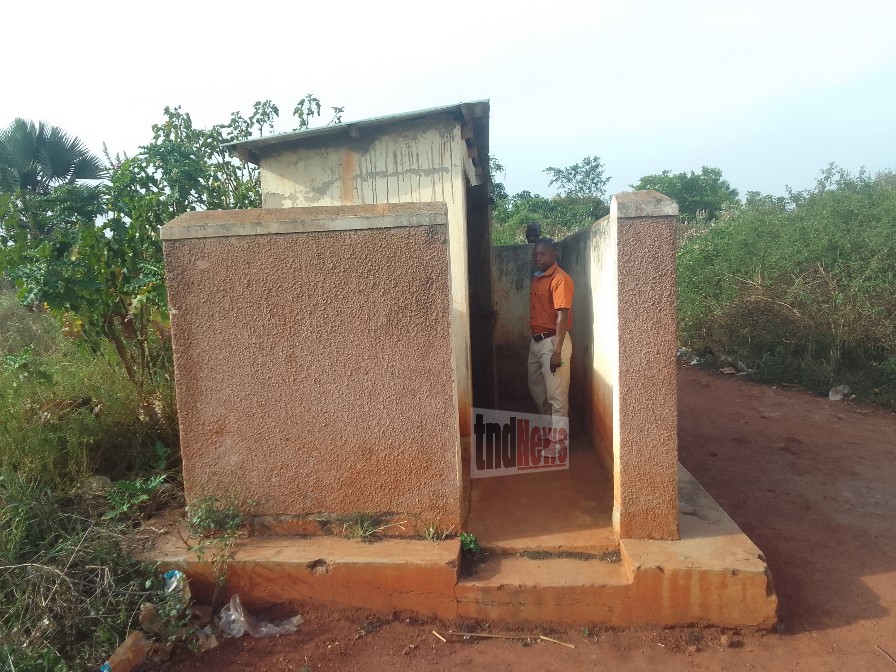
On June 19, 2025, the initiative hit a major milestone when the Alebtong Resident District Commissioner (RDC), Geoffrey Okiswa, officially commissioned a shs43 million modern latrine block at Omele Modern Primary School.
The gender-sensitive and well-ventilated facility is designed to improve student dignity, hygiene, and attendance particularly for adolescent girls.
According to Peter Opio, Program Officer at Link to Progress, the project has injected over shs1.5 billion into a comprehensive package of interventions addressing both infrastructural and social barriers to education.
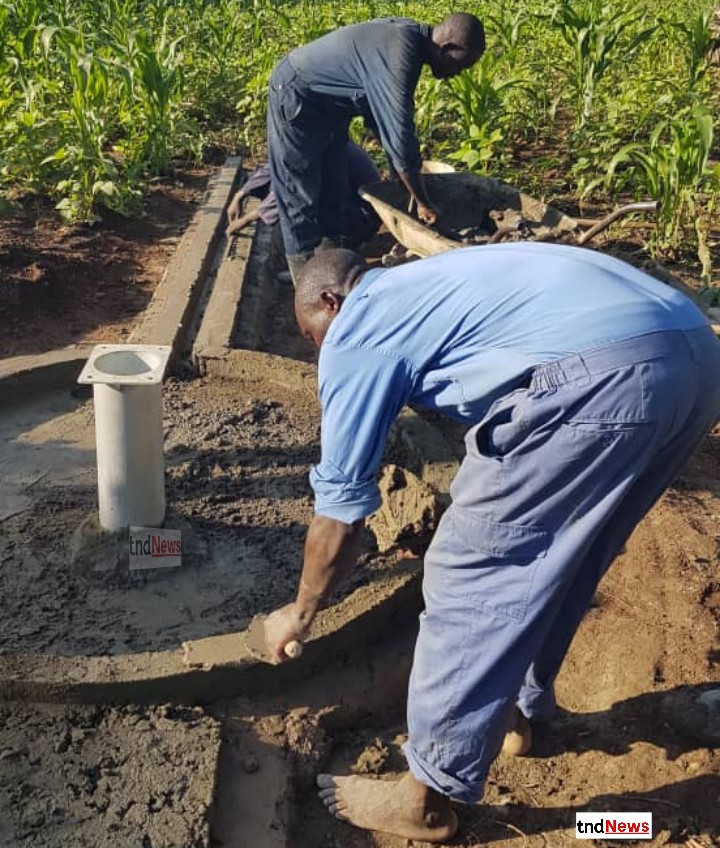
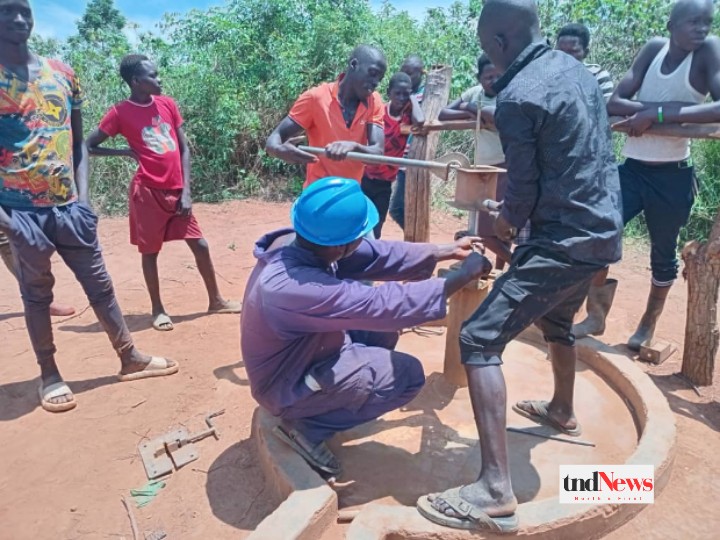
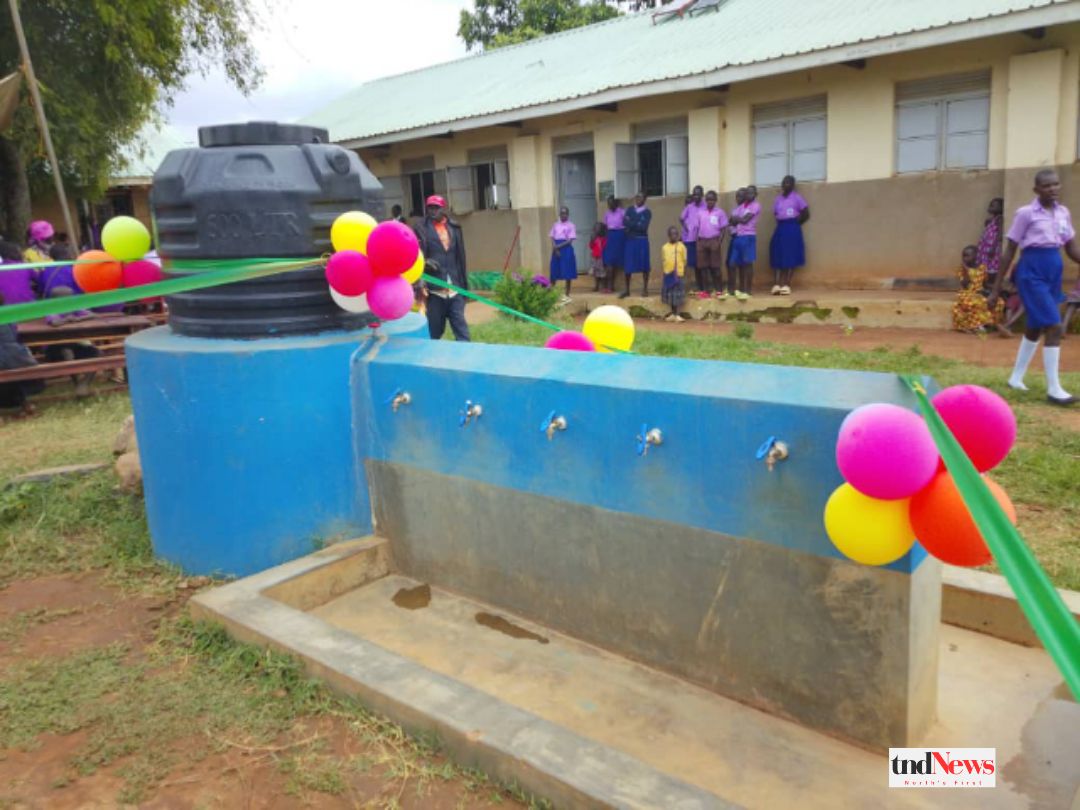
These include the construction of 16 drainable latrine blocks, rehabilitation of boreholes, installation of handwashing stations, provision of institutional energy-saving cookstoves, and delivery of school feeding supplies.
Each of the seven schools also received 1.5 tons of maize flour and beans, stainless steel saucepans, and hygiene kits, including over 350 reusable sanitary pads for schoolgirls.
“We are not just improving infrastructure; we are tackling the root causes of nutrition, sanitation, and health that keep children, especially girls, out of school,” said Opio.
However, sustainability remains a pressing concern. Opio warned that low parental involvement, especially in school feeding programs, may jeopardize progress once donor support phases out.
“Many parents are hesitant to contribute, believing donors will always provide. That mindset must shift,” he emphasized.
To encourage community ownership, Link to Progress has rolled out sensitization campaigns urging parents to take responsibility for sustaining school meals and hygiene practices.
A strong capacity-building component has also been embedded into the program to empower key actors in the education system.
Opio confirmed that Parent-Teacher Associations (PTAs), School Management Committees (SMCs), and local leaders have received training in areas such as WASH facility maintenance, child protection, mental health awareness, environmental stewardship, and budgeting for infrastructure upkeep.

“We are equipping school authorities with leadership and planning skills to ensure these improvements last beyond the life of the project,” he added.
In addition to sanitation, the initiative also promotes environmental sustainability. The energy-saving cook stoves installed in school kitchens have reduced firewood consumption by over 40%, thereby curbing deforestation and improving indoor air quality.
“This green initiative not only protects the environment but also contributes to healthier learning environments,” Opio said.
He further encouraged school communities to embrace tree planting and climate-resilient practices to align with broader environmental goals.
At Omele Modern Primary School, the impact of the project is already tangible. Senior Woman Teacher Lillian Atoo noted that the availability of menstrual hygiene products and clean, private sanitation facilities has empowered girls to stay in school.
“Girls no longer miss school during their periods. They feel safe, confident, and equal in the classroom,” she said.
Senior Man Teacher Celestino Oryem praised the inclusive infrastructure, which accommodates learners with disabilities, and noted a significant drop in absenteeism linked to improved hygiene.
He also highlighted the nutritional benefits of the feeding program, which has enhanced learners’ concentration, particularly among boys who previously skipped afternoon classes due to hunger.
Voices from the pupils
A Primary Seven pupil, Noreen Apio (not her real name), shared her relief at no longer fearing school toilets and said she feels proud of her school’s transformation.
Another pupil, Laker Peace (not her real name), said access to sanitary pads and clean facilities has reduced illness and boosted her classroom confidence.
Enrollment soars
Headteacher Pascal Obote reported a surge in enrollment at Omele Modern Primary School, rising from 700 to 1,818 pupils within two years. He attributes this growth to the improved infrastructure and welcoming school environment.
However, Obote raised concerns about the new challenges that come with higher enrollment. The school is now grappling with a shortage of classrooms, desks, and teachers, particularly in lower primary, where some pupils still sit on the floor.
“We are a victim of our own success. We urgently need government and partner support to handle this growth,” he appealed.
During the commissioning event, Alebtong District LC5 chairperson David Kennedy Odongo commended Link to Progress for delivering what he described as a model intervention.
“This partnership shows that NGOs and local governments can collaborate to create real change,” he said.
Odongo revealed that the district is working to identify more underserved schools that could benefit from similar support. He pledged to incorporate the WASH standards introduced by Link to Progress into the district’s education policies.
He also addressed broader social issues, warning that domestic violence undermines children’s education. He criticized families who spend more on resolving disputes than on school fees, urging parents to prioritize stability at home.
“Stable homes are essential for learning. Parents must prioritize their children’s future,” Odongo emphasized.
He disclosed that in the current financial year 2024/2025, the district is supporting eight schools with new infrastructure. In 2025/2026, 10 more schools will each receive four new classroom blocks.
Notably, Omele Modern Primary School is slated to receive four additional classroom blocks in the 2026/2027 financial year to cater for its growing pupil population.
Resident District Commissioner Geoffrey Okiswa echoed Odongo’s remarks, urging communities to take full responsibility for maintaining new facilities. He commended NGOs and community-based organizations for complementing government efforts by bridging budget gaps and reaching grassroots communities.
“This is a symbol of progress, and I call on the school community to maintain and protect it,” RDC Okiswa said during the commissioning.
“The central government alone cannot manage all this due to budget constraints,” Okiswa stated.
He stressed the vital role of NGOs in mobilization and awareness creation, particularly in strengthening the education system.
The RDC also issued a warning against the misuse of government funds, especially under the Parish Development Model (PDM), which is intended to improve family livelihoods and educational outcomes.
“Using PDM funds for alcohol or polygamy, as seen in some households, is not only irresponsible but endangers our children’s future,” Okiswa cautioned.
Discover more from tndNews, Uganda
Subscribe to get the latest posts sent to your email.