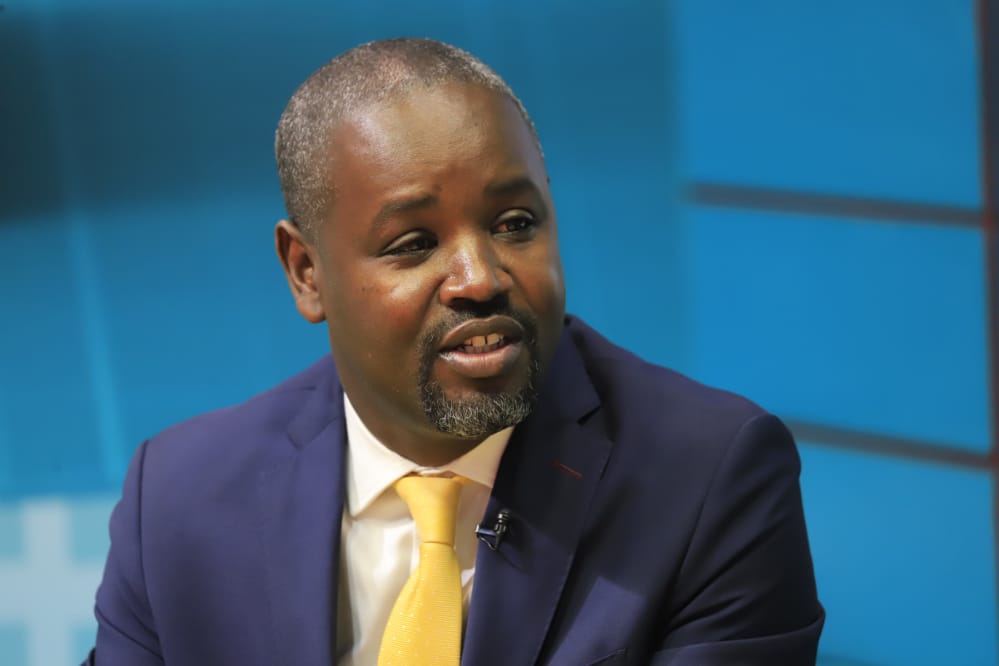
By Dr. Morris Chris Ongom, Director Chamber of Commerce Lango Chapter and CEO GLOFORD Uganda
The political landscape in Lango sub-region, like much of Uganda, has undergone a significant transformation over the years. Historically, Lango has been a sub-region marked by strong ideological foundations, where leadership was largely guided by vision and a deep commitment to the common good.
However, today’s political climate is often dominated by financial influence, where the distribution of money overshadows issue-based leadership. This shift has led to a diminishing focus on ideology and long-term development, replacing it with transactional politics that prioritize short-term material gain.
This article explores why money distribution cannot compete with ideas in Lango’s electoral politics, reflecting on the historical contributions to Uganda from independence to date.
It will also examine the ideological foundations that shaped Lango’s leadership, the dangers of commercialization in politics, and why Lango must return to its original political principles rooted in vision, action, and service to the people.
Historical contribution of Lango to Uganda
From the time of Uganda’s struggle to and after independence in 1962, Lango has played a pivotal role in shaping the nation’s political and socio-economic direction. It has produced leaders who have influenced governance, education, and public service. These individuals championed policies that strengthened Uganda’s economic and social structures, focusing on self-reliance, national unity, and public service rather than personal enrichment.
Lango’s leadership has always emphasized collective progress, advocating for state-led development programs, investment in education, and policies that empower citizens inclusively. Many leaders from the region believed that politics was about serving the people, not accumulating wealth, and this made Lango a stronghold of progressive leadership in Uganda.
Lango’s ideological bedrock and leadership tradition
The foundation of Lango’s leadership model lies in its cultural and ideological ethos. Lango’s traditional leadership was based on communalism, respect for elders, and an emphasis on collective welfare.
Lango’s leaders historically prioritized education, social justice, and governance policies that promoted economic empowerment for all.
Leadership in Lango has long been anchored on values of integrity, vision, and people-centered governance. Political decisions were made based on the needs of the community rather than individual financial gains. This ideological foundation ensured that leadership remained a tool for societal transformation rather than personal advancement.
The decline: The rise of money politics and limited issue-based leadership
In recent years, Lango has witnessed a decline in its political values, with elections increasingly becoming contests of financial strength rather than contests of ideas. Politicians now resort to distributing money, food, and other material incentives to win votes, reducing politics to a transactional affair rather than a platform for national transformation.
This trend has serious consequences. First, it undermines the ability of leaders to govern effectively, as their focus shifts from serving the people to recouping the money spent during campaigns.
Second, it weakens accountability, as politicians who buy their way into office feel less compelled to deliver on their promises.
Third, it discourages young, visionary leaders who lack financial muscle but possess transformative ideas, ultimately leading to stagnation in governance creating a missed cross-generational leadership development.
Lessons from Lango’s past leaders: Standing tall on the scale of ideas
Lango has a rich history of producing leaders who were revered not for their wealth, but for their commitment to transformative leadership. Many individuals led the region with an ideology-driven approach, focusing on national unity, economic self-reliance, and social justice and democratic tenets.
Despite challenges, they championed policies that empowered citizens and shaped Uganda’s development trajectory.
Public service and policy leadership were defined by vision, action, and service to the people. Leaders from Lango engaged in intellectual debates, developed policies that improved livelihoods, and built governance structures that strengthened Uganda’s socio-economic framework. Their leadership was defined by problem-solving and innovation rather than personal enrichment.
The call for a return to ideological leadership
For Lango to reclaim its rightful place as a center of progressive leadership, it must return to its ideological roots. The region must prioritize leaders who bring forth innovative solutions, champion policies that address the real issues affecting citizens, and uphold the values of integrity, service, and accountability.
Conclusion: Rekindling the spirit of ideological leadership in Lango
Lango’s political legacy has been built on the power of ideas, visionary leadership, and a commitment to the common good. The region’s greatest leaders stood tall because they prioritized ideology over financial gain.
However, commercialization and patronage politics have eroded this foundation, shifting leadership away from long-term development to short-term transactions.
If Lango is to regain its political strength, it must reject money-driven politics and return to the values that made it great—leadership rooted in vision, action, and service to the people. The sub-region’s future lies in electing leaders who inspire, innovate, and champion transformative policies, not those who buy votes.
Lango has a duty to restore its legacy of principled leadership, ensuring that ideas, not money, determine the region’s political future. Only then can it continue shaping Uganda’s political and socio-economic trajectory for generations to come.
Discover more from tndNews, Uganda
Subscribe to get the latest posts sent to your email.