February 2025 has been a month of significant developments in Uganda, with events that require our attention and critical reflection as the country approaches the “ritual” elections in 2026.
The unfolding political and judicial crisis reveals deep contradictions within the State, reinforcing the reality of four decades of NRA/M rule, which is still anchored in a family-led power structure.
In a landmark ruling, the Supreme Court of Uganda declared that the UPDF Court Martial had no legal justification to try civilians. The Court ordered the immediate release of civilians, including Dr. Kizza Besigye and others who were facing military prosecution.
This ruling was a reaffirmation of judicial independence and the fundamental rights of Ugandan citizens.
Presidency and military dismiss the Supreme ruling
In a blatant dismissal of judicial authority, the Commander-in-Chief of the armed forces and President of Uganda, Gen. Yoweri Museveni, alongside his son, the CDF Gen. Muhoozi Kainerugaba, refused to comply with the Supreme Court’s directive.

This open defiance of the highest court sets a dangerous precedent, rendering the judiciary powerless against executive and military overreach.
The frail state of Dr. Kizza Besigye
Opposition leader Dr. Kiiza Besigye was brought back to court in a visibly frail and worrying condition, signaling the continued suppression and persecution of dissenting voices. His deteriorating health raises serious concerns about his well-being and the broader state of human rights in Uganda.
Parliament gags Presidential debate
In a further move to stifle democracy, the Parliament of Uganda amended its Rules of Procedure, effectively barring debates on the Presidency. This undemocratic maneuver serves to shield the regime from scrutiny, ensuring that any discussions on leadership transition remain criminalized.
Persecution of Uganda Law Society President
The President of the Uganda Law Society (ULS), Mr. Isaac Ssemakade, was arbitrarily tried and sentenced to two years in prison, marking yet another attack on the rule of law and judicial independence. His sentencing serves as a warning to legal practitioners who dare to challenge the status quo.
What lies ahead?
As these events unfold, one must critically assess what the future holds for Uganda in the 40th year of NRA/M rule. The country is at a crossroads—governance has increasingly tilted towards military dominance, yet it remains veiled under the guise of a civilian administration.
Is it not time to formally declare direct military rule to end this political uncertainty? Would this not be a more honest reflection of the current reality, rather than the continued pretense of constitutional governance?
Ugandans must now reflect deeply on the fate of the nation. As the 2026 elections approach, will the people continue to be pawns in a predetermined political script, or will they rise to reclaim their future?
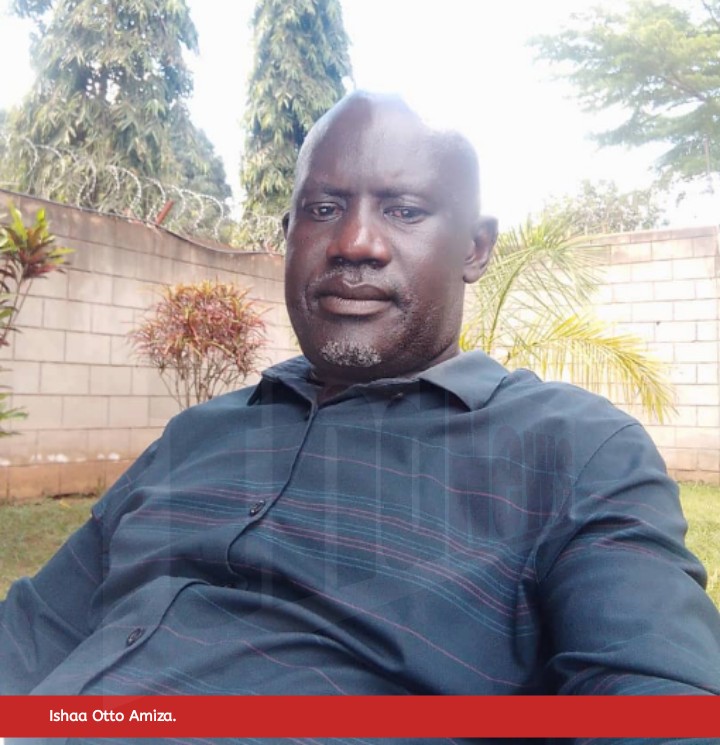
The author, Ishaa Otto Amiza, is a former MP for Oyam South and a political activist.
Discover more from tndNews, Uganda
Subscribe to get the latest posts sent to your email.