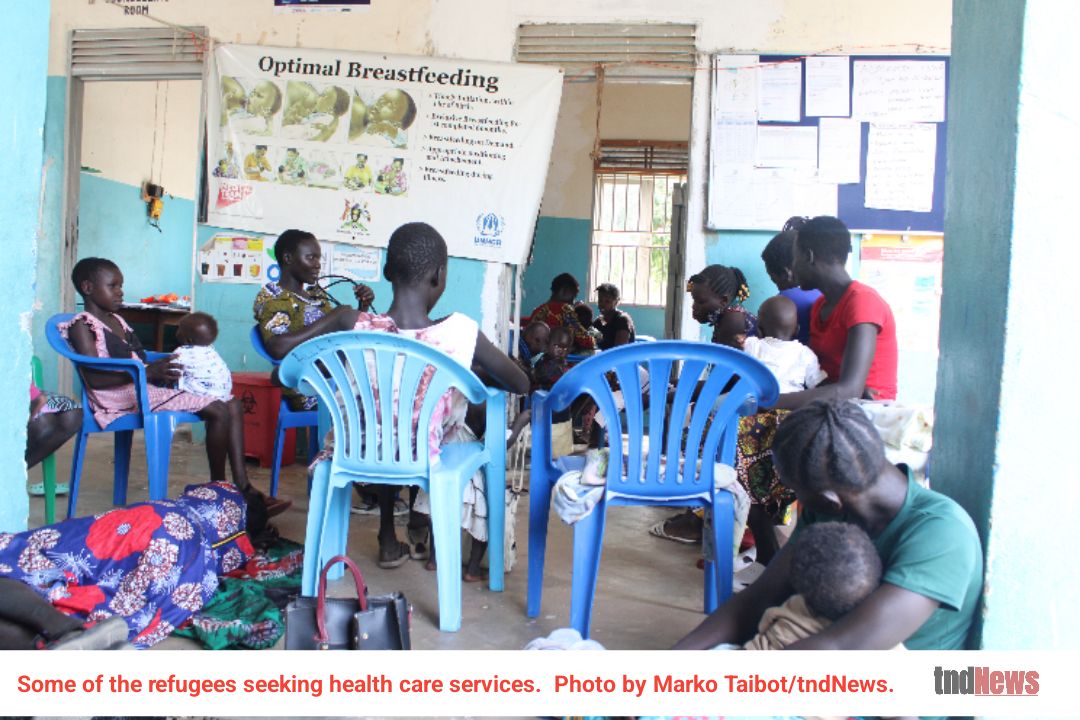
South Sudanese immigration officials have urged the United Nations High Commissioner for Refugees (UNHCR) and other humanitarian agencies to address food shortages among refugees in Uganda, warning that some are reportedly returning to South Sudan in search of food.
Taban Francis, an immigration officer at Pogee Border Post in Magwi County, South Sudan, said some refugee households were struggling to access basic necessities, raising concerns about the welfare of vulnerable families, particularly children.
Francis also expressed concern over reports of children increasingly moving along roadsides and called on humanitarian agencies to strengthen assistance to refugees facing worsening hardship.
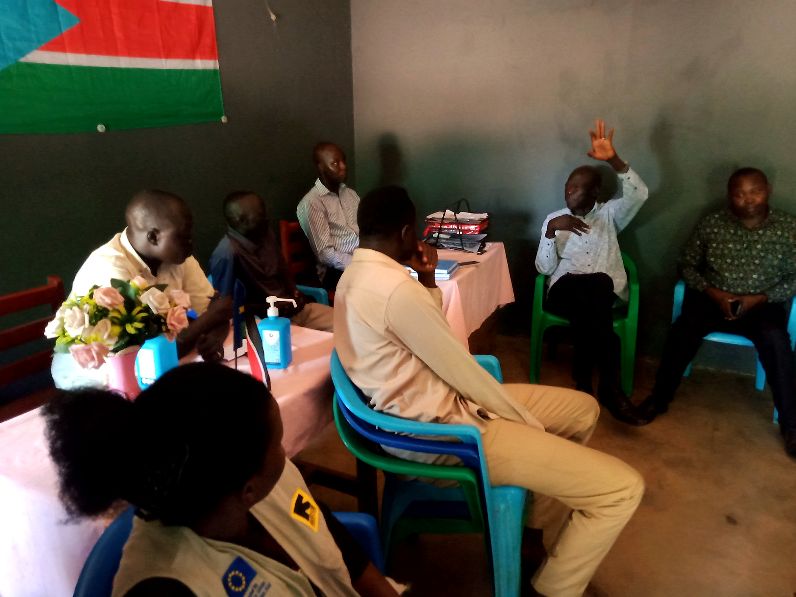
He raised the concerns during a cross-border monitoring committee meeting held on Thursday, November 19, 2026, attended by Ugandan and South Sudanese government officials, security agencies and humanitarian partners.
He urged Uganda’s Office of the Prime Minister (OPM), UNHCR and other humanitarian organisations to address food shortages and delays in issuing individual identification cards to registered refugees.
Francis said some South Sudanese refugees and nationals crossing the border to attend funerals, transport deceased relatives for burial or respond to family emergencies faced difficulties when their identification documents were temporarily collected at border crossing points.
He added that some affected individuals had complained of waiting weeks or even months to recover their documents, making subsequent cross-border movements difficult.
Responding to the concerns, Okello Jimmy, representing UNHCR, attributed the reduction in humanitarian assistance partly to declining international funding, which has affected refugee response programmes globally.
He explained that the World Food Programme (WFP), which provides food assistance, had reduced refugee food rations and introduced a vulnerability-based categorisation system to determine the level of support households receive.
Under the arrangement, refugees are classified into three categories, with the most vulnerable households receiving priority assistance, followed by moderately vulnerable families and those considered closer to self-reliance.
Okello said UNHCR was working with WFP and other development partners to promote food production among refugees by supporting access to land for cultivation.
However, inadequate rainfall during the agricultural season has affected crop production, worsening food insecurity among households that depend on farming to supplement humanitarian assistance.

“Funding is not going to come back as before. Funding is not there everywhere, so we are trying to mobilise resources,” Okello said.
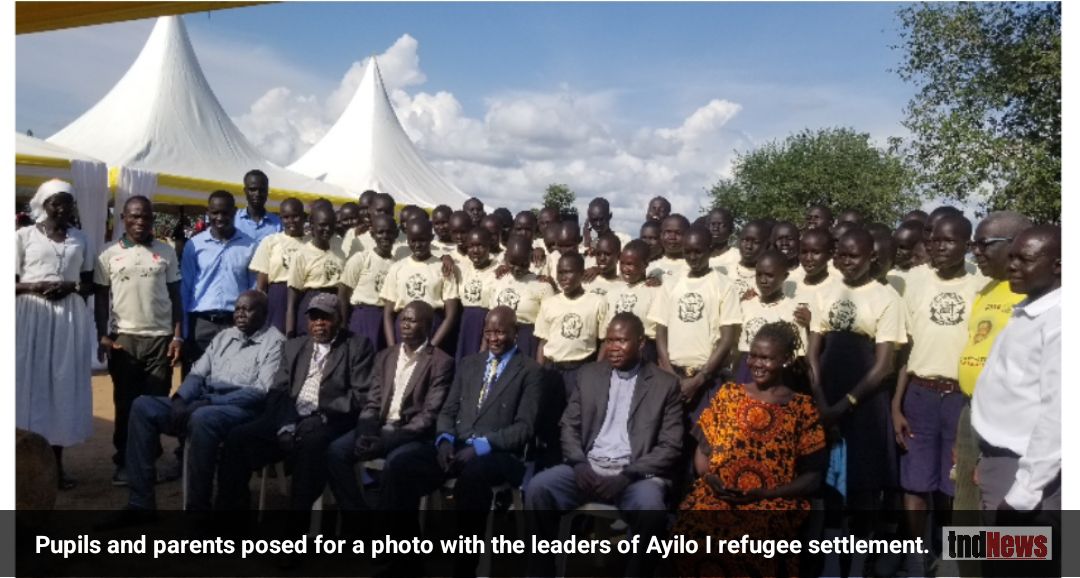
Palabek Refugee Settlement in Lamwo District, northern Uganda, hosts more than 90,000 refugees, the majority of whom fled conflict in South Sudan.
Established in April 2017, the settlement has become a major refuge for displaced South Sudanese, particularly women and children.
Uganda’s 2024 National Population and Housing Census recorded 36,548 people in the settlement. However, the current population is reported to have grown to more than 90,000, increasing demand for food assistance, healthcare, education and other essential services.
The significant difference between the census figure and the reported current population highlights the importance of updated and consistent population data to guide humanitarian planning and resource allocation.
On cross-border movements, Okello said the Office of the Prime Minister was responsible for issuing movement permits to refugees travelling to South Sudan for emergencies, including attending funerals.
He urged refugees intending to cross the border to obtain the necessary authorisation from OPM to avoid difficulties with immigration and security officials.
Regarding delays in issuing individual identification cards, Okello explained that refugee registration initially involves providing family attestations containing details of all household members, while individual identification cards are processed and issued later because of the associated printing costs.
He assured the meeting that efforts were underway to ensure all registered refugees receive individual identification documents.
Okello also said humanitarian partners were prepared to receive and register new asylum seekers following the reopening of the Uganda-South Sudan border.
Lamwo Resident District Commissioner Komakech William said the reopening of the border required stronger coordination between Ugandan and South Sudanese authorities to ensure orderly movement and effective management of asylum seekers.
He emphasised the need for cooperation among security agencies and humanitarian partners to maintain peace, strengthen border management and protect people crossing between the two countries.
Lamwo District LC5 chairperson Oyet Sisto Ocen also called for continued collaboration between the two countries, particularly in addressing challenges affecting communities living along the border.
The cross-border meeting provided a platform for Ugandan and South Sudanese authorities and humanitarian agencies to assess the functionality of the reopened border and strengthen cooperation on humanitarian assistance, security, population movements and service delivery.
Francis’s appeal highlights the continuing humanitarian challenges facing refugees who fled conflict in South Sudan but remain dependent on assistance in Uganda, as declining international funding and poor agricultural conditions place additional pressure on already vulnerable households.
Discover more from tndNews, Uganda
Subscribe to get the latest posts sent to your email.