Mothers in the refugee settlements of Adjumani district have raised deep concern over persistent cultural practices that continue to negatively affect the education and moral upbringing of their children.
The practices, which include the early initiation of boys as young as 14 years into adulthood, are being blamed for promoting immoral behaviours and contributing to school dropouts among young boys.
Amer Dhieu Dau, a concerned mother says such traditional rituals, which were once valued as a rite of passage in their countries of origin, have now become harmful in the current context of life in the settlements.
Many young boys reportedly lose interest in education soon after the initiation ceremonies, perceiving themselves as “men” who no longer need to attend school.
“We are worried as mothers because our boys are being forced into adulthood at a very young age. After initiation, they begin to disrespect us. We are really suffering in the hands of these boys who refuse to go to school and start engaging in immoral activities like drinking and womanising,” said Dhieu, a mother of four living in Ayilo I Refugee Settlement.
According to teachers in several refugee settlement schools, the aftermath of these ceremonies is reflected in reduced school attendance and performance among the affected boys. Some reportedly abandon school completely, claiming they are now “adults” and no longer subject to the authority of teachers or parents.
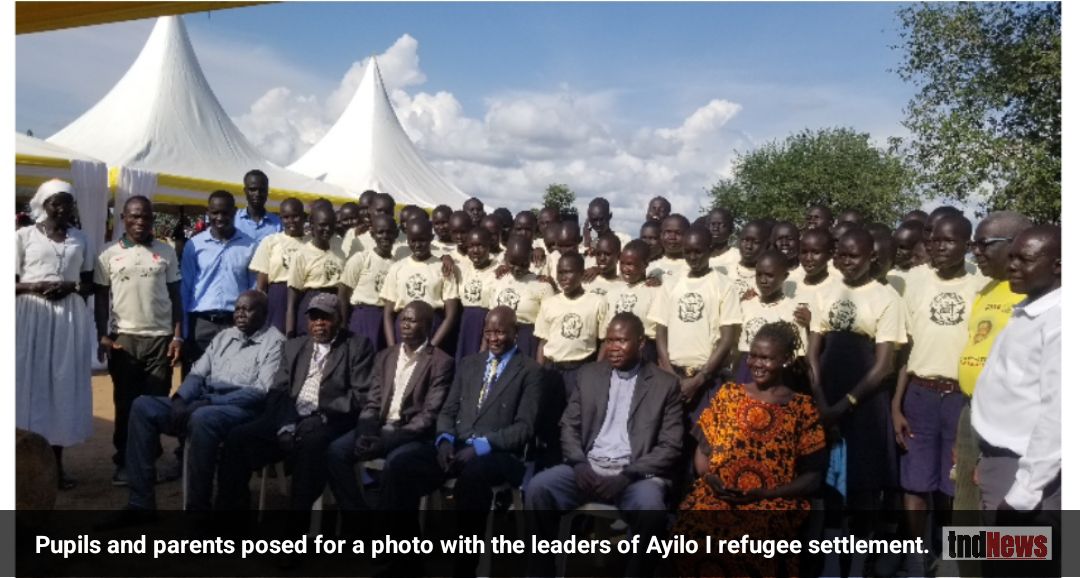
Aluma Ivuson Richard, the headteacher of St. Thereza Nursery and Primary School in Ayilo I Settlement, noted that cultural practices, though important, should evolve to fit the changing world.
“Culture should not destroy the future of our children. We are in an era where education and technology determine survival, not traditional initiation rituals,” he said.
The mothers have appealed to cultural leaders and elders to abandon these harmful practices and instead embrace modern values that promote education and positive behaviours among the youth.
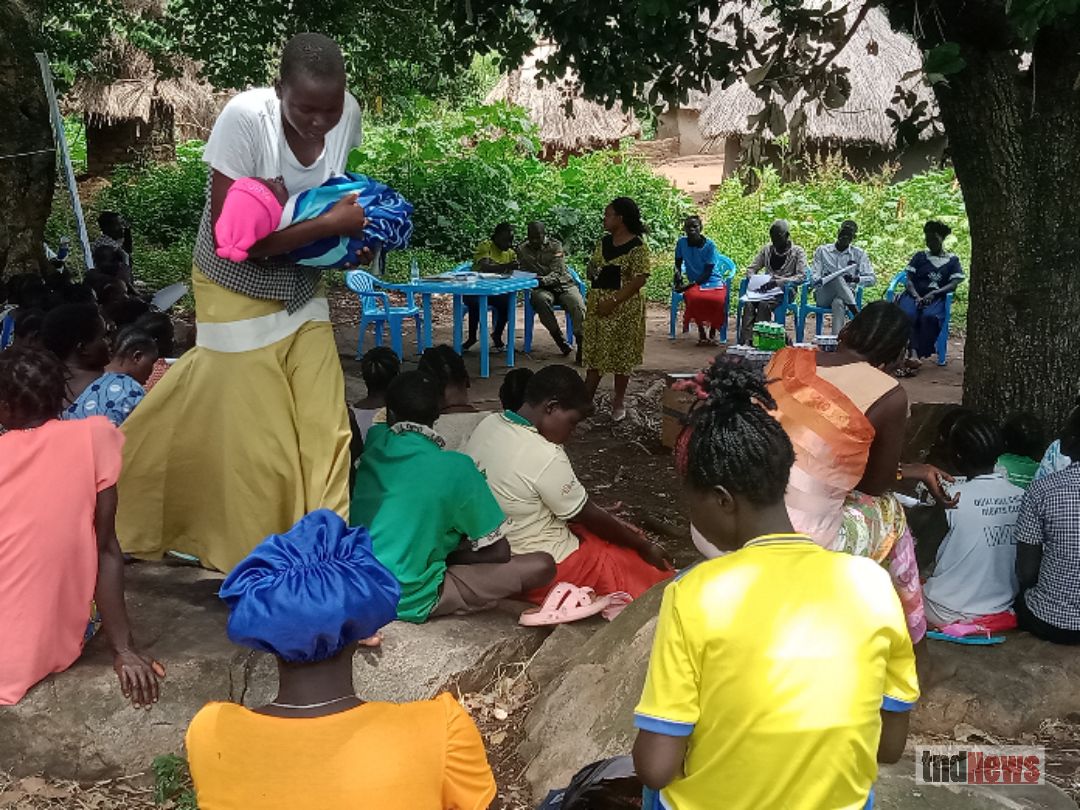
They emphasised the need for awareness campaigns and dialogue between elders, parents, and the young generation to harmonise culture with the demands of modern life.
“As mothers, we are not against culture, but we want our children to be prepared for a better future through education, not through outdated traditions. The world has changed, these days we don’t even need some of this culture thing and we must change with it,” said Mama Alulo, another refugee mother.
The settlement assistant commandant of Adjumani district, Alumbi Albert, has pledged to engage cultural elders and community leaders to address the issue through community dialogues and sensitisation sessions.
He believes that combining respect for culture with education and technology will build a more progressive and morally upright generation.
“As partners, we are trying our level best to talk to these people about the importance of educating our children before bringing in culture, and we shall continue to sensitise them,” said Alumbi.
 The initiation ceremonies, often conducted by community elders, involve teaching the boys traditional values and survival skills meant to prepare them for adulthood.
However, mothers and education leaders argue that in the modern setting, these practices are outdated and detrimental to the social and academic development of the children.
Discover more from tndNews, Uganda
Subscribe to get the latest posts sent to your email.