Lamwo | Childhood is disappearing fast in Palabek Refugee Settlement, where nine out of ten girls are married off before turning 18, according to a new report by the Uganda Human Rights Commission.
Behind the numbers are young girls whose dreams of education and freedom are cut short by poverty, culture, and displacement.
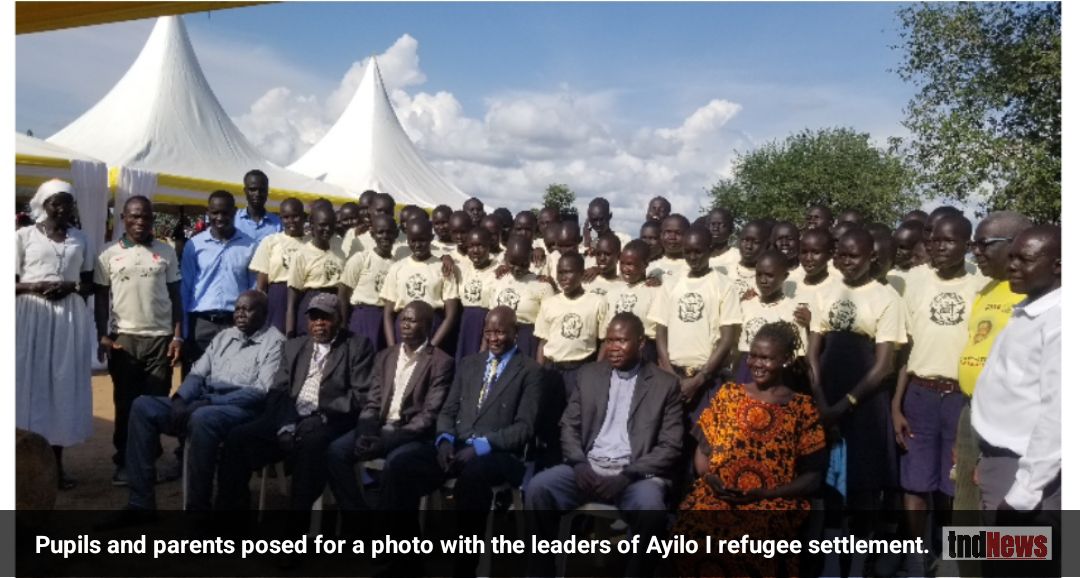
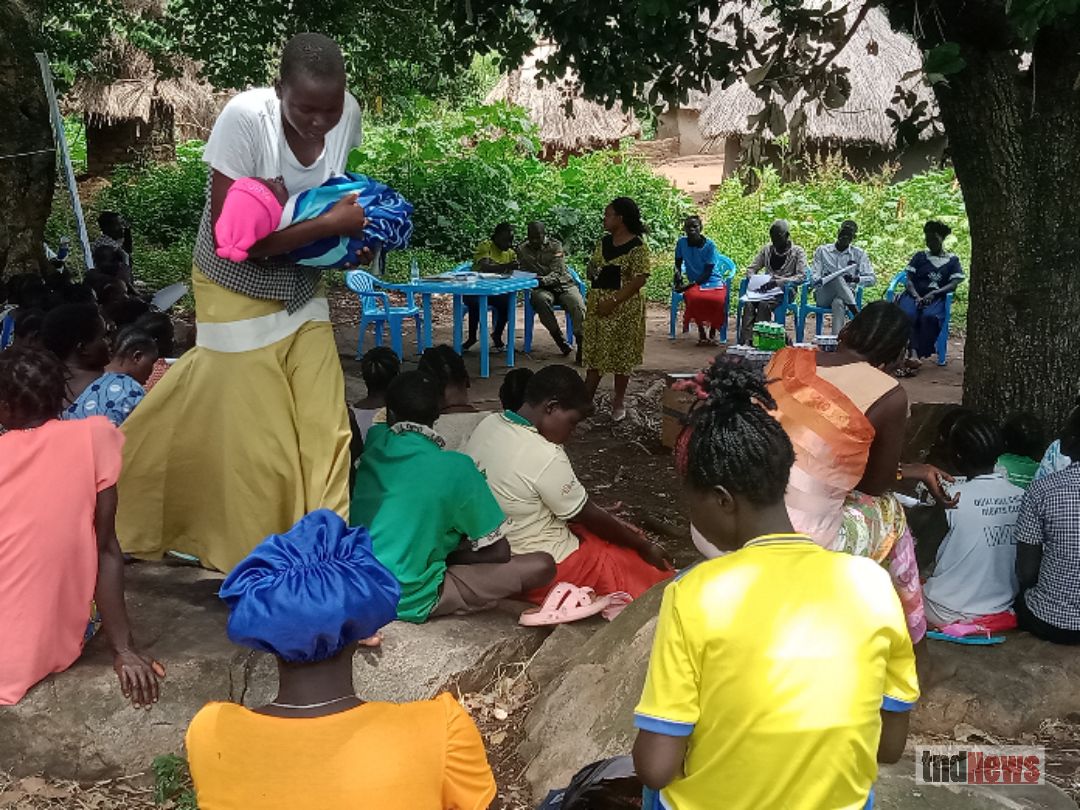
On Monday, the Uganda Human Rights Commission (UHRC) Gulu Regional Office revealed this during a community outreach event in Zone 5A and 5B in Palabek Refugee Settlement, Lamwo.
The outreach was aimed at sensitizing the community on fundamental human rights and addressing pressing social challenges affecting refugees and host communities alike including educating the public about the mandate of the Commission, promoting and protecting the rights of children with special emphasis on the dangers of forced and early child marriages, and raising awareness on the human rights implications of alcoholism, drug abuse, and assault.
Opoka Fiona, the UHRC regional officer, said nine in ten girls are forced into early marriage in Palabek Refugee Settlement, adding that many rights violations stem from a lack of awareness among community members, especially in refugee settlements where poverty, cultural practices, and limited access to information often exacerbate the situation.
Opoka emphasised that child marriage not only violates children’s rights but also undermines their education, health, and future opportunities.
One of the girls, identified as Elisabeth Grace Jum, said that when she turned 15, her parents told her she would marry a man almost twice her age. “They said he would take care of me,” she recalls. “But I wanted to stay in school.”
Grace’s story is common in Palabek Refugee Settlement, where a recent Uganda Human Rights Commission finding shows that 90 per cent of girls have been married off before turning 18.

For families who fled war in South Sudan, early marriage has become an alarming new threat.
Locaun James, the Refugee Welfare Committee II of Zone 5, B, said poverty is the main driver, noting that families dependent on dwindling humanitarian aid often see marriage as a way to reduce the burden of feeding and educating daughters. The bride price, whether in money, food, or cattle, provides short-term relief.
Locaun added that culture also plays a role. “In our tradition, once a girl reaches puberty, she is ready for marriage,” says Locaun. “But in the camp, desperation has made this even worse.”
According to Locaun, education is another factor. Schools are overcrowded, materials are scarce, and long walks expose girls to risks. Without strong support, parents choose marriage instead of schooling.
The impact on girls is devastating. Most drop out of school permanently. Many face early pregnancies, exposing them to life-threatening health complications.
“I had my first child at 16,” says Ladu Mary, now 20 and already a mother of three. “I didn’t know how to care for a baby. Sometimes I feel like I am still a child myself.”
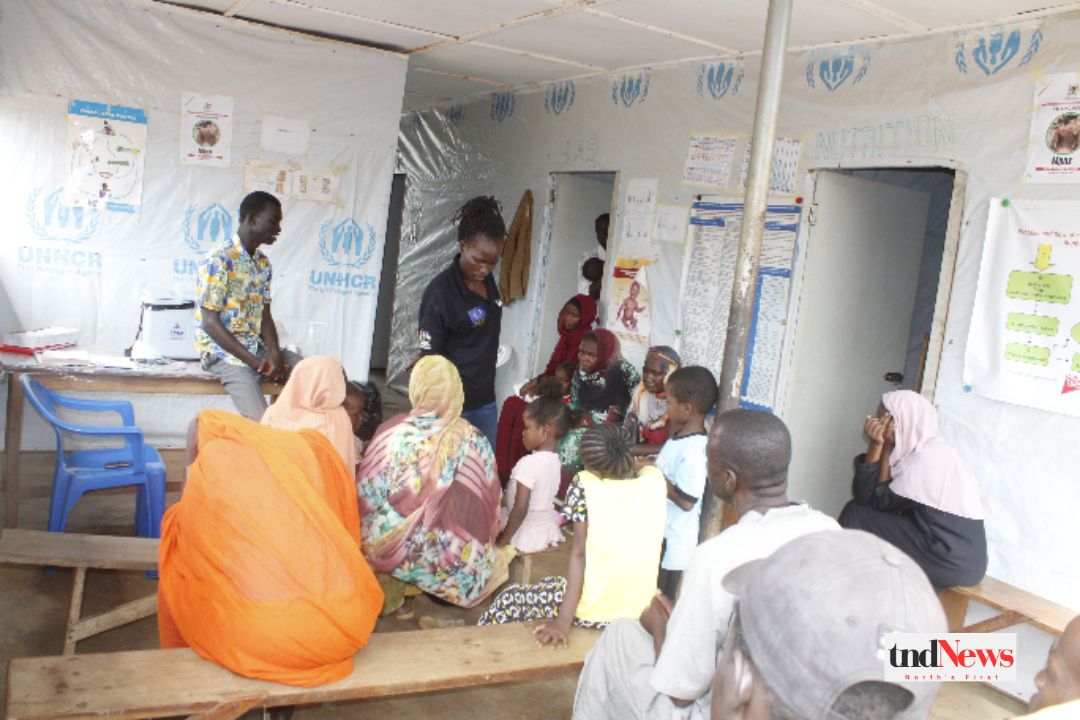
Sister Stella Acan, a health worker in Padibe, confirms that complications during childbirth remain one of the leading causes of death for teenage girls.
Beyond health, child marriage locks girls into cycles of poverty and dependency. They have little say in decisions about their lives, and many face domestic violence.
The statistics are not unique to Palabek. Across Uganda, one in three women aged 20–24 was married before age 18, according to UNICEF. Among refugees from South Sudan, where 52 per cent of girls marry before 1,8, the situation is even worse.
“Early marriage is not just a violation of children’s rights; it entrenches poverty for entire families,” explains Opoka Fiona, a regional officer with the Uganda Human Rights Commission.
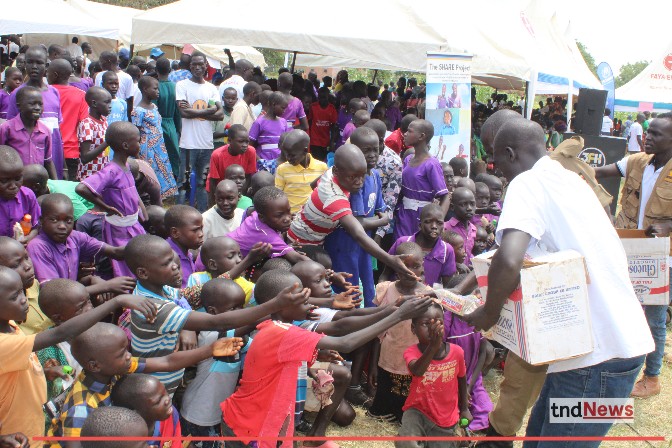
Several organisations are working to reverse the trend. NGOs run awareness campaigns to sensitise parents about the dangers of child marriage, while some provide scholarships and materials to keep girls in school. Safe spaces have also been created where girls can learn skills and share experiences.
Still, resources are limited. With thousands of refugees depending on aid, protection and education for girls often takes a back seat. Community leaders say stronger government intervention and more funding are urgently needed.
The crisis in Palabek shows that escaping war does not guarantee safety for girls. Unless early marriage is urgently addressed, an entire generation risks being trapped in poverty, ill-health, and lost potential.