Gulu | The numbers are stark, and in the first three months of 2026 alone, Gulu City recorded 480 new infections, with a prevalence rate of 9.6 per cent, nearly double the national average of 4.9 per cent; hence, the city finds itself on the frontline of a battle that, despite decades of progress, is far from over.
According to the worrying data, some 22,439 people are now living with HIV in Gulu, and according to the Coalition for Health Promotion and Social Development, women bear the heaviest burden, and among adults aged 30 to 49, 7,725 women are living with HIV compared to 3,825 men.
The coalition further revealed that sex workers aged 25 to 29 remain one of the most affected groups, with 1,534 individuals recorded during the review period.
“Women remain disproportionately affected by HIV across most age groups,” said Florence Amito, speaking at a health reporting training in Gulu.
Amito further revealed that the drivers are familiar but stubborn: key populations including female sex workers, men who have sex with men, people who inject drugs, transgender people and those in prisons face a disproportionately high burden of HIV.
“They carry the epidemic’s weight while navigating stigma, discrimination, violence, and legal barriers that limit their access to prevention and care,” she noted.
Adding that, “adolescents, girls and young women, pregnant and breastfeeding women, mobile and migrant populations, fishing communities, uniformed personnel, people with disabilities and orphans and vulnerable children are also at increased risk.”
In addition, the city data indicate that the city’s HIV hotspots are Buganda Pub, Cuk Pa Oweka, Lacor market and areas along Acholi Road, which are well known to health teams who conduct regular outreach.
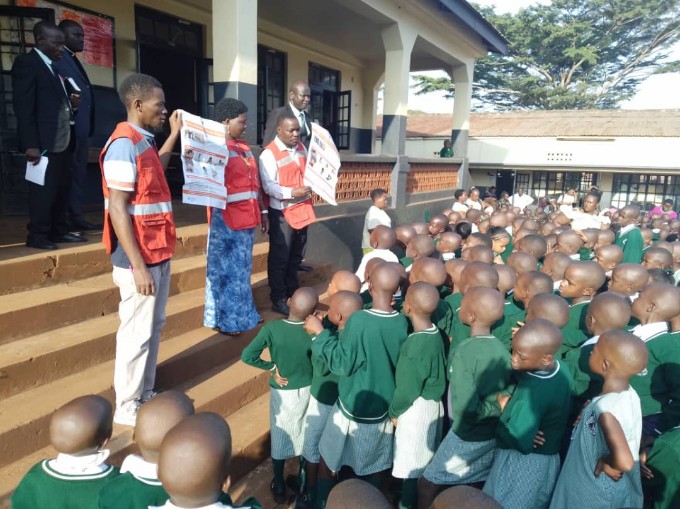
In Gulu, cultural leaders have been mobilised to address harmful practices, with the Uganda AIDS Commission partnering with the Acholi cultural institution to lead community sensitisation.
Christine Olok, the former Gulu City Deputy Mayor, disclosed that the involvement of cultural institutions is crucial because it helps shape values, attitudes and behaviours among the people.
Despite these efforts, new infections persist, and for many, the daily oral PrEP pill, while effective, remains a challenge due to pill burden, stigma, and the difficulty of adherence, which have kept prevention out of reach for those who need it most.
The Lenacapavir revolution
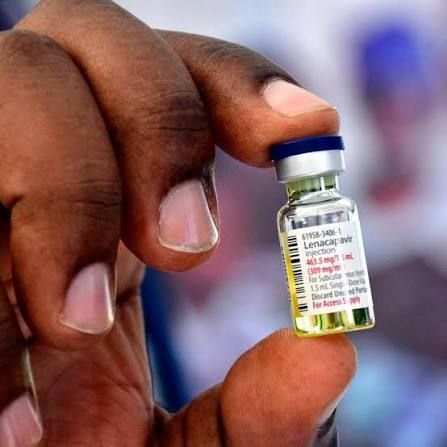
Lenacapavir (LEN) is a long-acting antiretroviral drug belonging to a class called capsid inhibitors; administered by injection just twice a year and every six months, offering protection against HIV without the daily pill.
In clinical trials, the results were nothing short of extraordinary, with the PURPOSE 1 trial, conducted across 25 sites in South Africa and three in Uganda, finding 100 per cent efficacy in preventing HIV among more than 5,300 cisgender women.
Additionally, the PURPOSE 2 trial showed a 96 per cent reduction in HIV incidence among cisgender men, transgender and non-binary individuals.
“This drug is a real game changer, especially for populations that struggle with the daily burden of oral PrEP,” said Dr Flavia Matovu Kiweewa, Uganda’s lead researcher on the Lenacapavir trials.
In July 2025, the World Health Organisation released guidelines recommending Lenacapavir as an additional HIV prevention choice and as part of combination prevention approaches.
The U.S. Food and Drug Administration had approved it for HIV prevention in mid-June 2025, and Uganda’s National Drug Authority has since approved its use.
Therefore, Uganda is lucky to be among the first countries in Sub-Saharan Africa to access the drug, thanks to a landmark deal announced by the Global Fund in July 2025, with the Global Fund’s ambition to have the first shipment reach at least one African country by the end of 2025.
Demand overwhelms supply in Gulu
In Gulu, the appetite for long-acting prevention has already outstripped supply, and in August 2025, Gulu Regional Referral Hospital was among the seven health facilities that began administering injectable PrEP, and the monthly cabotegravir (CAB-LA) injection registered a 300 per cent uptake.
Further, the hospital received 133 doses meant to maintain 19 clients, but due to overwhelming demand, they were administered to 51 clients.
“We surpassed the target that we were given; so the doses that were meant for 19 people, we gave to 51 clients, and that is why right now we do not have the injection around,” said Christine Akwiya, assistant nursing officer at the hospital.
She further revealed that the success was attributed to both facility-based and community–based models, especially peer outreach in hotspots where key populations live.
“We have peer outreach workers, and people have been trained, and they normally have their hotspots where the key populations stay,” Akwiya explained.
Therefore, with Lenacapavir’s even longer dosing interval-just twice a year- the hope is that even more people will be reached, and the hospital has already received additional doses, with all 40 doses received in April 2026 administered, highlighting growing public interest and underscoring the need for additional supplies.
WHO’s simplified testing guidelines
However, a breakthrough drug is only as effective as the systems that deliver it and recognising this, WHO has recommended a public health approach to HIV testing using rapid diagnostic tests to support delivery of long-acting injectable PrEP.
Hence, the simplified testing recommendation removes a major access barrier by eliminating complex, costly procedures and enabling community-based delivery through pharmacies, clinics and telehealth.
In addition, the evidence is compelling and a systematic review of 22 studies involving 15,594 participants found that HIV rapid tests for injectable long-acting PrEP resulted in faster turnaround time and more rapid ART initiation, with fewer delayed or missed injection visits, substantial cost-savings and high acceptability and feasibility with no difference in clinical or social harm.
“To detect one additional HIV case missed by a rapid test, using nucleic acid testing requires testing 5,305 people with an estimated cost of USD 46, 684 (approximately UGX171 million) to USD 451,456 (approximately UGX 1.7 billon) per test,” WHO noted.
Therefore, the message is clear: simplified, low-cost testing is not just practical, but it is essential for scale, and the promise is immense.
UNAIDS Executive Director Winnie Byanyima has called the pricing beyond comprehension, noting that research shows that the drug could be produced for just US$ 40 per person per year and Gilead has signed deals with six generic manufacturers to produce lower-cost versions.
“It is a crucial feature for young women and girls who face stigma, and every infection prevented is a treatment avoided, saving Uganda’s health budget significant resources,” she noted.
She added that “the branded version’s price has been a point of contention, currently estimated at over shs100 million (US$28,000) per person per year.”
Byanyima also cited that there is also the matter of Uganda’s outdated HIV & AIDS Prevention and Control Act, which she argued criminalises having HIV and creates fear that keeps people away from testing.
“When the law makes testing feel dangerous, people stay away from the very services that are meant to help them, and if they do not test, they will not know their status,” she argued.
Lenacapavir offers six months of protection, meaning people at risk of HIV no longer need to take a daily pill, and this convenience reduces pill burden, improves adherence, strengthens continuity of prevention and ultimately lowers new HIV infections.
This story has been produced due to the health media cafe for journalists held in Gulu City by Health Journalist Network.
Discover more from tndNews, Uganda
Subscribe to get the latest posts sent to your email.