For years, residents of Storebor village in Abakadyak parish, Aceba sub-county, spent hours each day walking long distances in search of safe drinking water.
During the dry season, many families depended on unreliable water sources, exposing them to waterborne diseases and consuming valuable time that could otherwise be spent on farming, school or other productive activities.
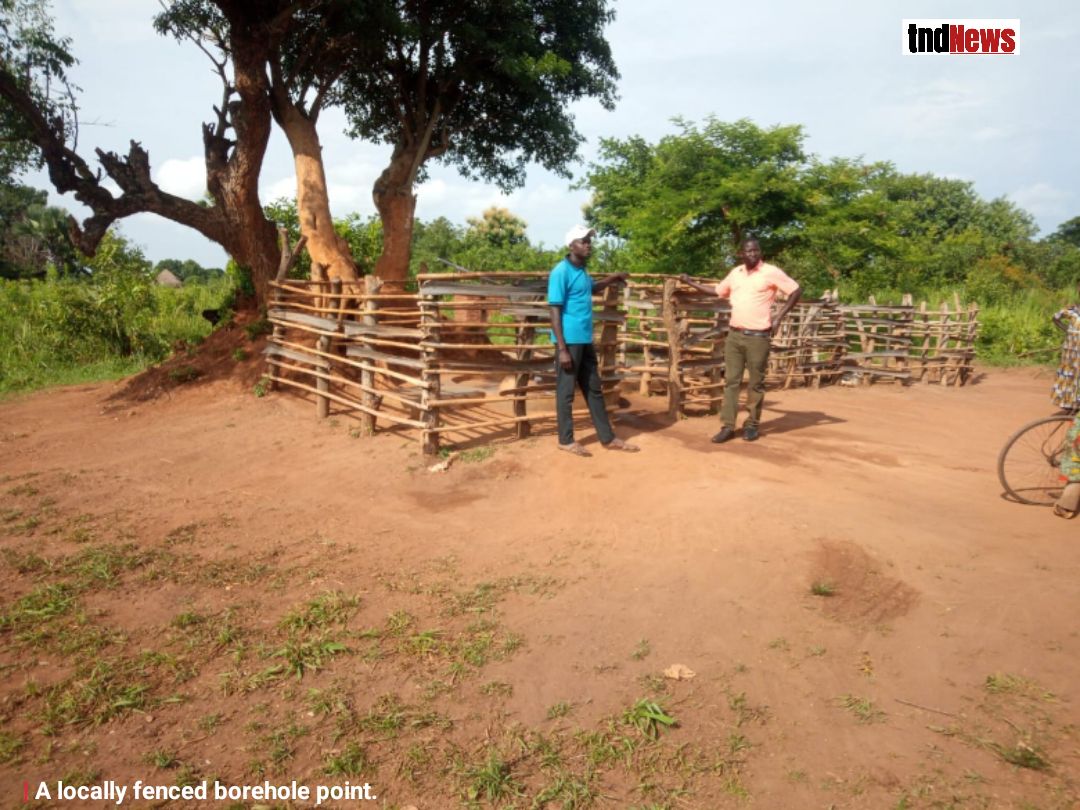
That burden is expected to ease following the commissioning of a new borehole worth shs28 million by Lamwo district local government.
The project is among eight rural water facilities the district plans to construct during the 2025/2026 financial year as part of ongoing efforts to increase access to safe and clean water in underserved communities.
Speaking during the commissioning ceremony, Assistant district water officer Nelson Owili said Lamwo has continued to make significant progress in expanding safe water access, with district-wide coverage now standing at approximately 85 percent.
He said the district remains committed to extending water services to communities that still travel long distances to collect water.
“Our goal is to ensure that every household has access to safe and clean water. We shall continue investing in new water sources so that communities can enjoy better health and improved livelihoods,” Owili said.
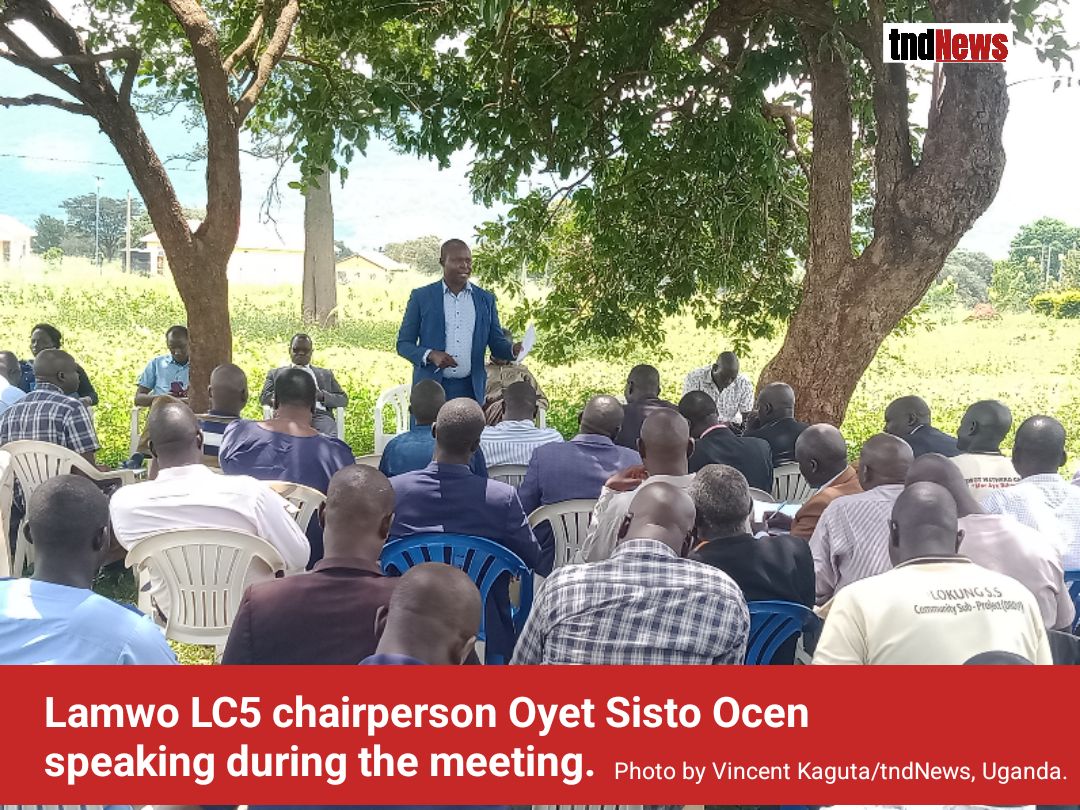
Lamwo district chairperson Oyet Sisto Ocen urged residents to take ownership of the new facility by protecting it from vandalism and ensuring regular maintenance.
“This borehole belongs to the community. The government has played its part by providing the facility, but its sustainability depends on how well the community protects and manages it,” Ocen said.
He encouraged the local Water User Committee to collect modest maintenance contributions and respond quickly whenever repairs are needed.
Deputy Chief Administrative Officer Samuel Jones Laguu reminded residents that access to clean water must go hand in hand with proper sanitation and hygiene.
“Safe water alone is not enough. Every household should have a pit latrine, a drying rack for utensils and a rubbish pit. Good hygiene is the first defence against preventable diseases,” he said.
He added that improved sanitation would help reduce cases of diarrhoea, cholera and other water-related illnesses that continue to affect many rural communities.
Sarah Angee, a mother of five from Storebor village, said women and children previously spent several hours every day walking to distant water sources.
“We used to wake up very early to fetch water before children went to school. Sometimes the water was dirty, but we had no alternative. This borehole has brought relief to our families,” she said.
Another resident, Ojok Peter, said the project would save time and improve household productivity. “Instead of spending hours looking for water, we can now use that time to work in our gardens and support our families. We are grateful, and we shall protect this borehole because it belongs to all of us,” he said.
Local leaders believe the new water source will not only improve access to safe drinking water but also strengthen sanitation, reduce disease outbreaks and improve the quality of life for hundreds of households.
As Lamwo district continues investing in rural water infrastructure, officials say community ownership, regular maintenance and good hygiene practices will be essential to ensuring that such investments deliver lasting benefits for future generations.
Discover more from tndNews, Uganda
Subscribe to get the latest posts sent to your email.