Lamwo | As a new term of local government leadership begins in Lamwo district, residents are looking ahead with hope that their elected leaders will bring improved services, stronger accountability, and tangible development to across the district.
The transition into office was marked by swearing-in ceremonies held across all 19 sub-counties, officially ushering in a new generation of local leaders entrusted with addressing some of the district’s most pressing challenges.
From improving health services and education to expanding access to clean water and better roads, expectations among residents remain high.
Speaking during the swearing-in exercises, Deputy Chief Administrative Officer Samuel Jones Laguu reminded the newly elected leaders that public office is a responsibility to serve people rather than a position of privilege.
He urged LCIII chairpersons, speakers, deputy speakers, and councillors to work closely with technical staff to ensure government programs reach the communities they are intended to benefit.
“Development can only be achieved when leaders work together and remain focused on the needs of the people,” Laguu said. “The political and technical wings must cooperate if we are to improve service delivery and transform our communities.”
Laguu emphasised that government priorities remain centered on agriculture, education, healthcare, road infrastructure, and water services sectors that directly influence the quality of life for residents.
For many communities in Lamwo, where agriculture remains the primary source of livelihood, effective leadership is expected to play a critical role in improving access to extension services, markets, and production support.
Similarly, residents continue to look to local leaders for solutions to challenges affecting schools, health facilities, and rural road networks.
The district official also issued a firm warning against corruption, describing it as one of the greatest barriers to development.
“If we want to see progress in our communities, public resources must be used responsibly and for their intended purposes,” he said. “Citizens deserve transparency and accountability from those entrusted with public office.”
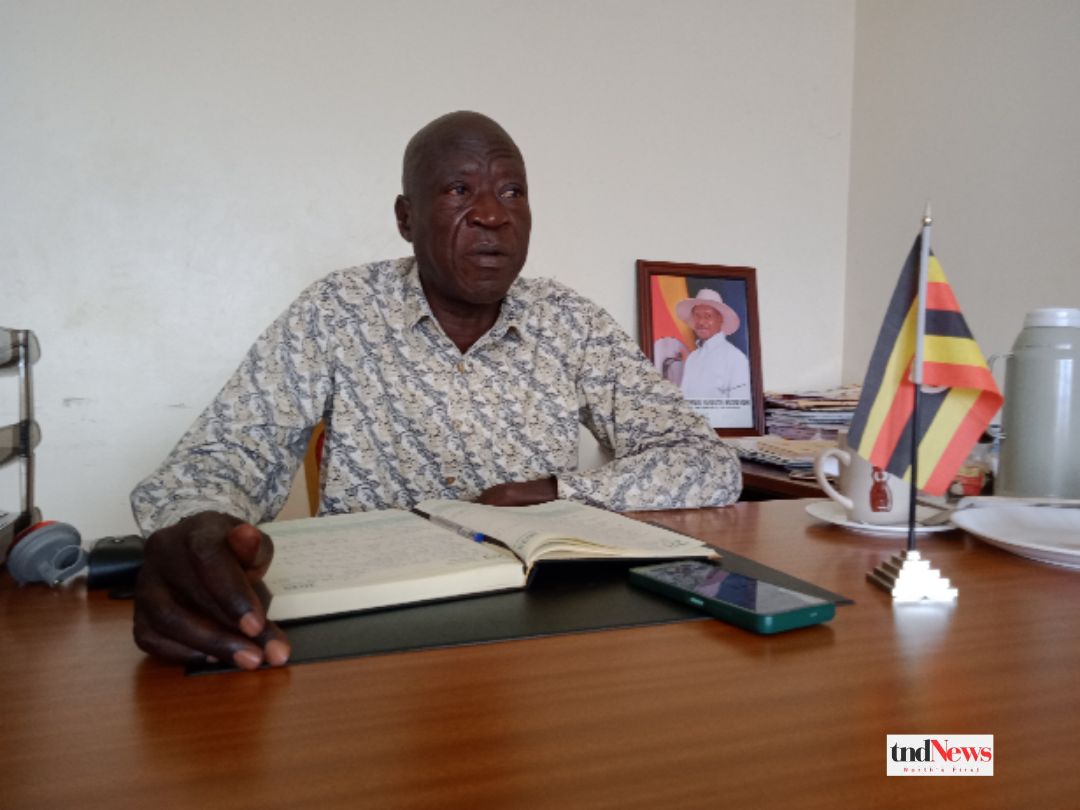
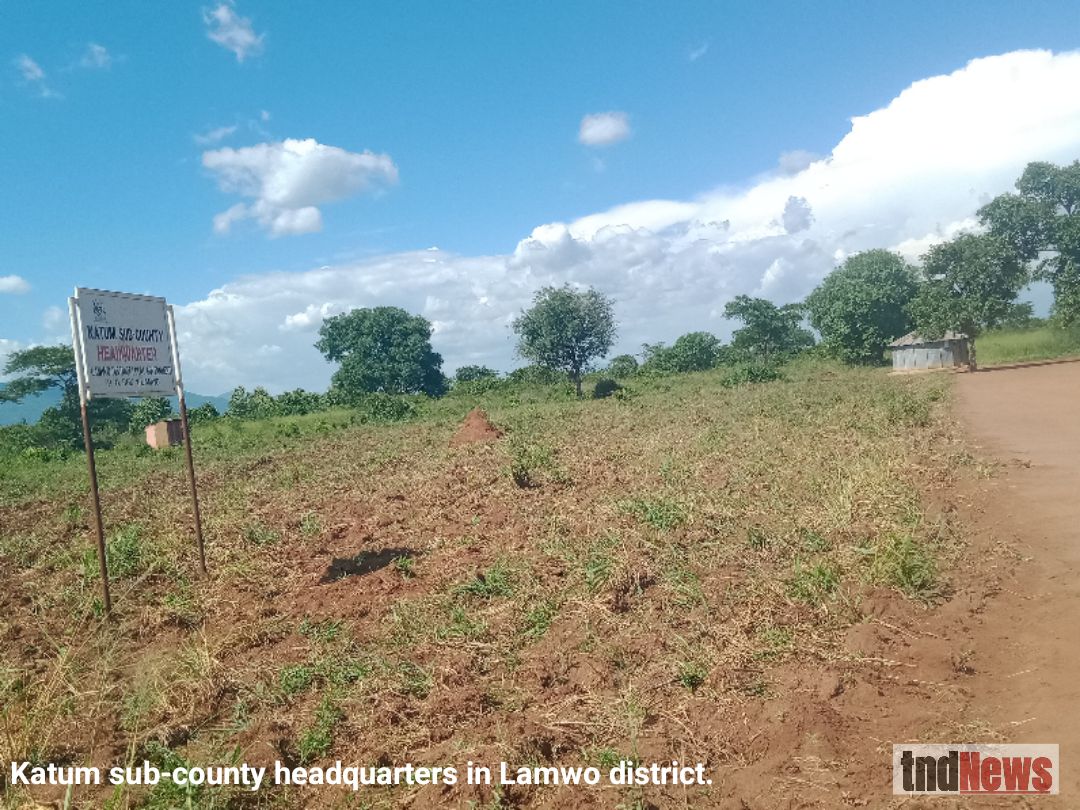
Among the newly sworn-in leaders is Katum sub-county LCIII chairperson Ocen Edward, who wasted no time in forming his executive committee and outlining his vision for the area.
Shortly after assuming office, Ocen announced a team he believes will help strengthen governance and improve service delivery.
The executive committee includes Auma Florence as vice chairperson, Oroma Kelmet as secretary for health, education and community-based services, Komakech Joseph as secretary for general purposes, and Aloyo Concy Immaculate as secretary for finance, planning and administration.
According to Ocen, the appointments were guided by competence, integrity, commitment to public service, and the ability to effectively represent community interests.
“We selected people who understand the needs of the community and who are prepared to work hard for the people of Katum,” he said. “Development requires teamwork, and I believe this team has the capacity to deliver.”
For Florence, her appointment represents an opportunity to deepen community engagement and strengthen communication between leaders and residents.
She pledged to support the implementation of government programs and ensure that the concerns of ordinary citizens remain at the center of decision-making.
“I am committed to working closely with our communities and ensuring that people are involved in development processes,” she said.
Oroma Kelmet, who will oversee health, education, and community services, identified the improvement of schools and health facilities among his immediate priorities.
“Our people deserve better services,” he said. “We shall work with all stakeholders to improve education outcomes, strengthen healthcare delivery, and support vulnerable groups within the community.”
Komakech Joseph, entrusted with coordinating general council affairs, emphasised the importance of accountability and teamwork.
“My responsibility is to support efficient council operations and ensure that matters affecting residents are addressed transparently,” he said. “Good governance begins with cooperation and accountability.”
Meanwhile, Aloyo Concy Immaculate pledged to promote responsible management of public resources and evidence-based planning.
“Every resource entrusted to the council must benefit the people,” she said. “Transparency and proper planning will guide our work.”
Okello James, a farmer from Katum, said he hopes the leaders will prioritize improving roads that connect farmers to markets.
“Many farmers lose income because of poor roads,” he said. “If the new leaders can improve infrastructure and support agriculture, our livelihoods will improve.”
Similarly, Akello Milly, a mother of five, said communities are eager to see improvements in healthcare and education services. “We want medicines in health centers, teachers in schools, and clean water in our villages,” she said. “Those are the things that make a real difference in people’s lives.”
As the new leaders settle into office, expectations remain high. Their success will likely be measured not by promises made during campaigns or inauguration ceremonies, but by their ability to deliver meaningful change in the lives of the people they were elected to serve.
For the people of Lamwo, the beginning of a new leadership term represents more than a political transition; it is a renewed opportunity to advance development, strengthen accountability, and build a better future for communities across the district.
Discover more from tndNews, Uganda
Subscribe to get the latest posts sent to your email.