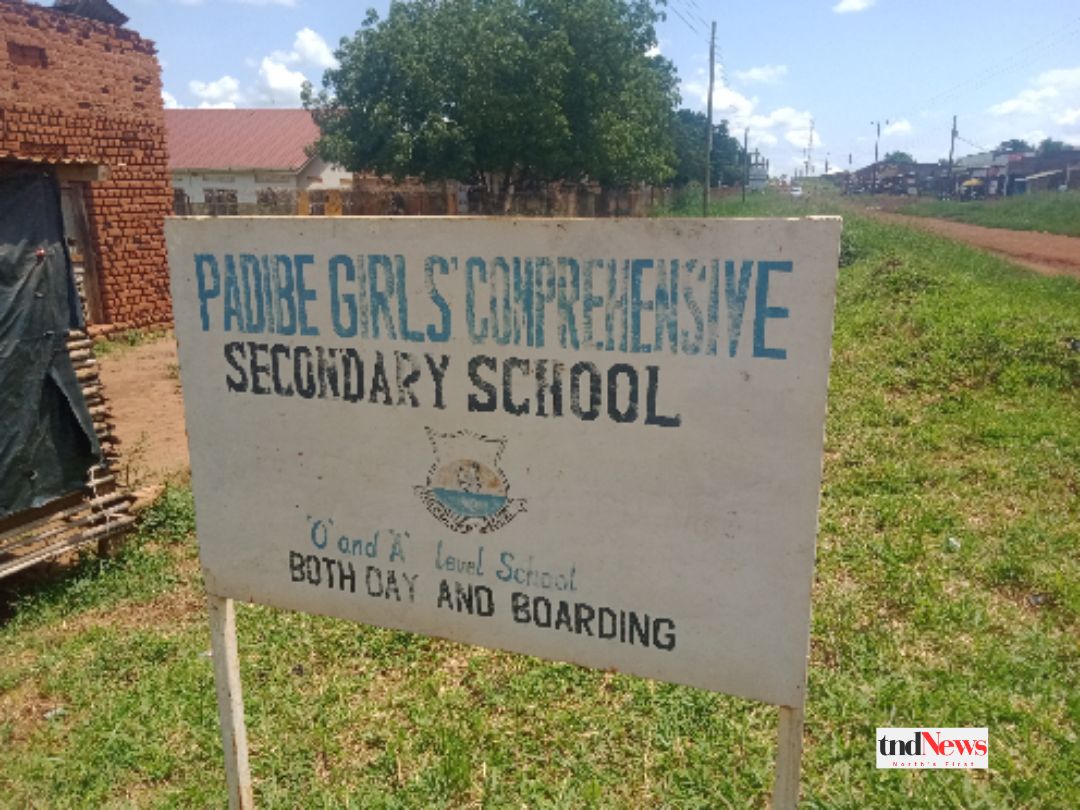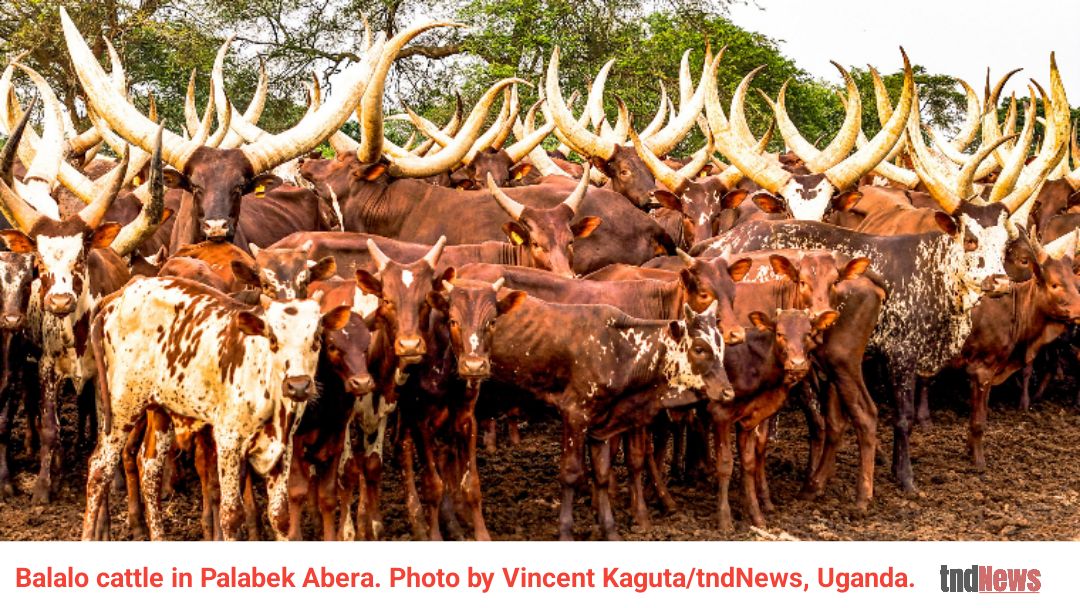
Tension is rising in Palabek Abera sub-county in Lamwo district following reports that 618 heads of cattle belonging to migratory pastoralists, commonly known as Balaalo, have entered the area, intensifying land dispute claims and fears of possible conflict between crop farmers and livestock keepers.
Local leaders confirmed that the cattle were brought into the sub-county on January 27, 2026 when the country was actively participating in the election. The LC III chairperson of Palabek Abera, Okot Patrick, said four kraals have so far been identified in Agula and Agwata Central villages.
“Our preliminary findings indicate that approximately 618 heads of cattle are currently within the sub-county,” Okot said. “We are still establishing the identity of the owners and the legality of the land arrangements under which the animals are being kept.”
Residents say the sudden influx of cattle has disrupted farming activities, with several crop gardens reportedly destroyed. Farmers in Agula village claim that cassava fields and other food crops have been damaged by animals allegedly roaming freely.
A farmer in Agwata Central, who requested anonymity, said the presence of the cattle has created anxiety within the community. “We depend on our gardens for survival. When cattle move through the fields, they destroy everything. We were not consulted before this happened,” the farmer said.
Community members accuse some local landowners of renting out land to the pastoralists without broader consultation. According to residents, this has fueled mistrust and heightened divisions within the sub-county.
“There are people who secretly lease out large portions of land,” said a local elder in Abera Parish. “The rest of the community only realizes what has happened when cattle are already grazing. This creates conflict among us.”
Additional concerns have emerged over reports that certain parcels of land in Abera have recently been surveyed and geographic coordinates taken.
Some residents allege that individuals may be presenting themselves as ordinary farmers while engaging in land acquisition practices that could disadvantage customary landholders.
“We have seen surveyors taking coordinates in some areas,” another resident claimed. “People fear that land is being taken without transparency.”
Okot acknowledged receiving complaints regarding land surveying activities and said investigations are ongoing. He noted that while land transactions are permitted under the law, they must follow proper procedures and respect community rights.
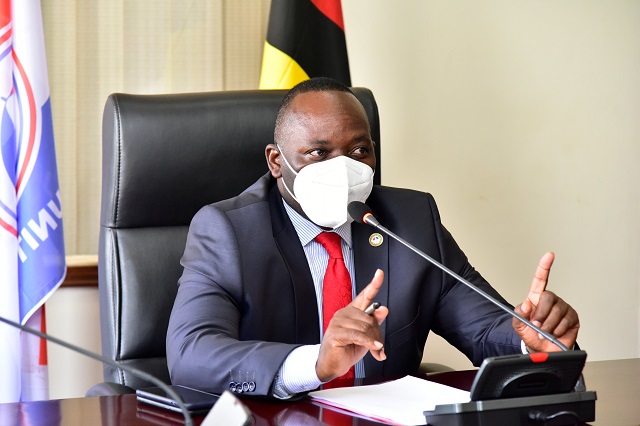
At the district level, the chairperson of the Lamwo District Security Committee, William Komakech, confirmed that security agencies have commenced a fresh operation to evict Balaalo pastoralists from the district.
Speaking during an interview, Komakech said intelligence reports indicate that some herders have been using alternative routes through neighboring districts to access Lamwo despite standing directives barring their settlement.
He alleged that certain individuals illegally acquired land and initially introduced a small number of cattle before gradually increasing the herd sizes. “This is a calculated move to bypass enforcement,” Komakech said. “We are addressing it.”
Komakech emphasized that the actions contravene Presidential Executive Orders issued by Yoweri Museveni directing the eviction of Balaalo pastoralists from northern Uganda districts, including Lamwo. The orders were intended to curb land conflicts, regulate grazing, and safeguard host communities.
“The operation will continue until all illegal occupants and their livestock are removed in line with the directive,” Komakech said. He warned individuals facilitating the resettlement of pastoralists to desist or face legal consequences.
However, some community members have called for dialogue alongside enforcement. A youth leader in Palabek Abera said security measures should be accompanied by community engagement to avoid escalation.
“Security is important, but there should also be communication,” he said. “We do not want violence. We want clear guidance and fair handling of the matter.”
Joyce Oyella, the women councillor of V of Abera the sub-county has expressed concern over food security. He noted that destruction of cassava gardens could have long-term implications for household nutrition and income.
“When crops are destroyed, it affects children and families,” she said. “Authorities should act quickly to protect farmers.”
District authorities maintain that their priority is to safeguard community land rights, maintain public order, and ensure that lawful procedures are followed in land acquisition and livestock management.
As investigations continue and security operations intensify, the situation in Palabek Abera remains under close monitoring, with both leaders and residents calling for a resolution that preserves peace and protects livelihoods.
Discover more from tndNews, Uganda
Subscribe to get the latest posts sent to your email.