As Ugandans woke up for the presentation of the Financial Year 2026/27 national budget on June 11, the government has outlined an ambitious roadmap aimed at accelerating economic transformation and strengthening inclusive growth.
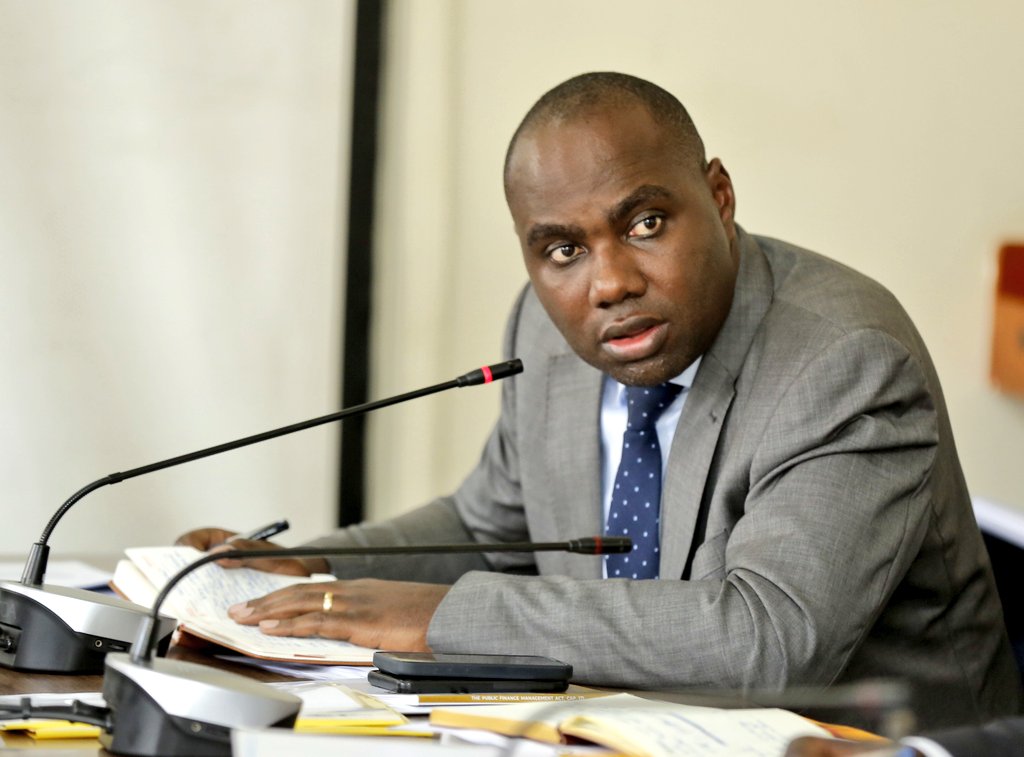
According to the budget background released ahead of the reading by Finance Minister Henry Musasizi, 2026/27 is expected to mark several historic milestones for the country.
Among the key highlights is Uganda’s anticipated confirmation in March 2027 of graduation from the category of Least Developed Countries (LDC), becoming a major achievement more than six decades after independence in 1962.
The government says the transition reflects national resilience and is expected to improve investor confidence, reduce sovereign risk and attract premium international capital.
The period is also projected to usher Uganda into the league of oil-producing nations with First Oil expected during the first half of FY 2026/27, following 17 years of planning and investment across multiple sectors.
The government further says the budget prioritises inclusive economic growth through strengthened last-mile delivery of public services under the Parish Development Model (PDM).
Uganda says that the FY 2026/27 budget is structured to shift Uganda from incremental growth to productivity-driven transformation.
 As part of this strategy, the government targets reducing households dependent on subsistence livelihoods from the current 33 percent to 28.5 percent by FY 2026/27.
The above will be achieved through agricultural commercialisation, expansion of micro, small and medium enterprises (MSMEs), and scaling up implementation of the Parish Development Model.
Discover more from tndNews, Uganda
Subscribe to get the latest posts sent to your email.