Every morning across Uganda, the roads come alive long before sunrise. Buses pull out of taxi parks in Kampala, lorries rumble along the highways toward the north and west, and boda bodas weave through traffic carrying workers, students, and traders.
It is a daily routine repeated across the country. Yet behind this ordinary movement lies a sobering truth: our roads have increasingly become places of loss.
According to reports from the Uganda Police Force, Uganda records tens of thousands of road crashes every year. Recent traffic reports indicate that more than 25,000 accidents occur annually, claiming over 5,000 lives and leaving many others injured.
In practical terms, this means that every day several families somewhere in the country receive news that a loved one has died on the road.
Whenever such tragedies occur, the explanations are usually familiar. Drivers were speeding. Someone was drunk. A reckless overtaking manoeuvre went wrong. The road was in poor condition. These explanations are not wrong. Indiscipline on the road remains one of the leading causes of accidents in the country.
But there is another dimension of road safety that receives very little attention in public discussions: the health of the driver.
Driving requires constant alertness and control. A moment of lost consciousness, even for a few seconds, can turn a moving vehicle into a deadly object. For this reason, many countries treat the medical fitness of drivers as a serious part of road safety policy.
One condition that raises difficult questions is Epilepsy.
Epilepsy is a neurological disorder that causes recurrent seizures. During a seizure, a person may lose awareness, collapse, or experience uncontrolled movements. If such an episode occurs while someone is behind the wheel, the consequences can be devastating.
Medical research within the field of Neurology shows that people with epilepsy face a higher risk of being involved in serious road accidents than the general population.
This does not mean that all people living with epilepsy are dangerous drivers. Many patients live normal lives and remain seizure-free for years with proper treatment. The difficulty lies in the unpredictability of the condition.
In some cases recorded internationally, drivers experienced their first seizure while already driving. In such situations, the driver may have had no prior warning that they were at risk.
This reality presents a challenge for policymakers everywhere, including Uganda.
Uganda already has laws governing road safety. The Traffic and Road Safety Act provides the legal framework for licensing drivers, regulating vehicles, and enforcing traffic rules. Among its provisions is the requirement that drivers must be medically fit before they are allowed to operate vehicles.
On paper, this requirement appears sufficient. In practice, however, the situation is less reassuring.
Medical examinations during the licensing process are often brief and largely procedural. In many cases, a certificate of medical fitness is obtained without a detailed assessment. As a result, conditions that could affect safe driving may go unnoticed.
This is not simply a problem of individuals. It reflects a broader gap between the laws we have and the way they are implemented.
Road safety campaigns in Uganda understandably focus on speeding, reckless driving, and alcohol consumption. These are indeed major causes of accidents. Yet the health dimension of driving remains largely absent from public discussion.
There is also little coordination between the health sector and the authorities responsible for driver licensing. Hospitals may treat patients with neurological conditions, while licensing offices issue driving permits, but the two systems rarely interact.
The result is a silent gap in our road safety framework.
At the same time, this issue must be approached with caution. People living with epilepsy are citizens with the same rights as anyone else. Many hold jobs, support families, and contribute meaningfully to society. A blanket ban on driving could unfairly isolate them and limit their ability to earn a living.
Other countries have tried to address this challenge by adopting balanced approaches. Instead of outright prohibitions, they allow individuals with epilepsy to drive after remaining seizure-free for a medically determined period and after receiving certification from qualified doctors. Regular medical reviews are then required.
Such systems recognise an important reality: epilepsy is not the same in every patient. Some people experience frequent seizures, while others may go for years without a single episode.
For Uganda, the conversation should not be about punishment or exclusion. It should be about strengthening the systems that protect everyone on the road.
Improving medical screening during driver licensing would be a good starting point. Clear national guidelines on medical fitness for driving would also help doctors and licensing authorities make informed decisions.
Public awareness campaigns could further educate drivers about the importance of seeking medical advice when health conditions arise.
Ultimately, safer roads require more than stricter traffic penalties. They require attention to all the factors that affect driving, including the health of those behind the wheel.
The driver who loses consciousness while driving is not only a potential danger to others; he or she is also a victim of a system that failed to recognise a risk in time. Addressing that reality requires honesty, careful policy, and a willingness to confront uncomfortable questions.
Uganda’s road safety debate has long focused on reckless driving and enforcement. Those issues remain important. But if we are serious about reducing the growing number of road deaths, we must also begin to examine the quieter risks that travel with us every day on our highways.
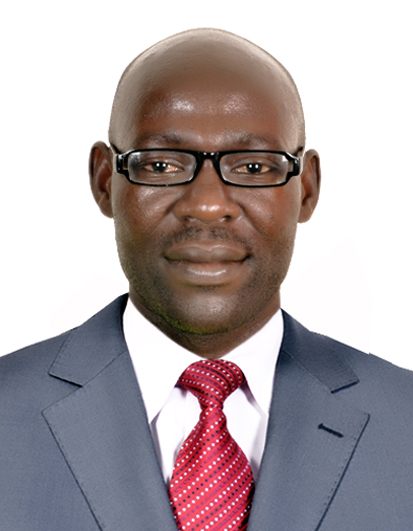
Moses Wawah Onapa is a senior educationist and a social commentator | Email: Moses4christ2012@gmail.com
Discover more from tndNews, Uganda
Subscribe to get the latest posts sent to your email.