In Uganda’s vibrant media landscape – stretching from the crackling airwaves of rural FM stations, buzzing newspapers to the high-velocity debates ignited by influencers on social media – a dangerous transformation is taking root.
In between the echoes, a journalist is transitioning from an observer to a partisan combatant. While the urge to “join the struggle” or “defend the establishment” is understandable in a nation defined by high-stakes politics, there is a steep price to pay.
The moment a journalist picks up a party banner, they drop their most valuable asset: their credibility. In doing so, they cease to be reporters and become a camouflaged campaign agent.
The erosion of the fourth estate
Aristotle famously noted that “man is a political animal,” and journalists are no exception. However, when the profession pivots toward partisanship, the primary victim is the truth.
In the Ugandan context, this manifests as selective outrage, the deliberate suppression of dissenting views, and the adoption of inflammatory rhetoric that belongs on a campaign podium rather than a news desk.
While a mason, fisherman, or trader may hold biased views, their reach is localised. Conversely, a journalist on a local FM station wields immense power. According to 2024 IPSOS data, radio remains the primary source of information for over 70% of Ugandans.
When a journalist uses this platform to push a narrow political agenda, they aren’t just sharing an opinion; they are distorting the reality of millions.
The corrosive consequences of bias
This “political activist journalism” triggers three specific crises for Ugandan democracy:
Deepened Polarisation: Instead of acting as a bridge for national dialogue, partisan media becomes a megaphone for existing biases. This pushes citizens into an “us versus them” mentality that persists long after the election is over.
When media houses act as echo chambers, legitimate criticism of government failure is dismissed by supporters as a political hit job, while genuine progress is ignored by the opposition as propaganda.
The Devaluation of Accountability: When a reporter is viewed as a political operative, even their most rigorous investigations lose their sting. The Edelman Trust Barometer highlights that once the public perceives a hidden hand behind the news, trust evaporates.
In Uganda, the “Edelman in the journalist” is often weighed in currency & speculation about how much a media house was paid (if not tagged as paid) to run a story replaces discussion about the story itself.
Physical Vulnerability: Partisanship paints a target on the backs of the press. When we are perceived as political actors, we lose the “press immunity” that should protect us during civil unrest.
During the recent 2026 election, many journalists were targeted (Reporters Without Borders, 2026) because they were no longer seen as neutral observers, but as extensions of the political parties they defended.
A roadmap to reform
Restoring trust is not about being “neutral” in the face of injustice; it is about being objective in the pursuit of facts which vacuum has given rise to online commentators who have total disregard for journalistic principles.
Radical Transparency: A journalist who carries a party banner is merely a campaigner with access to a microphone. To protect our safety and our profession, we must drop the flags and pick up the facts. Only then can we provide the light Uganda needs, rather than just fanning the flames.
Verification over velocity: In the race to be first on X (formerly Twitter) or TikTok, journalists have sacrificed the “two-source rule.” Rebuilding trust requires a return to verified news. Let the politicians tweet; let the journalists confirm.
Politicians are notorious for deleting posts once they sense a public uproar; a journalist’s record, however, should be permanent and accurate.
Diversifying the narrative: We must move beyond the “Kampala bubble.” Trust is built when citizens see their actual lives reflected, not just the current public friction of political elites trending on news headlines. This means a renewed focus on policy, accountability, healthcare, agriculture, education, social welfare & local commerce among others
We ought to step to the once high grounds of independent, rigorous reporting for an accountable independent media.
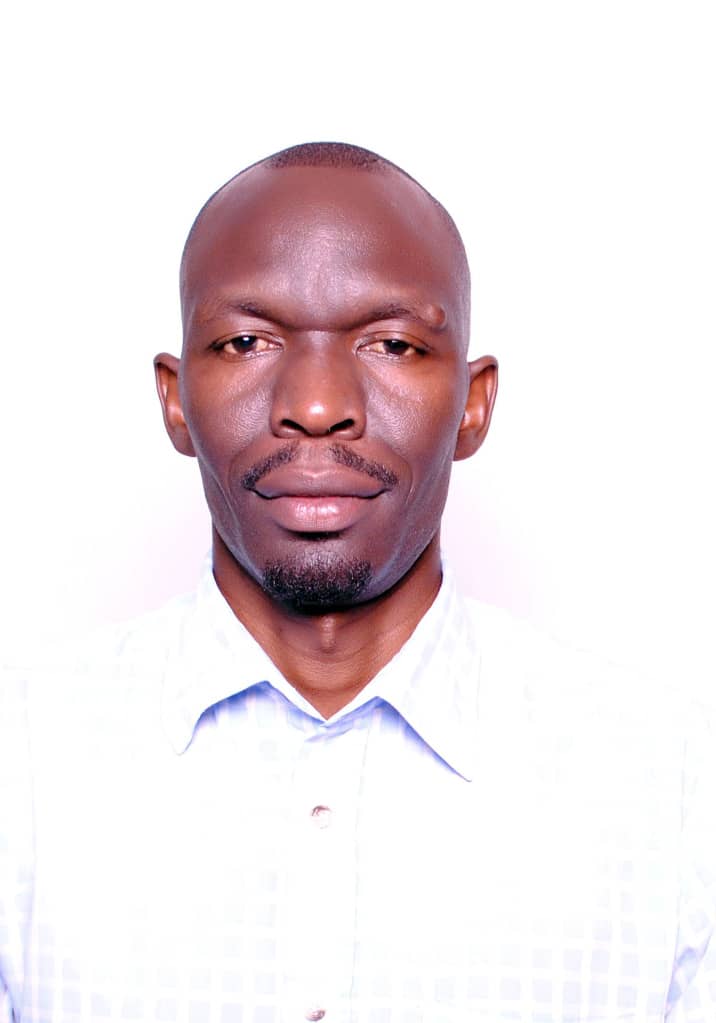
Omara R. Ronnie is an Administrator, Media Trainer & Journalist.
Discover more from tndNews, Uganda
Subscribe to get the latest posts sent to your email.