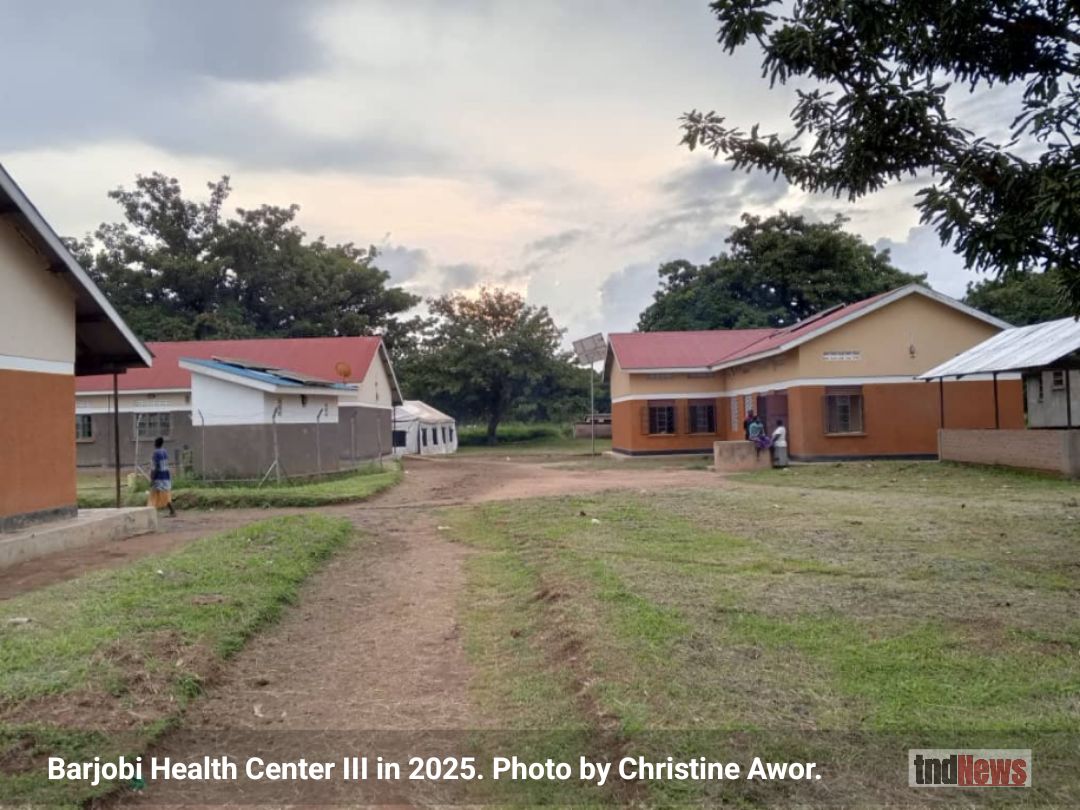
In Otuke District, Northern Uganda, safe spaces known as Youth and adolescent Friendly Corners (YFCs) have quietly transformed the lives of teenagers. Rolled out in 15 health facilities in the district like Barjobi and Atangwat Health Centre III, the interventions have provided teenagers with much-needed sexual and reproductive health (SRH) services in an environment where they are away from judgment and stigma.
National statistics from the Ministry of Health indicate that nearly four in ten young people aged 15–24 report avoiding health facilities because they fear their privacy and confidentiality won’t be respected.
According to the survey carried out by Uganda National Council for Science and Technology (UNCST), the youth corners in Uganda were established under the Health Sector Strategic Plan III for the period 2010/11–2014/15, and therefore, some of them have been in operation since 2011.
But with donor funding phasing out, their fate is uncertain.
Safe havens for youth
Young people find much more than healthcare at Barjobi Health Centre III, they’ve found safety and belonging. Run by health workers and financed by the Joint Clinical Research Centre (JCRC) under USAID, the YFS has offered counselling, HIV and STI testing, family planning, and antenatal care for adolescent mothers.
The Ministry of Health initiated the program to ensure facilities become more youth-friendly for adolescents and youths,” explained Okwir Jasper, a Health Assistant who is also the peer educator at Barjobi. “We want young people to feel free whenever they come to us for care.”
The adolescent and YFC also includes games and recreational activities such as Omweso, Ludo, chess, and reading materials. These games and materials keep the youths engaged and allow them to interact with each other while waiting for services. “They entertain them, but they also share stories and encourage each other,” Jasper said.
Peer education is another pillar. Adolescents living with HIV often discuss treatment adherence, encouraging others. Their staff dress informally and use local slang to cut through barriers. Speaking in the language they identify with is important in establishing trust.
“Most Ugandans are young,” said Jasper. “We need to capture this dynamic and offer sufficient care.”
According to the United Nations Population Fund (UNFPA), Uganda remains a young nation with over half of the population (50.5 percent) comprising children under the age of 17. The youth population (18 – 30 years) represents 22.7 percent of the population, showing the country’s demographic dividend and the need for targeted youth-specific policies.
Adar David Raphael, the in-charge officer at Barjobi Health Centre III, recalled how the programme offered a safeguarding environment. “On a Wednesday, you would have 30 or more teenagers here, especially during the dry season when farming was not so difficult. They came because they felt at home in this environment.”
Some of those young people, Akello Sylvia, 16, Amongi Norata, 17, Ojuka Philip, 19 shared the most inspirational transformation stories.
A refuge for teenagers and young people under threat
At 18, Innocent Omara walks through the dusty lanes of Atangwat village with the confidence of someone who has found his position in the world. But it was not always so. A few years ago, he often felt suffocated by stresses that face most young people in his community, friends compelling him into drinking, wild lifestyles, and choices that could have very easily stolen his future.
“I was afraid that I would end up like some of my friends,” Innocent admitted, his voice steady but reflective. “There were moments when I felt trapped, like I could not get the guts to say no.”
The turning point came when he joined the Youth-Friendly Centre (YFC). What began as a search for a place to escape the noise of peer pressure soon became a journey of self-discovery. The mentorship sessions, coupled with lively football matches and group discussions, gave him not just an outlet but a new sense of belonging. “The YFC showed me I’m not alone,” he said, a smile breaking across his face.
Through these activities, Innocent found role models who reminded him that resilience was achievable, and dreams could be bigger than the boundaries of his village. Slowly, he began to develop a new vision for his life. Today, he has dreams of becoming an agricultural entrepreneur, destined to transform not only his own life, but also to inspire other youths.
“Farming is what sustains all of us,” he said passionately. “If I succeed at it, I’ll be able to employ other individuals and give young people opportunities so that they don’t have to fall into the same mistakes I almost made.”
Innocent’s experience will soon cease to exist. The specialised service that once was guaranteed is now being combined with general services as the major funder and donor, USAID, withdrew.
Previously, Wednesdays were booked for YFC clinics. Services offered were HIV testing and counselling, antenatal care, peer education, condom distribution, and family planning services such as Sayana Press and Depo-Provera. The focus was on reaching adolescents between 15 and 18 years old, who are most affected by teenage pregnancy.
“All health centers are supposed to integrate,” Adar said. “There will no longer be individual clinics for youth. Services will be provided at the same point with regular clients.”
Even though integration is supposed to facilitate care, Adar fears that it will compromise confidence. “When they are separated, they are comfortable. Merging them with the general clients may drive them back into hiding but now the funder is pulled back.”
Donor funding through USAID has phased out, and services are being integrated into normal health systems. Health workers are concerned that safe, confidential space that made the programme successful might be lost.
Uganda boasts one of the highest teenage pregnancy rates in East Africa at around 25% year after year since 2016 (UNICEF Uganda). In 2020 alone, over 354,000 teenage pregnancies were reported, with the Lango sub-region among those worst affected. (UNFPA Uganda).
According to The Northern Daily (tndNews, Uganda), in 2023, the Lango sub-region registered 7,398 teenage pregnancies within three months, in Otuke District, however, the figures reflect a sharp decline: 455 cases were recorded compared to 1,363 cases between January and July 2021. While the figures are still alarming, district leaders say the downtrend reflects consistent sensitization of populations, enhanced school–health partnerships, and the participation of youth-friendly services in reaching out to adolescents.
At Atangwat Health Centre III, In-Charge Peter Awio estimates they serve between 100 and 200 adolescents every month. Services range from family planning and HIV testing to stress counselling and nutrition but it kept on dropping every month due to the withdrawal of the donor.
“These services have been crucial,” Awio said. “We’ve trained peer educators, worked with parents and leaders, and reached thousands of youth annually.”
But issues persist. Misconceptions and cultural attitudes still get in the way of uptake. “Some parents feel it’s premature to introduce teens to these services,” he admitted. “But empowering young people protects their futures.”
With donor withdrawal, Awio fears losses will be made. “The YFC gave youth confidence. If services are integrated fully, special focus will be lost.”
For Molly Akello, 38, a peer educator working for Joint Clinical Research Center (JCRC) at the clinics, the YFC is not merely a workplace it’s a vocation.
“I had seen young people suffer in silence when I was growing up,” she explained. “When I became a peer educator, I wanted to be the one they trusted.”
Molly has taken her work from clinics to schools, markets, and churches. Molly helps youths overcome stigma, teaching them safe behaviors and HIV testing.
Her most memorable experience is the case of a 17-year-old male who was HIV-positive and had very low viral load. “He had lost hope. With the YFC, we counselled him, referred him to treatment, and he slowly became healthy. Now, he’s a role model and has impacted other youth and adolescents to use these services. We receive a total of 100-250 youths and adolescents every month.”
But Molly is worried about the programme’s survival. “If these services are cut, what do young people like him do? The YFC is not a project, it’s a lifeline.”
Local leaders voice their opinion
Local leaders, too, have noticed the shift.
Omar Jasper, 32, is from Atangwat and has witnessed firsthand the transformation caused by the adolescent and Youth Friendly Corners (YFC). The most striking change has been in young people’s attitude.
There’s been more acceptance over time,” he said, noting how the once-stigmatized idea of young people receiving reproductive health services has been increasingly normalized in his neighborhood. “The YFC has empowered young people with information—not just on HIV and family planning but also on their rights, on their self-esteem, and on their future.”.
Nevertheless, while such progress is noted, Jasper is seriously concerned about sustainability.
“But without secure funding, we might lose this momentum,” he cautioned. “We’ve had donors come and go. The community wonders each time what’s going to happen next. If these services were to vanish, it would be ten steps backward.”
The solution to sustainability, in his view, is ownership. “This is not just a project—it’s the life of our youth. The government, leaders in the community, and even the community at large have to step in. Otherwise, the experience and confidence that have been gained among our youth can become brittle at any time.”
Joel Obong, who is the chairperson of LC1 for Barjobi, has seen firsthand what Youth Friendly Corners have done for his community. He explained that it affects far more than health outcomes and extends into family social life.
“Fewer kids have been dropping out of school and parents and children have been more open in speaking with each other,” he said, adding that the program has cracked the silence that has surrounded adolescent health concerns. “Parents who used to avoid discussing reproductive health now freely discuss it with their children. It has reduced misunderstanding and encouraged young people to make informed decisions.”
The next move for Joel is making everything inclusive. “We need to expand access, especially in distant villages where teenagers still walk miles to reach health centers,” he said. “If these programs are not decentralized, then the most vulnerable adolescents—those deep in the rural periphery—will continue to be left behind. We need to bring the YFC model closer to them.”
For Joel, grass-roots leaders must be more active in ending donor-funded projects and handing over the baton to community-led initiatives by locals.
Parents open up to change
Many parents in Otuke who were initially skeptical of YFCs, believing they encouraged immorality, have now become converts. Grace Akello, 45, from Barjobi, said, “At first, people didn’t understand. But now, most parents appreciate the services. Teenage pregnancies have reduced, and girls are going to school in large numbers, my children too, I am happy.”
Still, stigma exists. Grace hopes for more community engagement to change attitudes.
Sarah Akello, 43, from Atangwat community, agreed that some still think of the YFC as a “spoilt children” place. But she has seen the difference. “My daughter gained confidence and stayed on in school. I now wholeheartedly support the programme,” she said.
She demanded more men: “We need men on board, as role models and sensitizers. The YFC should also offer career guidance so that children prepare themselves for life beyond health issues.”
When USAID exited Uganda
On January 20, 2025, the United States under President Donald Trump, suspended, potentially, trillions of dollars of federal aid being offered by the US Agency for International Development (USAID). Several community health workers, peer counsellors and educators were being paid allowances through USAID-funded partners like Joint Clinical Research Centre(JCRC).
With the freeze on funding, allowances were suspended or held back, threatening over 10,000 community health workers and thousands of peer educators with loss of income and reducing outreach — directly shortening grassroots service delivery like Adolescent and Youth friendly services.
In March this year, Hon. Robina Nabbanja, the Prime Minister of Uganda, reported that the government is engaging the international and local stakeholders to mobilize funds and ensure the continuation of the HIV/AIDS programs. She noted that the government requires an additional Shs480 billion to bridge the funding gap and maintain key services that have been halted since the freeze in donor funds.
The government is attempting to ascertain what services are most important to continue at district level and seek alternative funding. But Uganda’s health budget isn’t large and cannot fully replace large donor sums immediately.

Youth-friendly corners (YFCs) in Otuke District, once lively spaces filled with laughter and conversations are now eerily silent. The doors of Ogwete Health Centre III, Barjobi Health Centre III, Atangwat Health Centre III, Aliwang Health Centre III, Orum Health Centre IV, and Olilim Health Centre II, are now locked, posters fading on the walls, and furniture gathering dust. Most YFC operations were donor-funded, relying heavily on organizations like USAID for peer educator stipends, accommodation and training among other utilities.

Raphael summarized it: “We can’t afford to begin again. Those programs reduced teen pregnancy and kept youths in school. It’s now our turn as Ugandans to keep the light burning. For peer educators like Molly, the stakes are obvious. “If donors withdraw, the government and communities must step in. The youth still need us.”
Stories of transformation
Beyond policy and statistics, the YFCs have changed individual lives. Here are a few testimonials from young people who have experienced these corners to help us visualise the consequences of loss of these centers.
Sylvia’s story: From silence to strength
At just 16, Akello Sylvia had questions no teenager should ever have to deal with on their own. She had suffered from a painful chronic urinary tract infection for months but in secret for fear and shame. For many teenagers in her community, visiting a health facility was not an easy idea—what if the nurses judged her, or worse, the neighbours gossiped?
In her mind and in her community, going and procuring such services was an abomination since they believed in all reproductive issues being sexually-related, this baffled her.
Then a friend whispered to her about the Youth Friendly Corner (YFC) at Barjobi Health Centre III. The friend spoke of friendly health workers, confidential care, and a safe space where young people could ask questions without ridicule.
I was scared at first,” Sylvia admitted. “But when I came into the YFC, I was accepted. No one judged me. They listened.”
There, she not only received treatment for her infection but also counseling, family planning information, and life skills training. What surprised her most was how open the discussions were—about reproductive health, self-care, and the future.
“For the first time, I felt informed and supported,” she said, her voice thick with a sense of pride and relief. “I knew I wasn’t alone.”
The transformation went beyond her health. Sylvia began to hold her head higher, speak with more confidence, and engage actively at school. Even her parents, who were initially suspicious of the YFC, noticed the difference and now support her attendance.
Sylvia now aspires to be a nurse—a career she was inspired to enter by the nurturing and support she found at the YFC. “I want to help other young women in my community to access healthcare and education,” she said.
Her advice to other young people is simple but firm: “Be brave and seek help when you need it. Do not let fear or shame hold you back. The YFC is a safe space, and their services can literally change your life and save your health.”
Norata’s story: From shyness to leadership
At age 17, Amongi Norata recalls sitting silently in her classroom when peer educators from Atangwat Health Centre III Youth Friendly Corner (YFC) visited to talk to them. They spoke freely on issues that were usually hushed at home—menstrual hygiene, reproductive health, and how to cope with peer pressure. To Norata, it was as if a door was opened to a world she had always been wondering about but did not have the courage to inquire about.
I had so many questions about my body and changes I was going through,” she said in a low voice. “But I couldn’t ask my parents because I was afraid they would scold me. That day, when I heard the educators speak, I felt like they were talking just to me.”.
Encouraged by their words, Norata finally gathered the courage to visit YFC. What she found there was more than answers, but a safe space where youth were being treated with dignity and respect. She was counselled about menstrual hygiene, reproductive health, and life skills in a setting where she didn’t feel judged.
The staff listened to me,” she smiled. “They did not make me feel embarrassed. For the first time, I felt comfortable talking about things that troubled me.”
The impact was immediate. The introverted girl began to bloom with self-assurance, asking questions, participating, and even helping her peers understand what she had learned. Her teachers immediately noticed the change, and within a short time, she was voted as a leader of her school health club.
“I never thought that I would be able to stand before people and talk,” she admitted. “Now, I guide other girls, tell them what I learned, and inform them they are not on their own.”
Her parents, who were initially suspicious of her visits to the YFC, were soon won over after they noticed the transformation in her. “They realized the YFC was not a negative place, it was a place shaping me into a responsible young woman,” she explained.
Now, Norata aspires to be a teacher, a career that will merge her love of learning with her newfound passion for helping others. “I want to inspire other girls to believe in themselves, as I was inspired. I want them to know that they can be anything, no matter where they’re from.”
Her message to other teens is rich with the wisdom of her journey: “Don’t suffer in silence. Be bold enough to ask questions and seek guidance. The YFC is a place where you’ll find people ready to listen, support, and walk with you.”
Philip’s story: From stigma to strength
For 19-year-old Ojuka Philip, the YFC in Barjobi was more than a clinic—it was a second chance at life.
Philip’s story began with a life-shattering experience. During an outreach event offering HIV testing and counseling, he discovered that he was HIV positive.
“The stigma was overwhelming. I felt like my life was over. I even thought about ending it all because I felt so ashamed and alone,” he recalled.
His life then spiralled into despair. People whispered to one another, others pointed fingers, and some taunted him mercilessly. “It got to a point where I felt I was the only person in the world,” he admitted.
But the YFC staff would not let him drown in isolation. “I’ve received HIV counseling, treatment adherence, and psychosocial support. Staff helped me understand there is life after diagnosis,” Philip testified.
With time, the shame that had silenced him was replaced with strength. He learned to live positively, adhere to treatment, and regain his confidence. Today, he turns his experience into service—working as an assistant peer educator, teaching others about HIV, fighting stigma, and inspiring hope.
Philip now dreams of creating a support group for young people living with HIV so they don’t feel as isolated as he once did.
His message is simple and powerfully personal: “The stigma can be strong, but with the right support, you can overcome it. Seek help, talk to someone you trust, and don’t be afraid to reach out to safe spaces like YFC. You are not alone, and there is life after diagnosis.”
This story has been supported by the Solutions Journalism Network, a nonprofit organization dedicated to rigorous and compelling reporting about responses to social problems.
Edited by Nelly Kalu
Discover more from tndNews, Uganda
Subscribe to get the latest posts sent to your email.