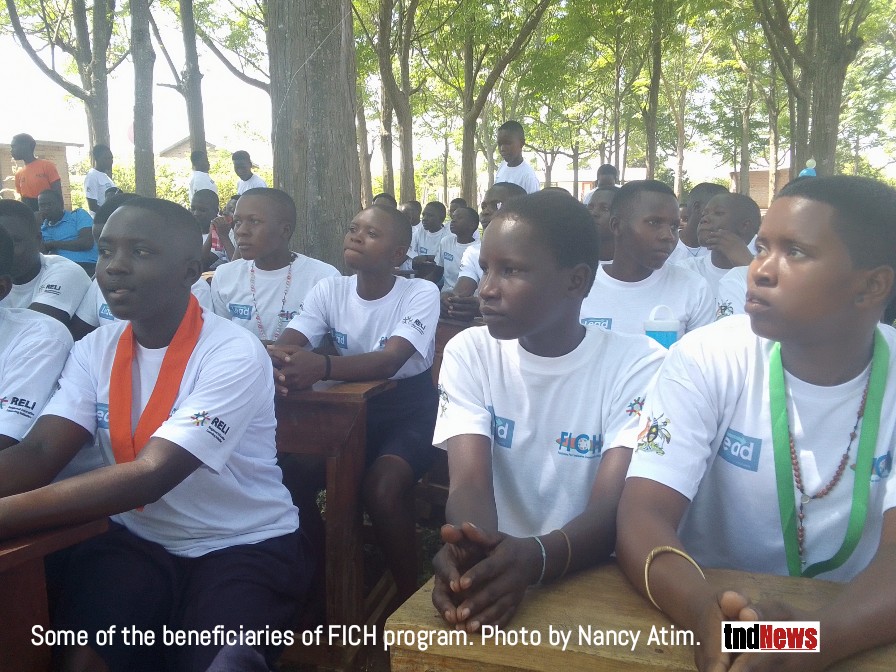
Kole district faces persistent gaps in foundational education, health services, and governance, despite progress in some areas, according to the 2025 FICH Baseline Assessment Report.
The findings highlight urgent challenges in teacher shortages, overcrowded classrooms, and low parental engagement, which continue to hinder children’s learning outcomes and overall community well-being.
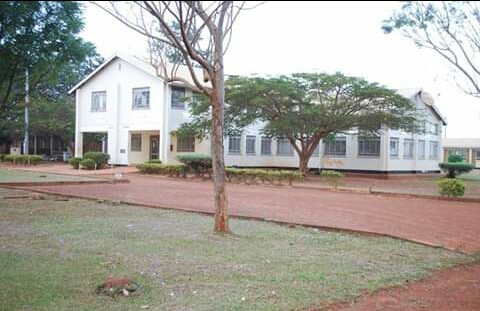
Education in Kole is also facing poor infrastructure, according to FICH. Many children, particularly girls, drop out due to poverty, early marriages, and child labour.
Parents also cite hidden costs, including uniforms and examination fees, as barriers to keeping children in school. Teacher absenteeism further undermines learning outcomes, contributing to persistently low academic standards across the district.
Bernard Ojuka, headteacher of Alem Primary School, which enrols 1,411 learners with only 17 teachers, observed that limited parental support for meals, scholastic materials, and school meetings exacerbates poor performance.
Inconsistent attendance among learners further compounds the challenge.
However, he noted improvements in early grade learning through continuous professional development, increased supervision, and active engagement between parents and teachers.
Ojuka also noted that tools such as continuous assessment and monitoring are now being employed to track learner performance with support from the district and other stakeholders.

Moses Okello, Executive Director of Growth Care Uganda, highlighted similar concerns, pointing to limited parental involvement in school feeding programs and poor engagement in school meetings as obstacles to improved learning outcomes.
He added that teachers remain under-motivated and poorly equipped, while weak supervision undermines education quality. Due to resource constraints, his organisation supports only two of the more than 50 government primary schools in the Kole district, partnering with the district and stakeholders to facilitate education development initiatives.
Kole District Education Officer, Tom Okare, emphasised additional challenges, including knowledge gaps and inadequate teaching methodologies.
He noted learners often attend classes on an empty stomach due to the absence of feeding programs, while schools lack sufficient learning materials to support numeracy and literacy.
“Donated learning resources are often underutilised, limiting their impact,” Okare added.
Okare further stressed that education data is crucial for addressing challenges such as high pupil-to-teacher ratios, poor hygiene, absenteeism, and limited parental support.
Similarly, he noted that data helps assess learner progress, identify strengths and weaknesses, and inform planning and resource allocation.
He committed to ensuring proper distribution and storage of books, engaging parents to reduce absenteeism, recruiting more teachers, and working with stakeholders like FICH to strengthen teacher capacity and data-driven decision-making.
The FICH report recommends urgent interventions by government, civil society, and development partners to close service delivery gaps.
These include investing in teacher training and classroom infrastructure, strengthening health systems through improved staffing and consistent drug supply, supporting agriculture with climate-smart practices and cooperatives, and promoting inclusive governance and community participation.
Discover more from tndNews, Uganda
Subscribe to get the latest posts sent to your email.