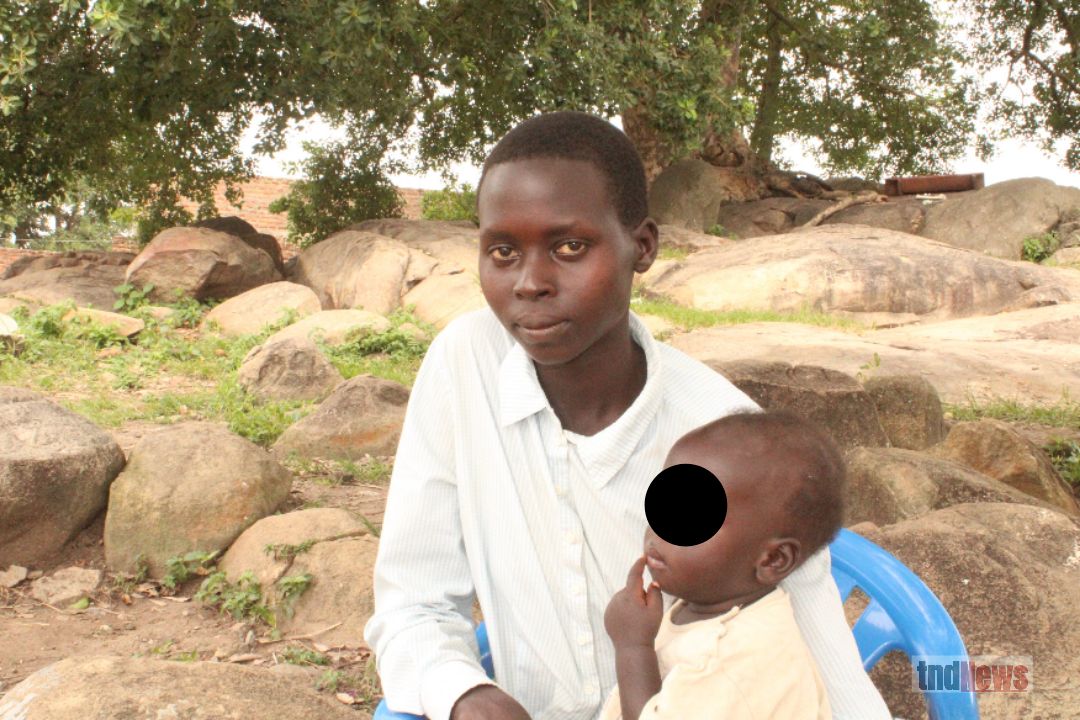
When 19-year-old Doreen Foni, recalls the day her family fled South Sudan in 2015, she remembers clutching onto nothing but a fragile hope for safety and education. Their trek through Nimule and Elegu ended at Nyumanzi Reception Center before finally settling in Maaji Refugee Settlement, Adjumani.
But even within the safety of the camp, education remained out of reach. The only available school was more than 10 kilometers away. For young girls like Foni, the distance was discouraging. Many remained at home, watching their dreams fade.
In 2017, Doreen fought her way back into the classroom at Zoka South Primary School, preparing to sit her Primary Leaving Examinations. Just as her ambitions seemed within reach, the COVID-19 pandemic struck, shutting schools for nearly two years.
Her parents, unable to afford secondary school fees, could not support her further. Idleness soon pushed her into a relationship that led to teenage pregnancy.
“Life became unbearable,” she recounts. “My parents took me to my boyfriend’s home, but he offered little support. I had to dig in people’s gardens and collect firewood to sell, just to buy food.”
Her struggles took a toll. Diagnosed with anemia during pregnancy, she was hospitalized at Alere Health Centre III before being transferred to Adjumani General Hospital, where she gave birth.
Even with a newborn, Doreen’s dream of education refused to die. Yet, her journey back to school was blocked by her own family. “Both my mother and aunt told me I could not leave the child behind. They said she was too young,” she says quietly.
Her turning point came when the Forum for African Women Educationalists (FAWE) introduced a school re-entry program for young mothers. The initiative provided caregivers for babies and constructed breastfeeding spaces within schools.
Today, Doreen is enrolled in the Accelerated Learning Program. “This opportunity has restored my hope. I want to become a health worker and treat the sick,” she says, her voice filled with determination.
A shared struggle
Doreen’s story mirrors that of Grace Jua Kalisto, 24, another refugee in Maaji II Settlement. She had joined secondary school in 2018, but when her uncle, the only relative paying her fees—passed away, her education abruptly ended. With her parents struggling to feed eight children, she was married off early. Two babies later, her education dream had withered.
“I tried brewing alcohol to raise money for school fees, but it was never enough,” Grace admits.
Her fortunes changed when FAWE introduced breastfeeding facilities and childcare centres near schools. For the first time, she no longer had to trek 14 kilometres home to nurse her children.
“I am so happy for FAWE. Their facility has saved us. Now I can attend lessons every day while my children are cared for,” she says with relief.

Schools respond to crisis
The outbreak of COVID-19 had devastating effects on education across Uganda. Prolonged closures saw a surge in teenage pregnancies and early marriages, especially in refugee-hosting districts like Adjumani.
“When schools reopened, many of our girls came back pregnant or already mothers,” recalls Ms Jessica Abedchan, deputy headteacher of Maaji Secondary School. “We asked ourselves: How do we support these girls so they can still pursue education and a better future?”
Initially, the school struggled. Young mothers needed spaces to breastfeed and care for their babies during lessons. The school lacked facilities and resources.
A breakthrough came in 2023 when FAWE funded the establishment of a child-friendly space at the school. The facility accommodates babies during the day, with a nanny providing care, porridge, and lunch. Mothers are allowed to breastfeed during breaks or even during lessons if necessary.
“The facility has improved class attendance by 60% and reduced the dropout rate from 20% to just 5%,” Ms Abedchan explains. “It has also changed attitudes among parents and learners about the value of education.”
Currently, seven infants are accommodated daily, giving their mothers the peace of mind to focus on academics.
Impact beyond classrooms
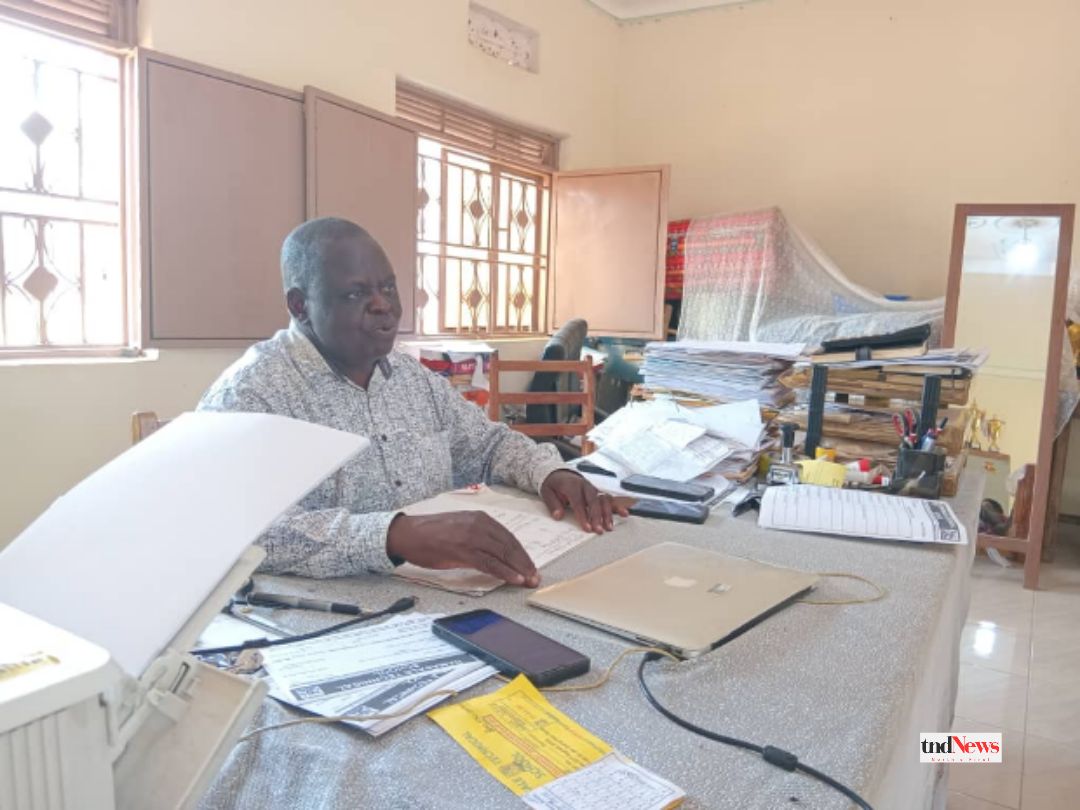
The broader impact of these programs is striking. According to Nancy Asibazoyo, Project Officer at FAWE, the organization has supported 489 girls to re-enroll after dropping out due to adolescent-related challenges.
“We have created safe environments where young mothers can continue their education while breastfeeding their children,” Asibazoyo notes.
Beyond re-entry, FAWE has trained 320 learners directly across eight schools in making reusable sanitary pads, reaching an additional 1,280 indirect beneficiaries. These interventions address barriers that often push girls out of school.
A district grappling with teenage pregnancy
But the scale of the challenge remains sobering. Mr Philip Akuku Kayakaya, Adjumani’s Principal Education Officer, revealed that over the past five years, the district recorded 1,809 cases of sexual violence against teenage girls.
The trend peaked during and after the pandemic:
- 2020: 360 cases
- 2021: 515 cases
- 2022: 383 cases
- 2023: 322 cases
- 2024: 229 cases so far
Despite these figures, progress has been noted under Uganda’s 2022 revised guidelines on the prevention and management of teenage pregnancy in schools.
“In 2024 alone, 78 young mothers were re-enrolled in primary schools while 117 were admitted back to secondary schools. This is a significant improvement compared to previous years,” Akuku said.
National perspective
The Ministry of Education and Sports has also flagged adolescent health as a growing concern.
Dr Amatre Gerald, a consultant on life skills and health education, says the ministry is addressing issues such as new HIV/AIDS infections, gender-based violence, substance abuse, and school dropouts.
“The average age of first sexual intercourse in Uganda is 17 for girls and 18 for boys, though some begin as early as 15. At this age, most are expected to be in Senior Two or Three,” Dr Amatre explains. “By 15, more than 60% of learners are already sexually active. This exposes them to early pregnancies, STIs, and school dropouts.”
He added that between 2016 and 2019, teenage pregnancy rates for girls aged 15–19 stood at 24–25%, meaning roughly one in every four pregnancies involved a teenager who should still have been in school.
Renewed hope
Back in Maaji Settlement, Doreen and Grace are among dozens of girls rewriting their life stories. With infant care and breastfeeding facilities now available, they walk into classrooms each day carrying books instead of despair.
For them, education is not just a second chance it is survival, dignity, and a future reclaimed.
And as FAWE’s Nancy Asibazoyo emphasises: “Every time a young mother walks back into school, it is proof that despair can give way to determination.”
Discover more from tndNews, Uganda
Subscribe to get the latest posts sent to your email.