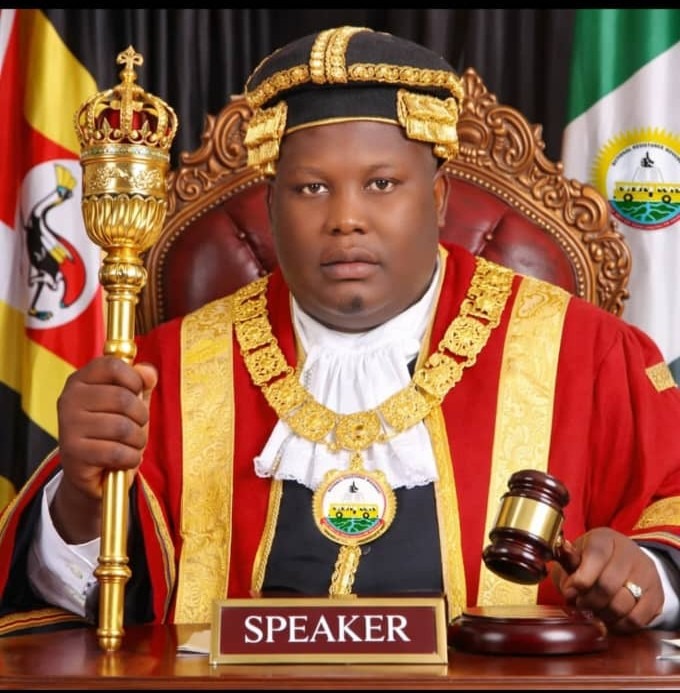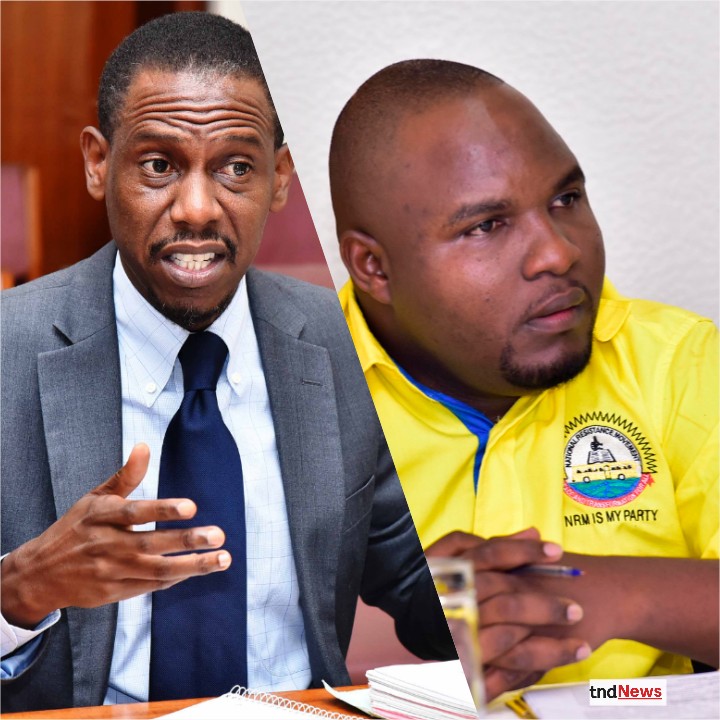
Politics in Lira City is a battle of two elephants: Dr Jane Ruth Aceng and Minister Betty Amongi, and one lone wolf Ms Patricia Aceng winding in between their legs to scavenge for any drop off voters due to discontent and friction between the elephants.
As the race gets to the starting line with impending nominations for the position of Members of Parliament and subsequent campaigns, politics in Lira City is getting snapped and shaped by the elites who knowingly bend the rules and promote political evils and drag religion into the fracas.
In Lango, I got drawn to the trends in the forgeries and deception through issuance of fake documents or declarations purported to be official. I don’t care which political or religious side it’s from – as a devoted Christian, I think it’s blasphemous to move a mile to forge and circulate an ecclesiastical document.
The fake letters from Lango Diocese (which is definitely not the Diocese of Lango) and another from Lira City Council which came out simultaneously though the dates are stamped differently have caught my attention.
The source and the perceived recipients of the letter are undeniably high-profile officers or electorates. (As kickboxer Golola Moses would put it – they are not joking subjects). Every official document of such magnitude often has coloured headed paper, with a clear logo and correspondences for the readers to quote since it’s presumed to be the original copy meant for the noticeboard and anyone can snap and share as it is.
Legally, the Constitution of Uganda (1995), Article 37 guarantees the right to belong to, enjoy, practice, profess, maintain, and promote one’s religion; while Article 29(1)(c) protects the right to freedom of religion. This is further galvanised by the Computer Misuse Amendment Act (2022), which prohibits online hate speech, including expressions that “ridicule, degrade, or demean” individuals based on their religion.
When a letter is concocted and distributed purportedly from a certain religious denomination, and in this case, the Anglican Church in Lango, it not only ridicules, degrades or demeans the person of the undersigned clergy as an individual, but also puts into disrepute the whole religious entity.
As a fact checker in an era of AI, I noticed that in all the letters, none has been copied to the file which is not akin to a legal institution but an illegal entity which doesn’t care about record keeping for future references in case of legal challenges, accountability and audit exercise.
Forget about the stamps, I can reproduce one virtually using my phone even right now and place it wherever I want it placed in a document.
The Penal Code Act, Chapter X caters for offences relating to the administration of justice in offences such as Perjury in Section 94 prescribing punishments of up to 7 years imprisonment for committing perjury or suborning perjury as covered in Section 97.
Fabricating evidence (in this case a letter or letters) is contrary to Section 99 in the Penal Code Act which prohibits fabricating evidence with intent to mislead a tribunal and it is punishable by up to 7 years imprisonment including Presenting False or Forged Evidence which is also an offence under the Penal Code.
Now in both cases, why would one first photocopy a document in black and white with a visible mark on the left margin, then stamp in coloured? You don’t send a photocopy of a document to those high profiled people, then fail to have a file copy as the last destination for your future records. Reading both letters, one would sense the shrewdness in the content and that it was written with a biased mindset which quotes no law or cannon to back it up which is not akin to both quoted sources.
Certain salutations and title mix-ups are a reserve of certain entities, those who forge often miss certain small details as such. No one mixed his title even if it’s as newly bestowed as now upon him (The Church letter has a title which the author didn’t realise is obsolete). In the case of both letters, the introductions and ending salutations are informal and it’s not the reserve of those institutions.
The latest purported letter by an Anglican man of God points to a rushed informal meeting minute document that needed urgent circulation.
However, I must express my disappointment with the readers and commentators who do not have the tech mindset to discern fake news from what is real and move to comment either on social media, update on their status, forward to “a thousand virtual groups” or call on radio stations to vent their anger WITHOUT VERIFYING the content.
According to the Computer Misuse Act 2011 as amended 2022, if you use social media to publish, distribute, or share information prohibited under Ugandan law, or use a disguised or false identity, you can face: A fine of up to shs 16 million (approximately $4,300 USD), imprisonment for up to 5 years or both fine and imprisonment.
This would send a warning to the authors of such documents as it could be traced to the source.
Needless to remind social media administrators in particular that the same Computer Misuse Act states clearly that if such an offence of sharing false information on platforms where you, as an individual or groups of administrators occur, you can be held personally or severaly liable for the commission of the offense on your platform.
These acts on both clergy and civil servants can lead to uncalled for profiling and surveillance on a wider clergy and civil servant community as such acts if left unchecked, may fuel religious or civil disobedience. This works against the cohesion and milestones achieved in cleaning the civil service by government and as well derail the efforts of the Inter-Religious Council of Uganda which comprises all major religious denominations in the country.
According to results from the 2024 Census, Christians enjoy an 82% of the population shares, divided into: Roman Catholics with 36.2% (approximately 16.6 million people), Anglicans with 29% (approximately 13.3 million people), Pentecostals with 14.3% (approximately 6.5 million people), Seventh-day Adventists with 2% (approximately 0.91 million people) andother Christians with 0.7% (including Eastern Orthodox, Baptists, and others).
It is important to notice the diversity in the Uganda’s religions such as Muslims with 13.2% of the population (approximately 6 million people), mostly Sunni Muslims, other Religions with 1.6% of the population, including: Traditionalists with 0.1% (approximately 56,332 people), Hindus with less than 0.1%, Buddhists, Bahá’í Faith, Judaism and Atheists – No Religion with 0.2% of the population.
Some of them do vote and others don’t vote but have influence in Ugandan politics so pitching them against each other is treacherous.
Going forward, I propose that all legal entities should have a standard of communication which is unique to them alone. For example, I worked in an entity which has strict rules on how their official letters MUST appear.
All headed papers are customised in such a way that you just open and type without changing the default settings. You would be penalised for it if you do otherwise. (The font, text size, line spacing, paragraphing, colour, style, capitalisation, etc.)
Having a standard kind of paper for such high end communication would serve the uniqueness of the document and save the institution from future diplomatic embarrassments or having to explain themselves.
And again, certain colours are hard to duplicate especially the ones which appear in the logo of a particular institution example, the colours used by auditors are standardised and it’s understood including how they mark their areas of qualified opinion.
Introduction of seals in such official documents be paramount and its consistency in use should be upheld just as in the courts of law where any document without the seal is null and void.
In this digital era, a virtual seal could be a QR code or bar code which links the document to the original source and can be scanned by the reader for verification could serve the purpose.
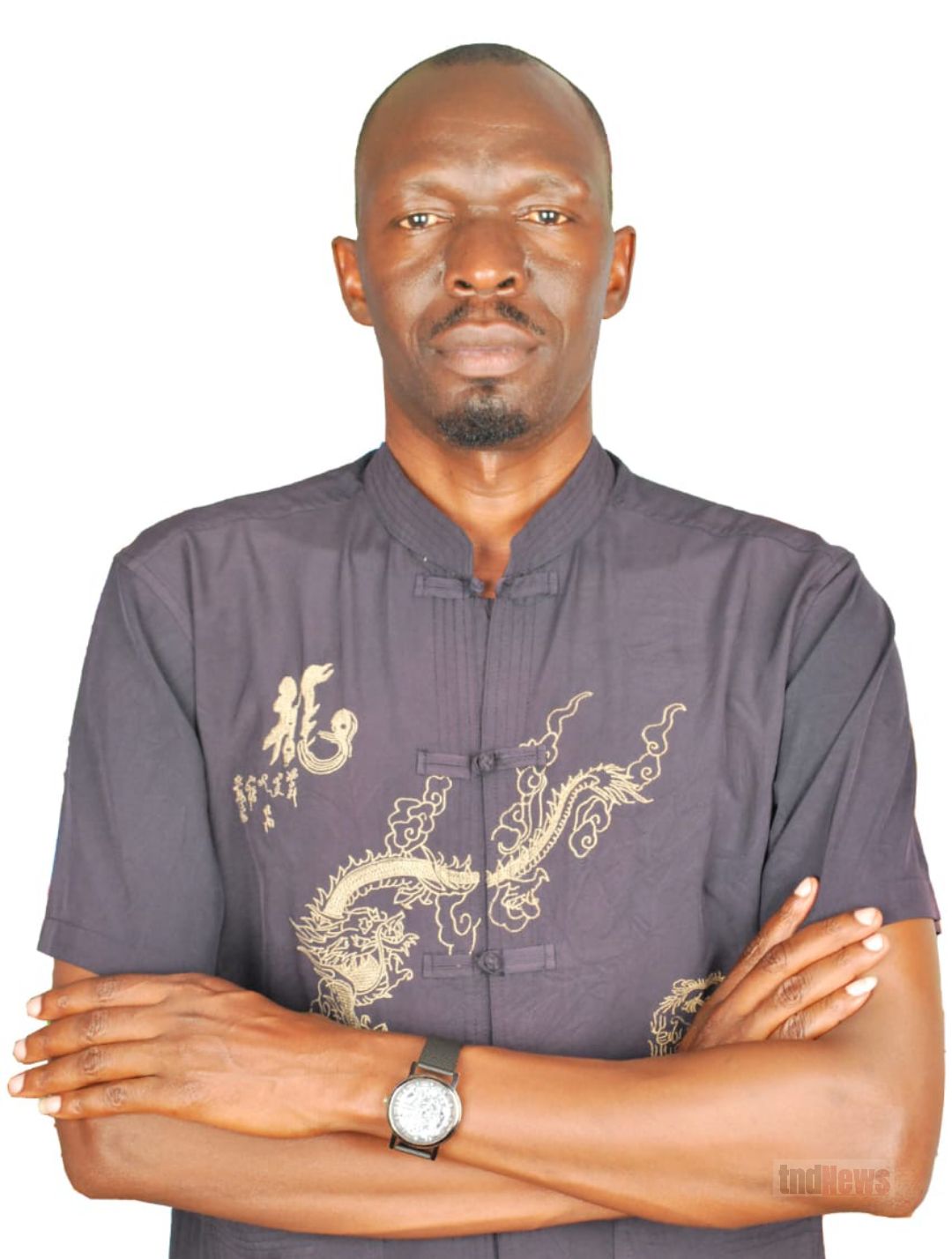
The author, Omara R. Ronnie is an administrator, journalist & media trainer.
Discover more from tndNews, Uganda
Subscribe to get the latest posts sent to your email.