As Uganda prepares for the 2026 general elections, journalists in Lira, Kitgum, and Gulu have been urged to prioritize safety, professionalism, and ethics in their reporting.
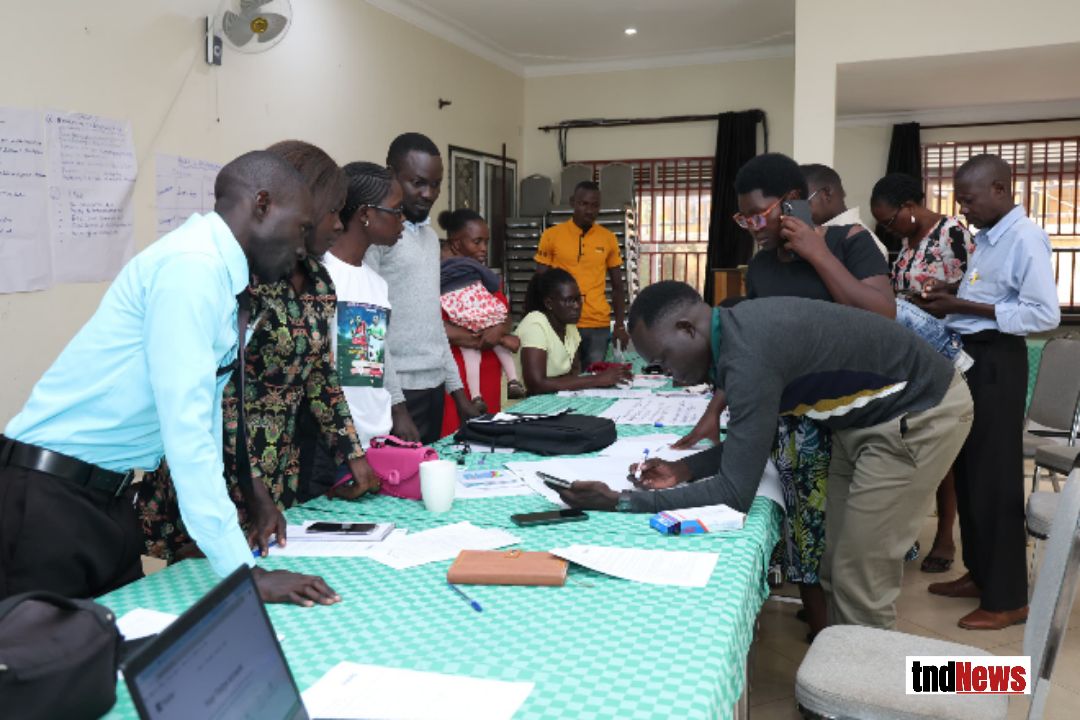
The call was made during a training organized by the Uganda Media Women’s Association (UMWA), which sought to equip young reporters with the skills needed to navigate the challenges of election coverage.
The sessions blended practical safety drills with lessons on professionalism, ethics, and resilience. For many participants, it was not just another workshop, it was an eye-opening encounter with the realities of frontline reporting.

Oyugi Emmanuel, a reporter with Voice of Lango FM in Lira, said the program reshaped his perspective on safety. He emphasized the value of teamwork, noting that journalists are more secure when they look out for one another.
He also underlined the importance of appearance and preparedness. “Carry proper identification, press tags, IDs, and jackets. Dress decently to avoid harassment,” Oyugi advised, adding that women reporters should be mindful of how they dress as a protective measure against harassment.
He further urged colleagues to back up their data regularly through email or by sharing with trusted peers to safeguard critical information.
Echoing this, Nam Joshua, editor at Rhino FM, linked dressing to survival in tense situations. “Men can wear T-shirts and jeans, something that allows them to run when the situation becomes chaotic,” he said.
Joshua reminded participants that elections can shift from calm to volatile in seconds. Beyond safety, he stressed the need for balance and neutrality. “Journalists should give fair coverage to all candidates. Our duty is to inform, not to take sides. If you stick to the law and remain professional, you avoid being dragged to court.”
For Sinika Agenorwot, a reporter and sports analyst with Mighty Fire FM in Kitgum, the training revived painful memories of past election coverage. She recalled being harassed while covering opposition rallies.
“When I was covering the National Unity Platform recently, police were everywhere, arresting people. I had to run for my life,” she said.
During local government elections in Labongo Amida sub-county, Kitgum district, Sinika was repeatedly warned not to enter polling areas where malpractice was unfolding.
“People had already taken bribes, so they did not want journalists inside. I was told several times to leave. When I refused, the situation escalated. I only escaped because I could run fast—I was about to be beaten,” she recounted.
She said the training empowered her to demand greater support from her editors. “When things get tough, I want to know my newsroom will stand with me.”
Beyond safety: ethics and integrity
The sessions also underscored the ethical obligations of journalists. Participants were urged to resist bribery—an all-too-common temptation during elections and to practice inclusivity by amplifying voices of both young and old, as well as women, who are often sidelined in politics.
According to Rebecca Birungi, a trainer and consultant with UMWA, the sessions were designed to bridge knowledge gaps among young reporters.
“We wanted to enhance skills, share experiences, and prepare the next generation of journalists for the demands of election coverage,” she said.
Birungi noted that women journalists face unique vulnerabilities. An assessment revealed that many lacked adequate understanding of the legal frameworks governing media and elections.
“If you do not take time to read the laws, you might unknowingly find yourself on the wrong side,” she cautioned.
She also addressed the growing threat of online intimidation. “If you feel threatened online, don’t engage. Block them or step back. The more you respond, the more attention you attract.”
Birungi stressed the importance of challenging stereotypes, especially those targeting women. “As journalists, your role is to present facts and avoid perpetuating bias. Fairness and objectivity are not just professional standards; they are the foundation of public trust,” she said.
Guarding democracy through journalism
As Uganda enters another electoral season, UMWA hopes the training will help create a better-prepared generation of journalists—reporters who will not only safeguard their own safety but also uphold democracy by telling stories truthfully, inclusively, and without fear.
Discover more from tndNews, Uganda
Subscribe to get the latest posts sent to your email.