We are into the second week of school term two, which opened officially on May 26. In second term, schools are usually busy with several activities, such as mock exams, athletics, ball games, student leaders’ elections and school practice for teacher trainees.
These activities severely strain the schools’ financial resources. While some of these activities are budgeted for and included in the school budget, or parents make financial contribution (for the case of MOCK exams), the issue of school practice deserves support from universities.
School practice, or teaching practice is a structured period during which student teachers (education students) work in schools under the guidance of experienced teachers (mentors) and university supervisors.
In Uganda, and beyond, school practice is a core component of teacher training, making it mandatory for all students pursuing undergraduate and postgraduate education programmes.
School practice provides an opportunity to strengthen academic collaboration and resource sharing between primary and secondary schools, and universities. For schools, student teachers come with several benefits – relieves pressure on senior teachers by reducing teaching and marking load.
Student teachers are also better placed to greatly inspire students to work hard compared to senior teachers, because of the small age-gap between student teachers and learners.
Despite that, the huge cost of hosting them puts schools in a very difficult social and financial position. Costs such as food, water, electricity, allowances, and scholastic materials.
To make things worse, some male student teachers get involved in sexual relationships with learners, resulting in police cases, and negative publicity. Or sometimes, female teachers hook up with senior teachers, leading to enmity and jealousy in the staffroom.
Due to these issues, some schools severely limit the number of students teachers or completely decline to host student teachers.
This state of affairs calls for establishment of win-win collaboration between schools, and universities. The current arrangement where student teachers pay school practice fee at the university and come for school practice with nothing, is exploitative for schools, and student teachers.
And yet education students pay a lot of money for school practice. At Kyambogo University, education students pay shs150,000, Muni University shs80,000 while All Saints University Lango pay shs130,000.
Considering that universities are better funded and resourced compared to primary and secondary schools, they should formulate a cost-sharing arrangement with participating schools.
These fees, intended to cover the costs of organizing and supervising school practice, often remain within university coffers, leaving schools to shoulder the financial burden alone.
This arrangement is exploitative, not only for schools but also for student teachers who receive minimal support from universities.
A cost-sharing model would create a win-win collaboration, ensuring schools are adequately supported while enhancing the quality of teacher training. For example, universities could allocate a portion of school practice fees (for example say, 30 50%) to host schools to cover costs like meals, utilities, and allowances.
Alternatively, universities could provide in-kind support, such as teaching materials, internet access, infrastructure improvements like repair of desks, chalkboards etc.
Such measures would incentivize schools to host more student teachers, increasing opportunities for education students and strengthening academic partnerships.
To address social challenges, universities must implement stricter oversight and introduce external supervisors.
External supervisors can be senior teachers within the school, such as Director of Studies or Head of Department.
Overall, the benefits of a cost-sharing model extend beyond financial relief. Schools would gain resources to improve teaching environments, while universities could strengthen ties with communities, enhancing their social impact.
Also, a collaborative framework would align with Uganda’s national education goals, promoting quality teacher education and equitable resource distribution.
Thus, universities should work with school administrators, teacher associations, and policymakers to design a fair funding model. By addressing the financial and social challenges of school practice, universities can demonstrate leadership in building a sustainable teacher training ecosystem in line with the National Teacher Policy of 2018.
In conclusion, the current school practice model places an unfair burden on primary and secondary schools. Therefore, universities must share resources to create a mutually beneficial partnership.
By investing in schools, universities can ensure that school practice remains a cornerstone of teacher training, benefiting students, schools, and the future of education in Uganda.
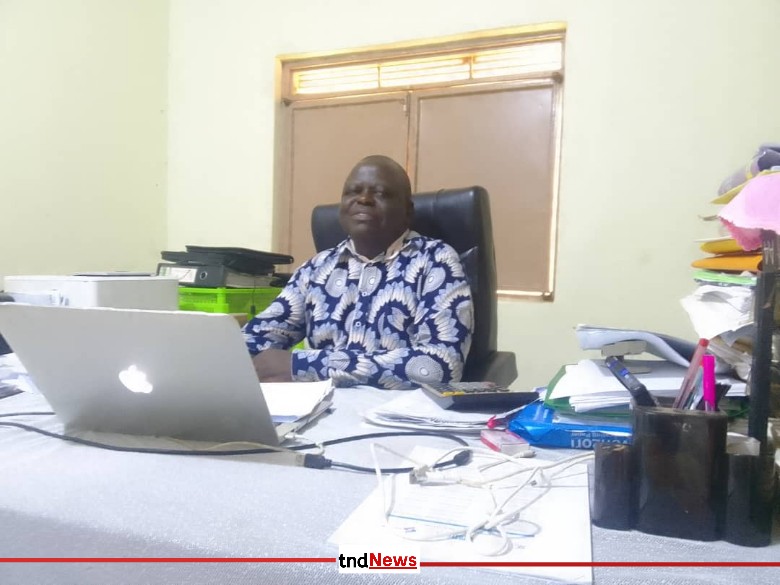
Emmanuel Angoda is the founder of Triskelion Education and Skills Initiative (TESI), and teacher at Lira Town College
angodaemmanuel@gmail.com.
Discover more from tndNews, Uganda
Subscribe to get the latest posts sent to your email.