Adjumani | Friends of Zoka and Action for Rural Women’s Empowerment (ARUWE) have partnered to advance the rights and well-being of rural women and their communities through sustainable development initiatives.
The collaboration focuses on climate change adaptation, environmental protection, gender equity, women’s rights, food security, and sustainable agriculture.
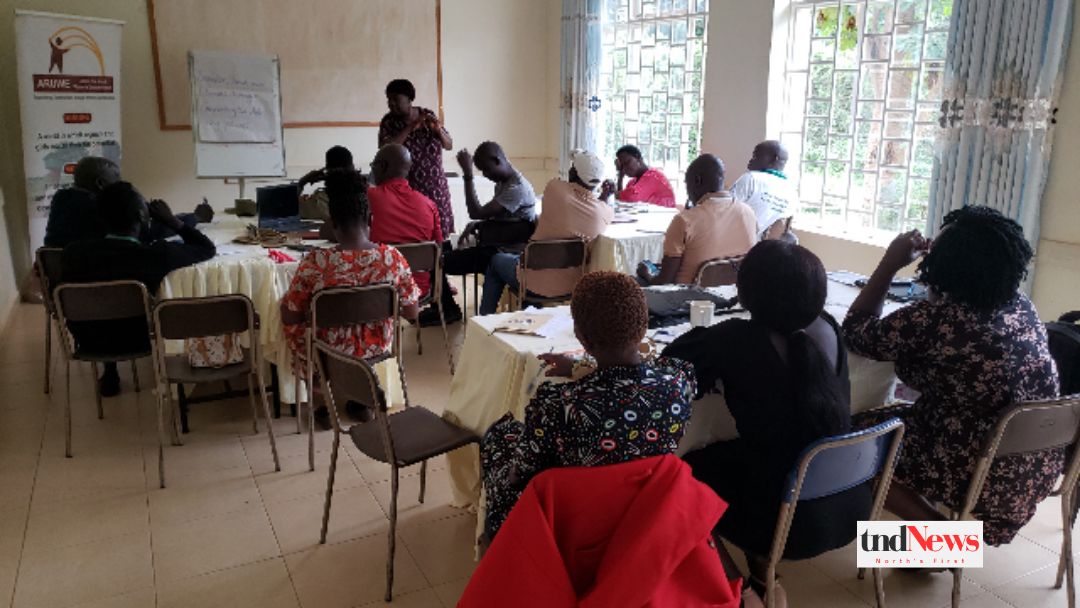
The partnership was highlighted during a gender-sensitive engagement workshop held at the Adjumani Multipurpose Training Centre. The workshop aimed to promote gender-responsive policy-making in areas of land use, environmental protection, and climate change.
It brought together policymakers, local government officials, lawmakers, opinion leaders, and elders for in-depth discussions on integrating gender perspectives into development and governance frameworks.
Participants examined the structural barriers that hinder women’s access to and control over natural resources, especially land, citing challenges related to land tenure, cultural practices, and unequal power dynamics in resource management.
Hana Owot, a trainer at the workshop, emphasized that economic and social empowerment is essential for women to fully realize their potential.
“When women lack access to land, it becomes a barrier to everything in life, especially in the absence of land titles,” she said.
Owot also stressed the need for targeted awareness on climate issues, urging that women be empowered to contribute to forest conservation and climate change mitigation rather than being drivers of environmental degradation.
Williams Amanzuru Leisle, team leader of Friends of Zoka, explained that their efforts are being carried out in partnership with Ecological Trends Alliance, Africa Institute for Energy Governance (AFIEGO), and ARUWE.
“Gender issues are holistic and part of everyday life,” Amanzuru remarked. “Where do we draw the line for a common contribution to make this world a better place? That’s what gender is all about.”
He reiterated that gender inclusion is not solely a women’s issue but a cross-cutting concern critical to the well-being of families and communities. Addressing gender disparities, he said, is essential for building meaningful and inclusive development in the region.
Speaking on cultural norms, Paulino Vuso, Chairperson of the Adjumani Elders Forum, acknowledged that while Madi cultural traditions allow women to use land freely, they are not permitted to sell it.
“Land is considered the identity of our people. Selling land is like selling your identity. Can you buy someone’s identity?” Vuso posed.
Miriam Namuwenge, gender focal person at the Office of the Prime Minister in Adjumani, called for stronger collaboration in mainstreaming gender into climate change adaptation strategies.
“The effects of climate change do not discriminate; they affect everyone regardless of gender,” she noted.
The workshop concluded with a call for all stakeholders to work collaboratively in strengthening gender equity in policies and practices, particularly in land governance and environmental management.
Discover more from tndNews, Uganda
Subscribe to get the latest posts sent to your email.