Oyam, Uganda | The Foundation for Inclusive Community Help (FICH) has launched an ambitious initiative to transform primary education in Northern Uganda.
The “Equal Foundations, Empowered Futures: Investing in Gender Equitable Primary Education in Northern Uganda” project aims to improve foundational literacy and numeracy for 24,000 children in P3 to P5, with a particular emphasis on gender equity.
Although most of the schools benefiting from this are in Oyam, the project is also benefiting schools in Kole, Arua and Alebtong districts.
Decades after the devastating 1986-2006 civil war, Northern Uganda still has high illiteracy rates, with Oyam ranking among the bottom in national literacy assessments. The troubling rise in the number of non-readers has highlighted the importance of intervention.
Through this three-year initiative, FICH hopes to reverse this trend by training 288 teachers in the Teaching at the Right Level (TaRL) methodology and gender-responsive pedagogy, resulting in more inclusive classrooms.
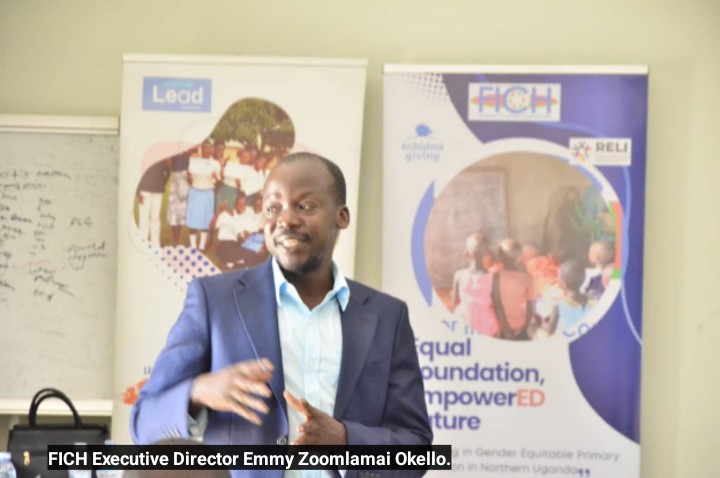
Emmy Zoomlamai Okello, Executive Director of FICH, notes that education is the backbone of development, and that addressing foundational learning gaps, particularly for girls, is one of the reasons they are investing in a more equitable future for northern Uganda.
According to Okello, the project will create girl-friendly learning spaces, provide gender-responsive teacher training, and engage parents through community forums and school meetings.
It also includes a robust Monitoring, Evaluation, and Learning (MEL) system, which will collect gender disaggregated data to influence policy advocacy at regional and national levels.
“In the first year, FICH will conduct a gender audit to refine its approach and collaborate with Uwezo Uganda to enhance assessment tools. Over the course of the three years, the initiative will expand its reach, providing training for teachers, supporting parents, and advocating for policy changes that prioritize foundational learning and gender equality,” said Okello.
Furthermore, Okello confirms that the initiative is expected to reduce gender disparities, enhance literacy and numeracy rates, and influence government policies by strengthening local Community-Based Organizations (CBOs) and fostering collaboration with government agencies while FICH aims to ensure the program’s sustainability and long-term impact.
He also emphasized that the initiative targets Primary 3 and 5 learners to address the learning crisis where many children still struggle with basic literacy and numeracy skills. The program incorporates a play-based learning approach and TaRL methodology to help bridge these gaps.
“We aim to improve both the skills of teachers and the engagement of parents, ensuring that learners achieve the necessary competencies in literacy and numeracy,” the executive director added.
Local organizations, including Zizi Afrique, Uwezo Uganda, Arua Youth Development Initiative (AYDI), Growth Care Uganda, and Change Lead Agency Social Support (CASS), have also partnered with FICH to improve education in Oyam district.

Together, they are focusing on tackling factors that hinder learning, particularly issues related to parents, teachers, and school management committees (SMCs).
The initiative will reach 24,000 learners over the next three years across 32 government primary schools. Special emphasis will be placed on training teachers, many of whom lack the practical skills required for effective early-grade teaching despite having college education.
For its success, the program will introduce play-based learning techniques and ensure gender-sensitive teaching methods to address performance disparities between boys and girls.
Concerns about the declining performance of government schools in Oyam district were raised during discussions. Out of 159 first-grade passes, only 38 were from government schools, with the rest from private institutions.
Janeth Acol, the Oyam Senior Inspector of Schools, expressed concern about the disparity in performance and emphasized the need for stronger parental involvement in supporting education at home.
“It is embarrassing that government schools are performing so poorly. We need to identify the gaps and address them urgently,” said Acol.
She urged school inspectors to conduct more frequent visits to guide teachers and improve the teacher-parent relationship to enhance learning outcomes.
Joel Ojedra, Deputy Chief Administrative Officer (DCAO) of Oyam, underscored the importance of education as the foundation of development. Ojede called on political leaders, civil society organizations, and NGOs to work together to strengthen school infrastructure, increase parental involvement, and improve learning conditions.
“For education to thrive, we need full dedication from learners, teachers, and parents. Stakeholders must step up efforts to bridge the existing gaps,” Ojedra emphasized.
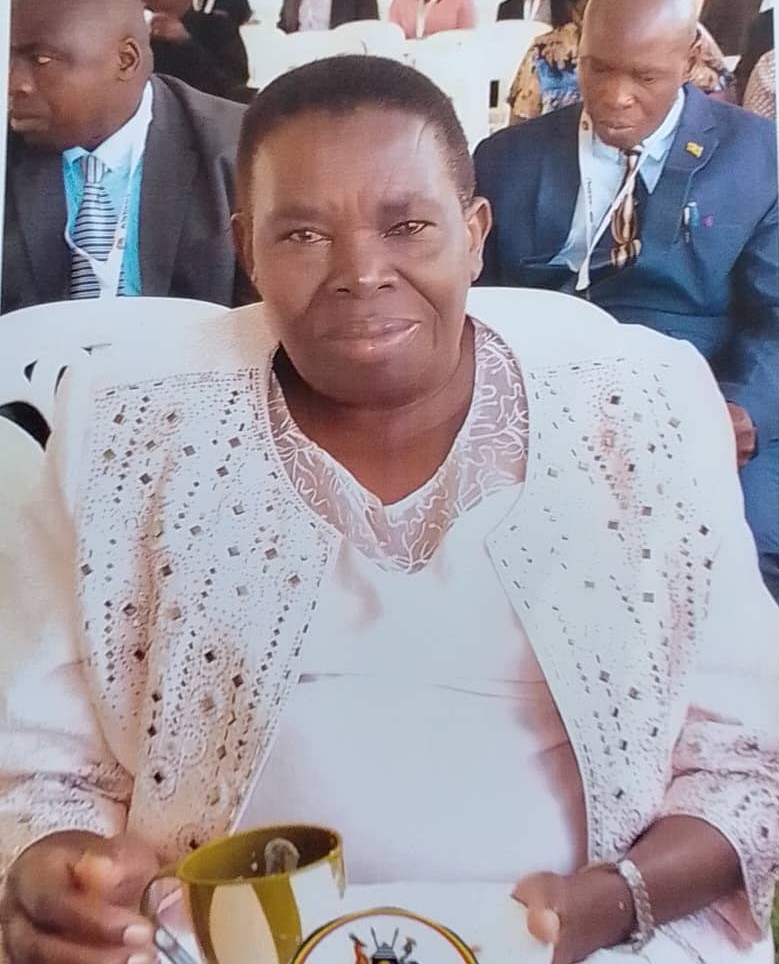
Beatrice Hellen Auma, Secretary for Education and Sports and Chairperson of the Oyam District LC5, welcomed the new program and pledged district support.
“We express gratitude to the development partners for their contributions in education and health. Their efforts are highly commended, and I call for everyone to support the program’s implementation in their respective communities,” Auma said.
However, she noted challenges such as low school attendance, especially in rural areas, and the need to mobilize parents to bring their children back to school.
During a stakeholder meeting held in Oyam, Patrick Ocen, Assistant Resident District Commissioner, questioned why private schools continue to outperform government schools despite the resources being provided.
“What is the problem? Are we able to identify and address these issues?” Ocen asked.

To address these challenges, Ocen recommended frequent school monitoring by inspectors to provide necessary support, strengthening parental involvement in children’s education, improving teacher training to equip them with play-based learning and TaRL approaches, addressing gender disparities in learning outcomes, and enhancing school infrastructure to create a conducive learning environment.
Through collective action, the initiative aims to change the narrative of education in Oyam, ensuring that every child, regardless of background, has access to quality education and progresses successfully from one grade to the next.
The Equal Foundations, EmpowerED Futures project represents a critical step in transforming education in Northern Uganda.
FICH is working to ensure that every child in Oyam receives a quality education and is equipped for a better future by improving teacher training, engaging parents, and advocating for policy change.
The project is funded by Echidna Giving.
Discover more from tndNews, Uganda
Subscribe to get the latest posts sent to your email.