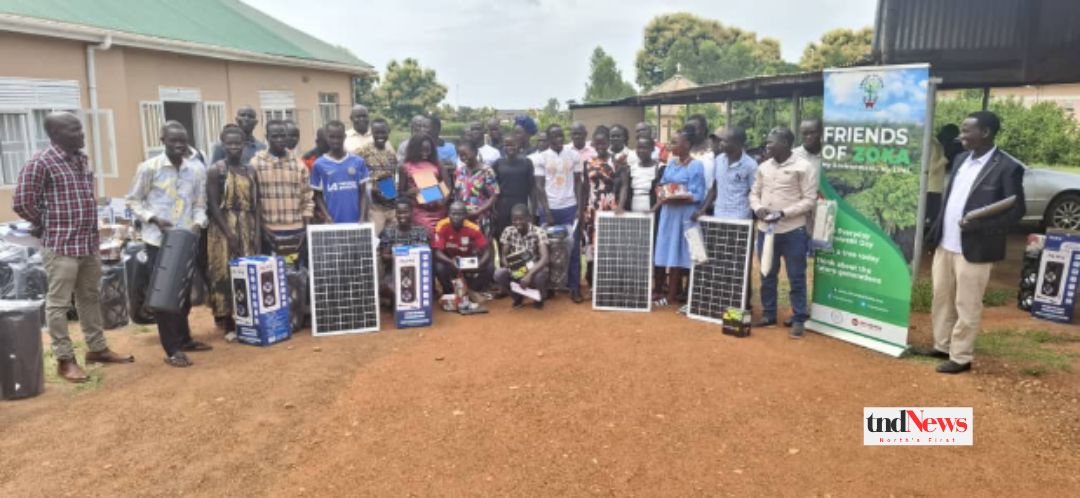
The Royal Danish Embassy (DANIDA) has allocated $6,171,393 (approximately shs 22 billion) to support the implementation of the Uganda Refugee Resilience Initiative (URRI) in Adjumani and Lamwo districts.
The four-year project aims to enhance climate resilience among refugees and host communities, foster inclusive and sustainable development, and promote environmental conservation in areas affected by refugee settlements.
The project will be executed through a consortium of organizations, including Save the Children, World Vision, AVIS, YSAT, UGANET, KRC, and RIL.
According to Mr. Noel Alabi, the program manager for the consortium, URRI will directly benefit 12,347 participants, with 7,404 from Adjumani and 4,943 from Lamwo district.
“We are adopting a 65:35 ratio, targeting host communities and refugees respectively, with at least 60% of the beneficiaries being women and youth. Additionally, at least 3% of the participants will be from vulnerable groups,” Alabi stated.
The initiative will engage both men and women in off-farm, nature-based, and climate-adaptive enterprises, as well as income-generating activities.
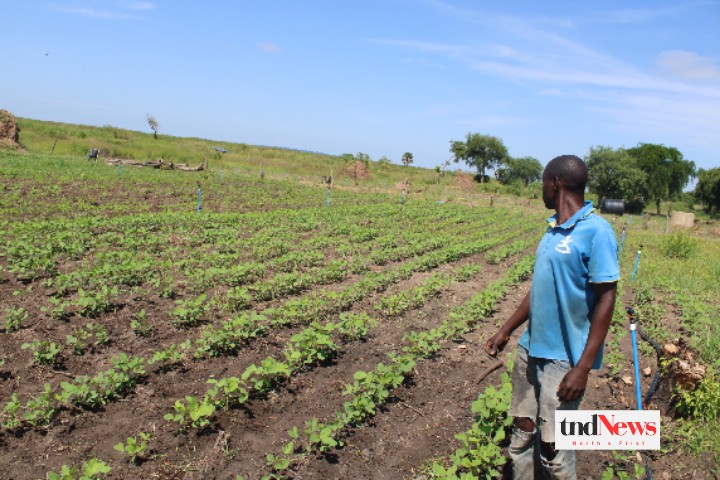
The project also aims to strengthen community capacities to mitigate climate and environmental shocks that threaten agricultural productivity.
“The project will reinforce sustainable community structures for environmental and natural resource protection and restoration,” Alabi emphasized.
With the ongoing reduction in food rations for refugees, coupled with limited land access and low adaptive capacity, refugee representatives have welcomed the project.
Refugee Welfare Council Chairperson Three, Bul Garang Giak, expressed optimism that URRI will address food insecurity within refugee settlements.
“We share many resources with the nationals, but conflicts often arise over natural resources due to climate change. This project will help resolve these tensions,” Garang explained.
Kevin Aciro Owacgiu, the URRI program manager at Save the Children, underscored the importance of gender inclusion in the initiative.
She stated that Save the Children would oversee project implementation, ensuring gender equality and women’s empowerment in agriculture, climate adaptation, and environmental sustainability.

Adjumani District, like other areas in Uganda, is experiencing erratic rainfall patterns, low crop yields, and limited livelihood opportunities.
The district’s natural resource officer, Charles Giyaya, described the URRI project as a game-changer, noting that the district has already put measures in place to combat climate change effects.
“The district has developed an Environmental Action Plan and is working on an Adaptation Plan. We will also establish a Settlement Environmental Management Plan to cater to refugee settlements,” Giyaya stated.
He further emphasized the need to establish woodlots to provide firewood for refugees, promote the use of briquettes, and encourage the adoption of improved cookstoves to mitigate environmental degradation.
Background
Uganda currently hosts Africa’s largest refugee population and is recognized globally for its progressive refugee policies. Denmark’s strategic objective aligns with Uganda’s efforts to provide sustainable and durable solutions for refugees while supporting the country’s stabilizing role in the region.
URRI builds on the success of the Northern Uganda Resilience Initiative (NURI), which was implemented between 2019 and 2022 with funding from the Danish Ministry of Foreign Affairs as part of Uganda’s country program.
Discover more from tndNews, Uganda
Subscribe to get the latest posts sent to your email.