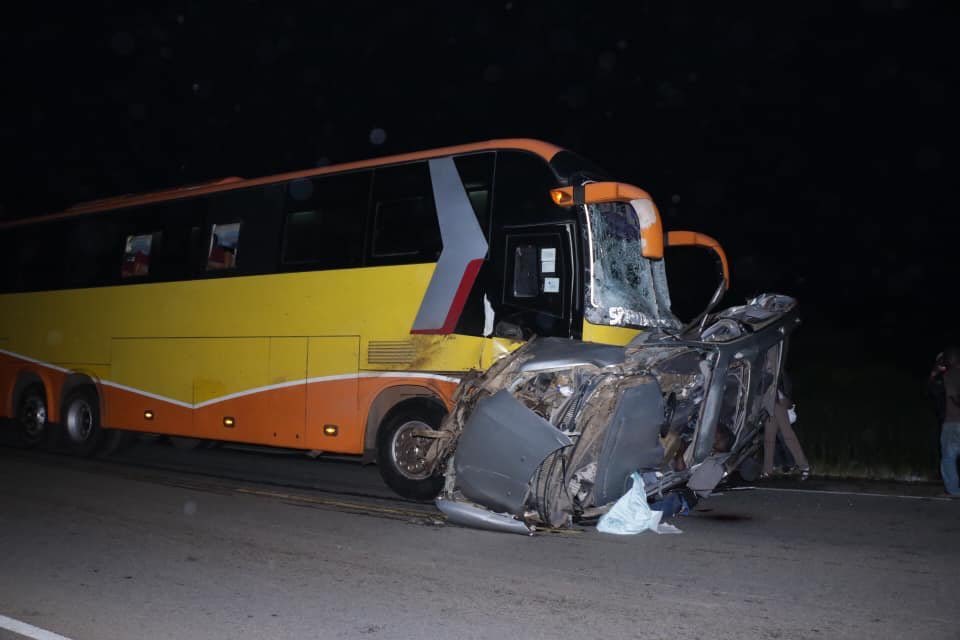
Gulu I Uganda is not alone in grappling with the road safety crisis. Across Africa, traffic fatalities remain disproportionately high.
According to the World Health Organization (WHO), the continent accounts for 16% of global road traffic deaths, despite having just 2% of the world’s vehicles.
Uganda’s roads have become increasingly perilous, with common causes of accidents including reckless driving, poor vehicle maintenance, inadequate law enforcement, and overloading, particularly with boda bodas (motorcycle taxis). Though, the broader issue lies in the lack of proper safety measures and infrastructure to protect road users, coupled with low insurance penetration.
In 2023 alone, Uganda reported over 3,500 deaths due to road crashes, a figure that continues to rise each year. With the growing number of vehicles on the roads, the issue is becoming a public health crisis.
While governments, local authorities, and NGOs work tirelessly to curb this issue, the private sector, particularly the insurance industry, holds significant untapped potential in improving road safety across the continent.

According to WHO, Africa has the highest road traffic fatality rate in the world, with Uganda reflecting a particularly troubling trend and insurance can serve not only as a financial safety net for accident victims but as a powerful tool to improve road safety in Uganda and broader Africa.
In Uganda, many vehicle owners lack insurance, so crash victims receive no compensation. The absence of insurance compounds the economic burden on families and healthcare systems, and for many, vehicle repairs or medical bills are an insurmountable cost.
How insurance can improve road safety
Although people often view insurance as reactive, providing compensation after road crashes, it can play a much more proactive role in preventing crashes and improving road safety.
According to a report from the Road Safety department, over 60% of vehicles on the road in Uganda are not roadworthy. Thus, insurance companies, particularly those that offer comprehensive cover, could influence vehicle maintenance standards by requiring regular vehicle inspections as a condition of coverage.
The Medical Insurance Committee chairman, Dan Musiime, echoed the need for medical insurers and service providers to move in the same direction, committing to resolving issues as they come for the mutual benefit of the businesses and the customers.
He stated that insurers in countries like South Africa provide lower premiums for vehicles with advanced safety features, such as airbags, anti-lock brakes, and stability control.
He further noted that Uganda could adopt similar policies to encourage drivers to invest in these safety features and reduce their risk of being involved in an accident.
To Emmy Ocen, a boda boda rider in Gulu City, insurance premiums are typically based on risk assessments but a proactive approach to encouraging safe driving is gaining traction amidst increasing accident rates in the country.
“We riders (boda bodas) often display dangerous driving habits such as speeding, overtaking on blind curves, and failing to wear helmets; thus telematics-based insurance programs once introduced to us which use devices to track driving behaviors like speed, braking and acceleration can be used to offer discounts or even impose penalties based on driving patterns,” Ocen said.
However, Alfred Oyet, a boda boda rider from Amuru district, revealed that by incentivizing good driving behavior, insurance companies can create a financial motivation for drivers to adhere to traffic laws.
“Safe drivers could enjoy lower premiums, while reckless drivers could face higher costs. This approach, which I hear is already being used in parts of Europe and could be particularly effective in Uganda, where the majority of road accidents are caused by human error,” Oyet explained.
In Uganda, like other parts of Africa, significant portions of road users, especially boda boda riders and pedestrians, lack insurance, though statistics from Uganda Police revealed that boda bodas are involved in approximately 40% of all road no in the country.
Therefore, these riders are typically uninsured and their lack of coverage leaves them financially vulnerable when accidents occur. Hence, the importance of insurance comes into play.
Insurance experts revealed that insurance companies could address this gap by developing affordable, tailored insurance products for high-risk groups, especially boda boda insurance plans, including coverage for medical bills, compensation for lost income, and even injury liability for passengers.
“By covering these at-risk groups, insurers would not only protect individuals but also help improve road safety by raising awareness of the risks involved and promoting safe driving practices,” experts advised.
Further, insurance companies collect vast amounts of data about road accidents, vehicle claims, and driver behavior, which data can be leveraged to identify high-risk areas and times, leading to more effective interventions.
Therefore, these data can be shared with government bodies, and can help authorities target accident hotspots for improved road design, better signage, and more rigorous enforcement of traffic laws.
For example, in Kenya, the Insurance Regulatory Authority collaborates with the government to create an accident database that helps identify patterns and improve road safety policies.
Thus, Uganda and other African countries could benefit from similar data-sharing agreements which would allow both insurers and authorities to respond more quickly to emerging trends in road safety and infrastructure needs.
In Uganda, where traffic law enforcement is often inconsistent, insurance companies can fill the gap by pushing safety messages through their marketing channels, such as radio, television, and social media.
Road safety advocates and insurance experts speak out
Joseph Ojambo Komakech, the Executive Director, Responsive Drivers Uganda (ReDU) told tndNews in an interview that by launching targeted public awareness campaigns, insurers can educate drivers on the importance of maintaining vehicle safety, wearing seatbelts, avoiding drunk driving and following speed limits.
“They can also offer incentives such as premium discounts for drivers who complete accredited road safety training programs, further reinforcing safe driving behavior,” Ojambo said.
He added: “They can further offer discounts to those who adhere to strict maintenance schedules, incentivizing vehicle owners to take better care of their vehicles.”

The Executive Director, Uganda Healthcare Federation, Grace Ssali Kiwanuka urged for more frequent engagements revolving around the operational concerns of health insurance
She further urged high-value medical facilities to actively join to better engage in other important issues, including road safety, so that insurance companies can support the fight against road carnage.
Several challenges, including low insurance penetration, must be overcome to realize the promising potential of insurance for improved road safety.
In Uganda, less than 10% of vehicles are insured, and this is even lower for boda bodas and pedestrians, thus without widespread participation in the insurance system, the full benefits of insurance driven road safety programs cannot be realized.
Further, the lack of adequate road infrastructure and enforcement of traffic laws in Uganda makes it difficult to reduce road accidents, thus insurance companies need to work closely with governments to advocate for improved road safety policies, while complying with regulatory frameworks that may be underdeveloped or fragmented.
Gilbert Emojong, Technical Assistant Non-Life at Uganda Insurers Association, revealed that UIA is improving the uptake of Motor Third Party Insurance,which is another priority area for the insurance growth.
“We plan to achieve this, through ensuring growth compliance by motorists and driving the appreciation and purchase of enhanced Motor Third Party Insurance; therefore, awareness drives targeting motor vehicle and motorcycle owners, pedestrians and passengers are set to take place,” Emojong noted in the January 2024, Insurance Today edition of UIA.
“We are cognizant of the need to ensure that accident victims know their rights and seek compensation and will continually monitor and improve the conditions under which the Motor Third Party agents conduct business,” he added.
However, he revealed that to support the enforcement arm, UIA intends to conduct traffic police engagements in all regions of the country to address the existing information gaps on Motor Third Party Insurance and provide them with all the necessary support they need to improve on Motor Third Party Insurance enforcement.
According to Emojong, over the years, the Association has been active in road safety campaigns through sensitization activities meant to curb road carnage in targeted schools and universities in order to cultivate the youngsters’ adherence to responsible road use.
“It should be noted that while a few Non-Life Insurance lines have been mentioned, the department is keen on promoting all the policies offered under Non-Life Insurance with the foresight of improving the understanding and appreciation of insurance in general,” Emojong further stated.
Statistics released by the Insurance Regulatory Authority of Uganda (IRA) at a press conference on July 4, 2024, indicate that the industry’s gross written premiums grew by 11.29% in 2023 from 1.44 trillion (Uganda Shillings) in 2022 to 1.6 trillion during the period.
He further advised that insurance has the potential to be a transformative tool in the battle for improved road safety in Uganda and across Africa. This can be from encouraging vehicle maintenance and promoting safe driving to providing coverage for high-risk groups and leveraging data to improve policies, thus it can play a proactive role in reducing road accidents and fatalities.
However, he noted that overcoming challenges such as low insurance penetration, mistrust of insurers, and inadequate infrastructure will require collaboration between insurers, governments, and road safety advocates.
Alhaj Kaddunabbi Ibrahim Lubega, the IRA- Chief Executive Officer, noted that enhanced claims payment, consumer empowerment and strengthened complaints redress mechanisms provided by the Authority has increased customers’ confidence in the sector, leading to increased uptake of insurance services.
“Of the shs1.6 trillion total underwritten premiums, the non-life business segment generated shs.932 billion, up from shs.898 billion in 2022, while the life insurance segment generated Shs.611.4 billion compared to shs501.6 billion in 2022.
“Health Membership Organizations generated shs56.3 billion of the gross written premiums, up from shs38.2 billion in 2022 and micro- insurance generated shs0.707 billion up from shs0.611 billion in 2022,” Kaddunabbi told journalists.

The statistics further indicated that the industry continues to honor genuine claims and cited that shs820.47 billion was paid out in claims in 2023 up from shs618.71 billion in 2022 which represented 51.17% of the total gross written premiums and also shs564.82 billion was paid in 2021.
According to Kaddunabbi, efficient insurance claims payment is crucial to ensure policyholders receive timely financial support when they need it most, thus fostering trust, satisfaction and a reliable safety net against unexpected events.
As Uganda and Africa continues to urbanize and its roads become more congested, the time for a comprehensive, insurance-driven approach to road safety is needed and with concerted effort and innovation, insurance can help save lives, reduce economic burdens, and pave the way for safer roads across the country and the continent.

Discover more from tndNews, Uganda
Subscribe to get the latest posts sent to your email.