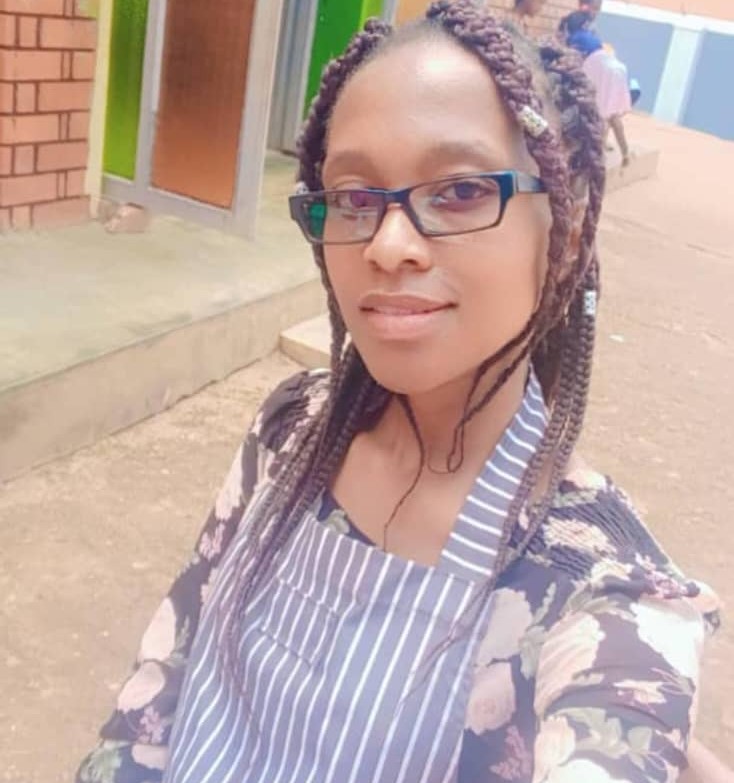
Makindye, Kampala | Patience Natukwasa, 28, is a registered midwife and a mother of one. Among the many people she looks after are her relatives, some of whom live with her occasionally in Mivule Zone, Wabigalo, Makindye East, Kampala.
tndNews recently interviewed her, asking why she chose to establish the Genesis clinic in the ghetto and what challenges she faces.
“People are blind about health services,” she says. Before starting her clinic in April 2023, the Care Medical Clinic employed her. This facility is situated not far away from where her current clinic sits.
“What I was earning based on the work I was doing was not helping me. You know you are a mother; you have to pay bills; you have to look at other people. Me, I love helping where there is an opportunity.”
Natukwasa worked as a chief nurse for her former employer for three and a half years.
When she decided to go her own way and open her own clinic in [for] the ghetto, things were not easy. “It was so challenging because you know the capital. By the time I left [Care Medical Clinic], I was demanding two months’ pay.”
In her community, she observes a lack of understanding of what health entail. When a mother gives birth and is discharged from the hospital, they may not be told to “come back.” “They think people read on their discharge forms, even some are given treatment–but they write ‘medicines are out of stock’.”
Natukwasa tells tndNews that she has interacted with mothers who went to public health facilities to deliver but were not prepared for “what next”. “They think being in Kampala, or near town people are literate, most of them are blind to these health services.”
“The reason as to why I decided to start this clinic in the ghetto is to refer them; there are people having health conditions and we are staying with them; they really don’t know where to go.”
Even for minor services such as family planning, she says, “People do not know.” “When they go to a facility, someone says, ‘give me an injection,’ and they do not understand how injections work.”
She was motivated to open a clinic in a slum after interacting with and treating them at her previous workplace.
For years, she has counseled and treated dozens of patients with minor health issues while referring those with serious health conditions for better management. “There are people who are supposed to go to health centers, there are people who have been coughing for two months; testing for tuberculosis very freely, but they don’t know.”
Through her sensitization and outreach, the ghetto (slum) population has begun to deworm. “People are having worms, and they are in town!” she exclaims, attributing the incident to poor sanitation caused by clogged drainage lines.

According to a February 2023 report by the Network for Active Citizens, inadequate waste management in Kampala’s ghetto communities remains a significant challenge.
Natukwasa emphasizes that the primary reason she chose the ghetto is to raise awareness of health services because people do not know what they are suffering from. “There is a lot of self-medication. The facilities are near, but they don’t know who can talk to them.”
The midwife pokes the Village Health Team for not doing enough to sensitize the local people about the various health services available to them.
On a daily basis, she provides minor health services to about 10 people. Natukwasa counsels those with serious health conditions before referring them to a more appropriate facility.
“I can get mothers who are pregnant and they don’t want to go to hospitals, and they are having their genuine reasons. Maybe someone went there and was harassed, you know, shouted at, and maybe she did not get the services she expected.”
Because Makindye Division has many health facilities, she has advised pregnant women to “make a choice” between risking their lives and the lives of their unborn children.
Studies done in Kampala slums by PSI estimated stillbirth rate to be 43/1000 live births, which is more than double the rate of 19/1000 estimated in rural eastern Uganda.
“Hard month”
Natukwasa describes December as her “hard month in a year,” during which she and other health workers “struggle” to meet the needs of patients. “Here, some people come with shs2,000 and want to get treated. You refer them, but they refuse. They want services but can not pay their bills.”
When Natukwasa decided to refer a “critical” patient to a better medical facility in December of last year, the patient refused. “I cannot leave the person to die, no.”
A community hero
Poor drainage management and clogged trenches, caused by residents dumping garbage in drainage lines, continue to be health hazards. Residents dump their garbage in the drainage lines, and as it rots, children play near it.


When Natukwasa opened a clinic in the area in 2023, the ghetto community welcomed her, and her services have now transformed their lives.
“They were very happy when I came here. Like I have told you, I am not far from my former workplace, so they were very happy.” “You know, when you give what you have to the community wholeheartedly, even if they do not have money, someone comes and says, ‘you referred me.’”
Nakafuma Flavia is a member of the community where Natukwasa runs her clinic. Natukwasa treated Flavia’s sick baby at her clinic one night, and he recovered.
“This clinic has helped; it really provides good care to the patients, and when someone comes in, he or she is cared for on time,” she explains.
Nakafuma accuses the government of failing to raise awareness and improve healthcare services for the poor.
“Sometimes, the VHTs help. Sometimes they find us coughing and provide no medicine; sometimes they give antibiotics.”

Mutambuka Rogers is a 28-year-old ghetto youth. Whenever he is sick, Natukwasa treats him. “She is my good musawo (health worker), and she takes good care of me. She is always available. Whenever I feel like I want treatment, I run to her and she’s ever there for me.”
Mutambuka says he receives treatment despite not having any money and thanks his musawo for his community service. According to him, he has recommended many people for her health service.
“She is friendly, and her first priority is ensuring the client’s well-being before asking for money. “Her prices are favorable to some of us who are poor, as you understand,” he happily tells tndNews.
Services she offers
- Health education
- Counselling
- Assessment and identification of illnesses for management and referrals
- ANC
- Treatment of minor illnesses
Her intents
Natukwasa’s intentions are clear: to transform the ghetto community. She has vowed to continue educating the community about health and explaining why they are experiencing certain health issues.

There are people who want to make money from these people because it is business, she says.
When people come to her and say they are itching, she usually asks, “When did you last deworm?” Some say, “Like five years ago.” I tell them, “First, deworm. If it doesn’t work out, you come back.”
Thankfully, when they return to her, “they are fine.” “The person needed deworming and if they had gone to bigger facilities, they would first maybe do bacterial infection tests because they want some money.”
Growing up
Her family was not wealthy, so they were unable to pay for her to pursue her dream of becoming an obstetrician. She decided to start with a midwifery certificate and work her way up as opportunities presented themselves.
She describes herself as “always the best in class,” but has found it difficult to pursue her dreams. “I wanted to pursue a diploma, but the finances…and then the jobs for medical workers after school, you find when the money is little. Medical courses are expensive here. After school, you have to save some money…”
Natukwasa had been looking for scholarships to improve her academic qualifications, and during the Covid-19 lockdown, she met William James Mugeni while networking and fundraising for former Makerere University Guild President Galogitho Stephen.
James, who is based in the USA, Natukwasa says, introduced her to the education systems there and recently she got admitted for a Bachelor Degree in Nursing.
“Being a woman, I really don’t see the other dream of becoming a medical doctor. I started dropping it and my interest is much more in providing care and I see it is through nursing. I really want to care for patients like I am caring for myself.”
“I want to be an emergency nurse, preferably a flight nurse. So that is the dream now.”
Even though she already has an admission, she finds it difficult to raise the tuition to begin her new academic journey.
Natukwasa is proud of his better half and appreciates the support he has provided her. “He is the one who provided capital for this clinic,” she says, adding, “When I talk about going for further study, you can tell he is willing, but both of our finances are insufficient.”

Discover more from tndNews, Uganda
Subscribe to get the latest posts sent to your email.