Adjumani | The Forum for African Women Educationalists (FAWE), in collaboration with the Mastercard Foundation, has set aside 500 slots for vulnerable students in 51 districts across the country.
The educational support is provided through the seven-year project Second Chance Pathways for Increased Access to Tertiary Education for Marginalised Young Women and Girls.
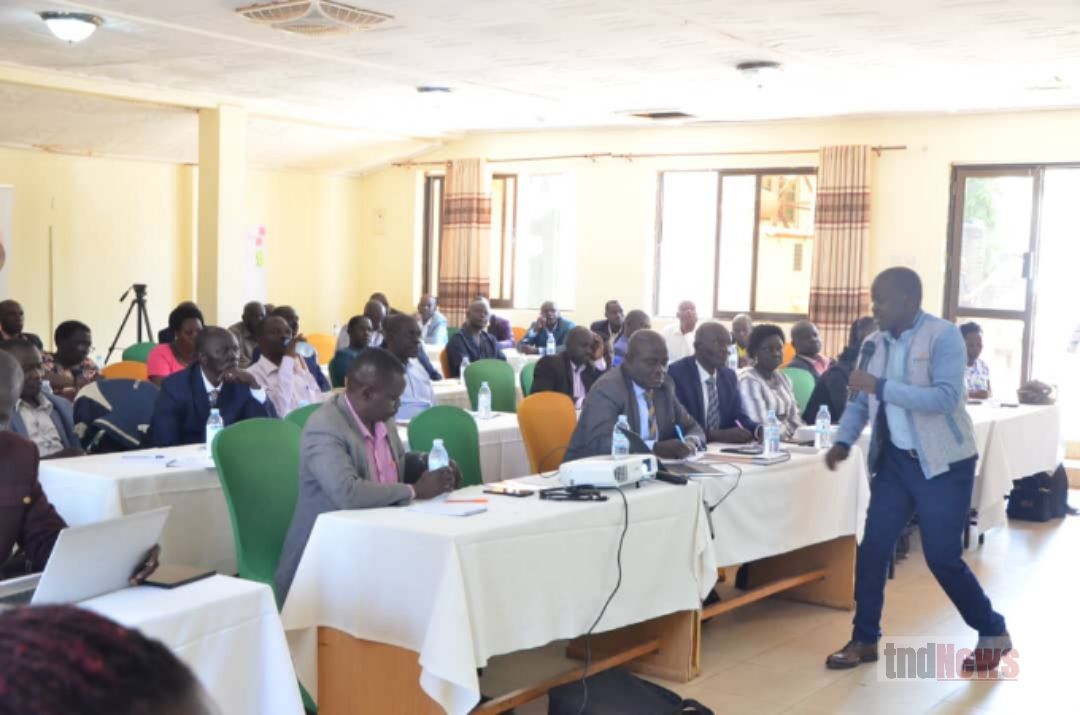
1800 vulnerable and marginalised students, including refugees and people with disabilities (PWDs), will benefit from the project by the time it ends in 2030, according to Joseph Adiama, head of programmes at FAWE.
“This year we are recruiting 500 students, with 80% of the beneficiaries being female and 20% male. We shall also have 10% of the slots going to benefit refugees, 5% of the slots will be for persons with disability,” Adiama said.
He also expressed disappointment that, in recent years, they have implemented a similar project in Adjumani, which benefited 27 students but did not include any students with disabilities.
He added that the phase II programme is an expansion of Uganda’s higher education access programme (HEAP).

Abraham Makuol Manyok, refugee welfare councillor two (II), identified the lack of skills training and opportunities for refugees to study beyond primary seven as the most significant challenges facing refugees.
“Our problems as refugees are daydream problems. The government has done so much for us refugees, all the partners have done their best to offer services. But still, there are gaps in terms of education.
“Most of the refugee children don’t have access to secondary education and tertiary education. I know education is the only offer we shall take home back to South Sudan when we attain peace,” Makuol said.
He urged the government and partners to provide opportunities for skill training to those who have dropped out of school.
Adjumani district chairperson Ben Anyama stated that as FAWE continues to support vulnerable students, there is a need to consider students who graduate from vocational training, particularly those who have studied sciences.
“I know you are only considering science students, this to me will not be an inclusive project. What about people who are doing political science, people doing food science? We also have some social scientists. My appeal is: in the future, let’s design programs to include other beneficiaries,” Anyama said.
Peter Taban Data, Adjumani’s resident district commissioner (RDC), praised FAWE for creating an opportunity for refugees in Adjumani.
Data added that if refugees are not given an opportunity, it will become a security issue.
According to Adjumani’s FAWE project officer, Nancy Asibazuyo, approximately 27 students have already benefited from the scholarship’s first phase and graduated.
She urged the leaders to serve as programme ambassadors in order for the programme to benefit the right people.
Background
FAWE and the MasterCard Foundation have sponsored 334 vulnerable students over the last seven years, with 206 females and 128 males enrolled in the programme.
Since 2017, at least 221, including 135 females and 86 males, have graduated from the programme.
Discover more from tndNews, Uganda
Subscribe to get the latest posts sent to your email.