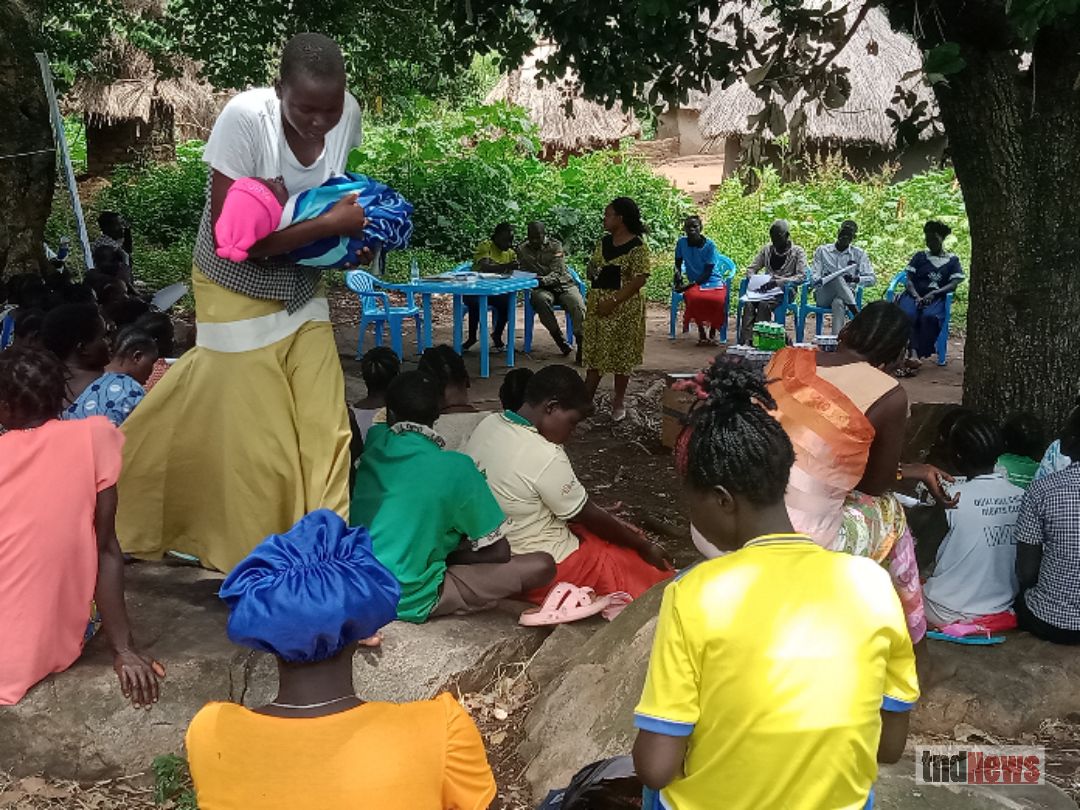
Adjumani | Refugees in Adjumani district have continued to demand that the Ugandan government and its implementing partners support skills training, provide more land for them to dig, and improve health service delivery.
During the belated World Refugee Day celebrations at Mungula refugee settlement in Itirikwa sub-county, Adjumani district, refugee welfare councillor Abraham Makuol Manyok lamented a lack of skills training and adequate land for refugees.
The above, he said, are the most serious challenges that refugees face as a result of a reduced food ratio.
“Our problems as refugees are daydream problems. The government has done so much for us refugees, all the partners have done their best to offer services. But still, there are gaps in terms of education and access to land.
“Most of the refugee children don’t have access to secondary education and tertiary education. I know education is the only offer we shall take home back to South Sudan when we attain peace,” Makuol said.
He urged the government and partners to provide opportunities for skill training to those who have dropped out of school. He also explained that refugees lack access to land, limiting their ability to produce food after the food reduction.
According to Makuol, some of the challenges refugees face include inadequate referral services at health service delivery points, with some dying before reaching.
According to Lilly Aneka Okumu, the head of the Women Empowerment Initiative Centre in the Pagirinya refugee settlement, the rate of illiteracy among refugees, particularly women, remains high due to early marriage and limited access to skills training.
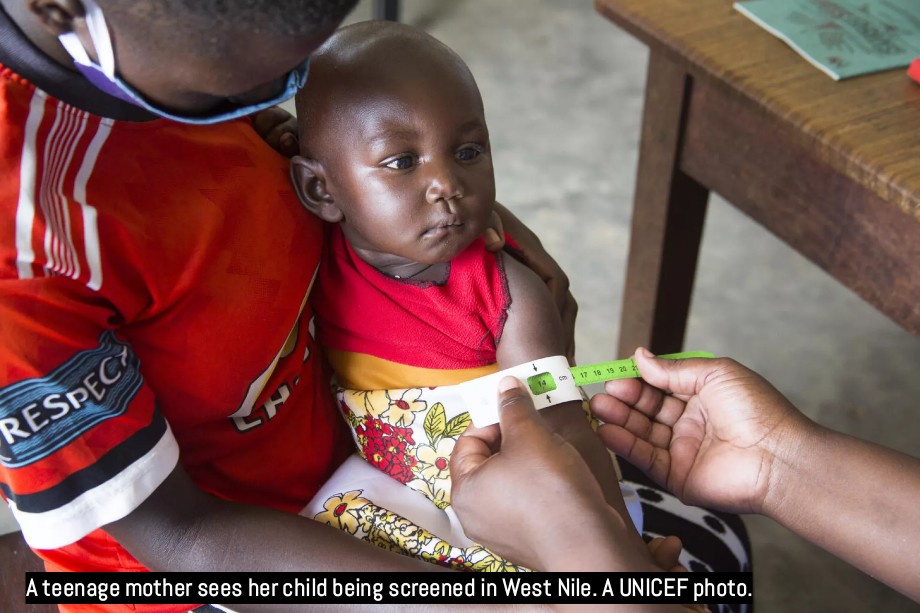
“Out of every 10 women in refugee settlement, only two will be educated and 75% of the refugee women got married at an early age or got impregnated teenagers”
She stated that, while most women are interested in returning to adult literacy and skills training, they were not given the opportunity.
The Forum for African Women Educationalists Uganda Chapter (FAWE), Jesuit Refugee Services, Windle International, and Plan International are among the partners who provide education services during the refugee response.
Nancy Asibazuyo, project manager of the FAWE Uganda said under the Mastercard project, FAWE has opened a window for refugees and nationals to enrol in higher education programs.
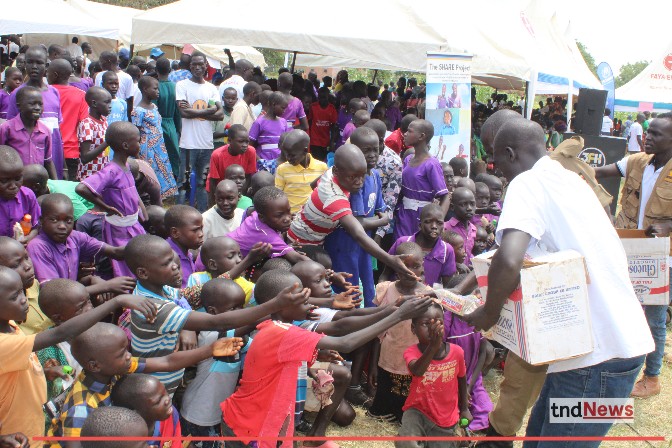
The Sexual Health and Reproductive Education (SHARE) project in Adjumani district is being implemented by the Forum for African Women Educationalists (FAWE-Uganda) in collaboration with Water Aid (WA), Right to Play International (RTP), and FHI 360.
This five-year (2021-2026) gender transformative project advances gender equality and increases the enjoyment of health-related human rights by the most marginalised and vulnerable rightholders, particularly adolescent girls and young women.
“We have opened programs where refugees and nationals can also enrol to do vocational skills training at all levels and in different trades,” Asibazoyo said
Richard Edema, the assistant Chief Administrative Officer, said Uganda implements the Comprehensive Refugee Response Framework (CRRF) and Global Compact on Refugees (GCR), emphasising the inclusion of refugees into national systems, particularly in the education, health, and livelihoods sectors.
He noted that the district has implemented an education response plan designed specifically to address challenges in the education sector, which has helped establish many schools in the refugee settlement.
He further clarified that the district also has a health response plan and an environmental response plan which addresses the challenges of ecological and climate change.
“We have put every system in place in collaboration with OPM, UNHCR, and the implementing partners to ensure quality service delivery is offered to both the refugees and host communities in the same government facilities,” Edema said.
Pascal Ajusi, the deputy Refugee Desk Officer in charge of Adjumani, stated that the OPM is working hard to improve service delivery to refugees by putting in place necessary infrastructure.
She stated that the district has established 13 health facilities in the 19 refugee settlements to provide services to the refugees.
Dereje Mekuriz, a representative from the UNHCR Adjumani office, stated that 14 million people have been forced to flee their countries as a result of wars, and that Uganda, with its open-door policy, is now hosting 1.6 million refugees.
“Right now, refugees need our solidarity more than ever,” he said.
Background
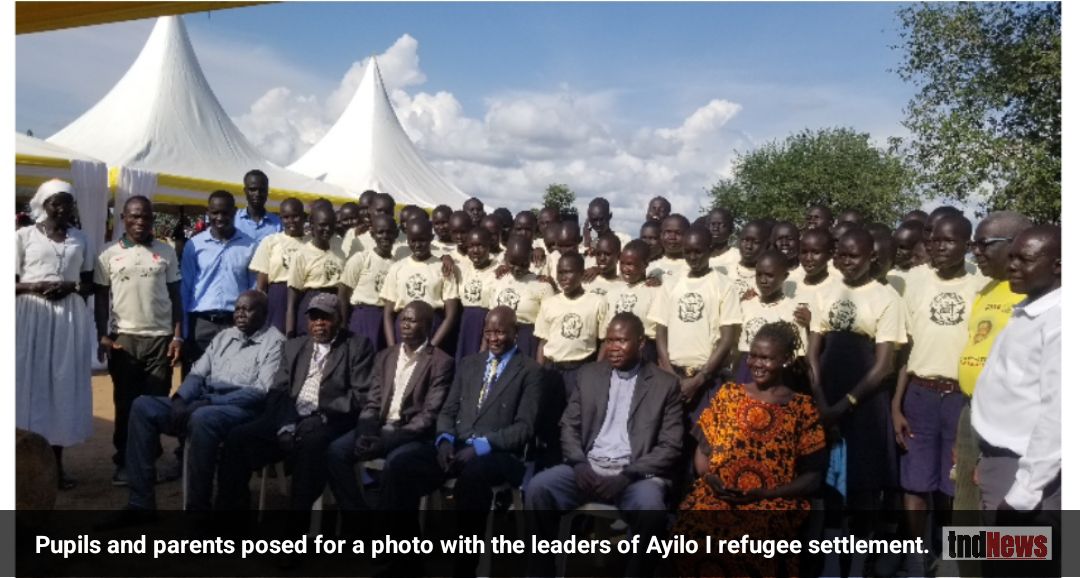
Adjumani district still has 19 refugee settlements that are hosting 222,887 refugees as of May 31, 2024.
Discover more from tndNews, Uganda
Subscribe to get the latest posts sent to your email.