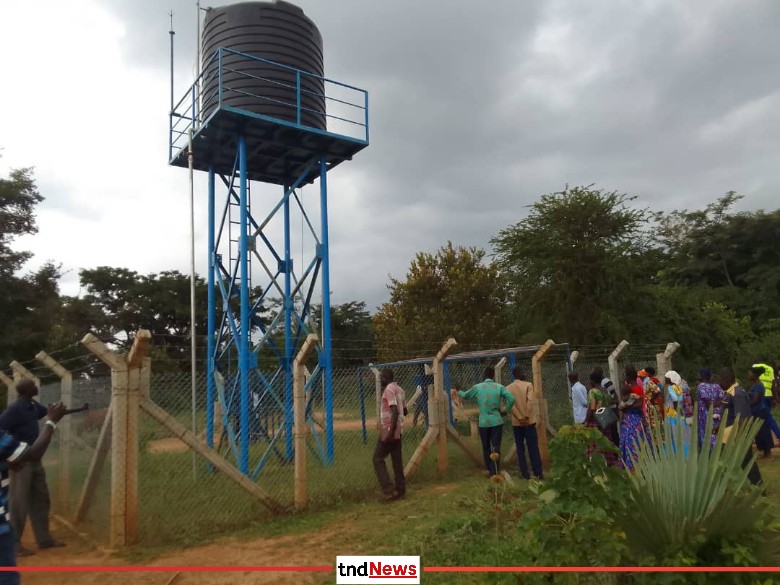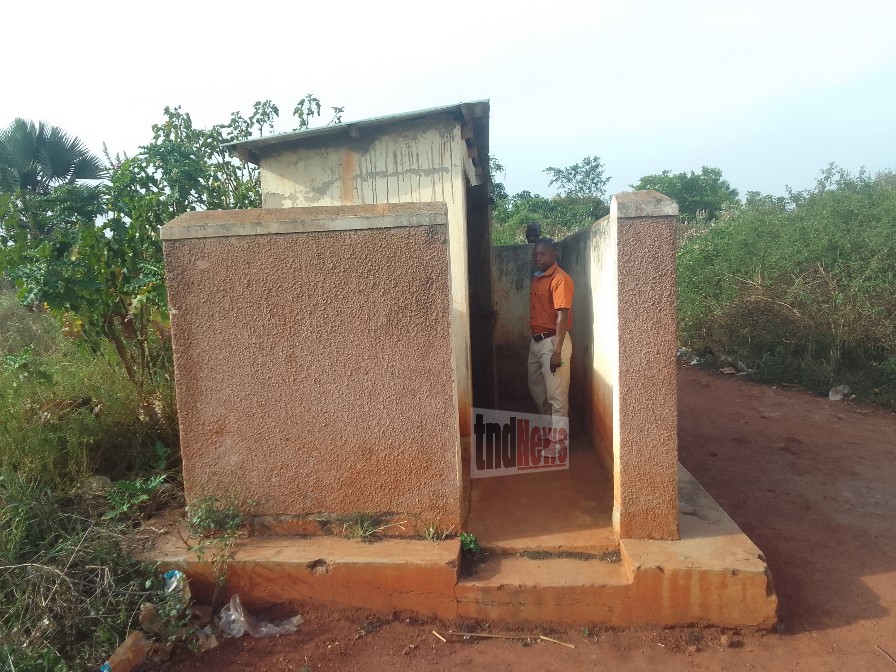
Lira | Water and health are two other basic needs that people have in life. Clean water ensures good health, reducing the burden of treating diseases caused by drinking contaminated water.
Dr. Jane Ruth Aceng Ocero, a Lira City woman Member of Parliament, has decided to provide safe and clean water to the city’s residents in order to ensure their well-being and reduce the costs of disease treatment.
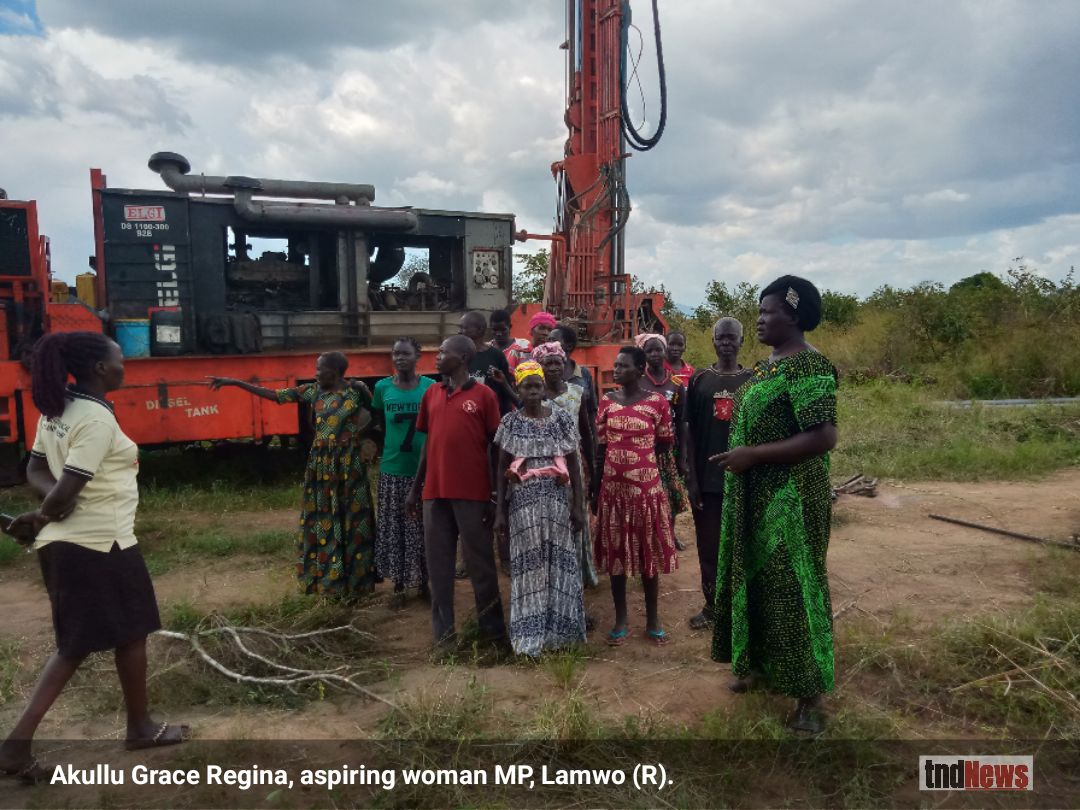
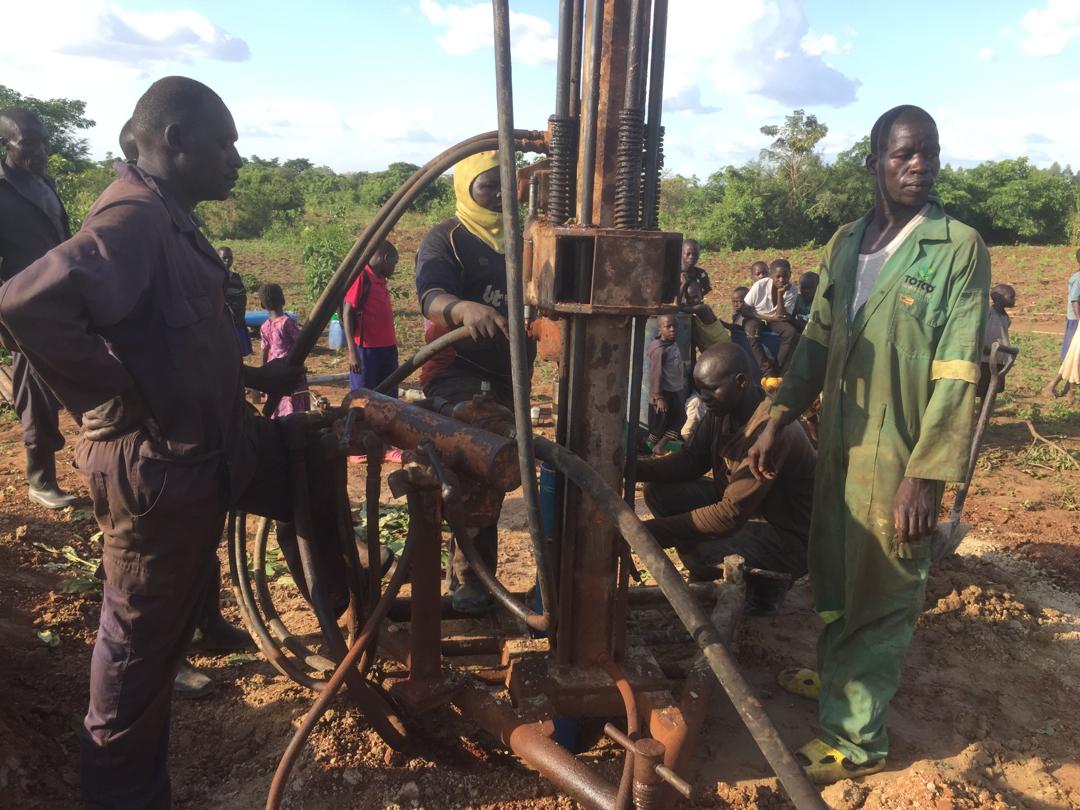
Borehole drilling began on April 22 in ten selected sites with no water coverage by the National Water and Sewerage Corporation (NWSC).
According to a statement from the MP’s office, the sites have been mapped and surveyed.
Iwal will have access to clean water sources. The drilling operation began with Ongura ‘B’.
Atira, Abongoden, Wilela, and Barjwinya in Iwal are also going to be borehole-equipped. The next destinations will be in Ngetta, Adekokwok, and Anai.
Each borehole costs shs25 million, and shs250 million has already been allocated for ten boreholes.
Under Water, Sanitation, and Hygiene (WASH), MP Dr. Aceng and her team prioritised borehole drilling after recognising that women and young children are disproportionately affected by a lack of water.
Also read: Global WASH crisis, Uganda’s attempts to realize SDG6
According to the office of Lira City’s woman MP, women and girls walk long distances to fetch water.
At these water points, people are overcrowded. “People queue to get water, but there are some people who want to skip the queue, which can lead to violence.”
“To promote community health and easy access to water, we will drill boreholes in community lands within Lira City or on land freely offered by the community itself, as well as ensure the boreholes’ sustainability.
“We will form water source committees, which will be trained by the City Council’s Community Health Department to ensure that they take full responsibility for its management.
Also read: Lira City’s Dr. Aceng talks health and household income
According to the World Health Organisation, access to clean water and sanitation and hygiene (WASH) could prevent 1.4 million deaths annually.
Every year, 4,500 children in Uganda die as a result of a lack of access to safe drinking water.
According to Drop4Drop, one-quarter of Ugandans do not have access to clean water, and more than 80% lack adequate sanitation.
The above highlights are reasons why Dr. Aceng, who doubles as the Minister of Health, is coming to address the water problem in the city.
Discover more from tndNews, Uganda
Subscribe to get the latest posts sent to your email.