Is it a genuine political empowerment or a conning strategy to make these categories endorse their own fate?
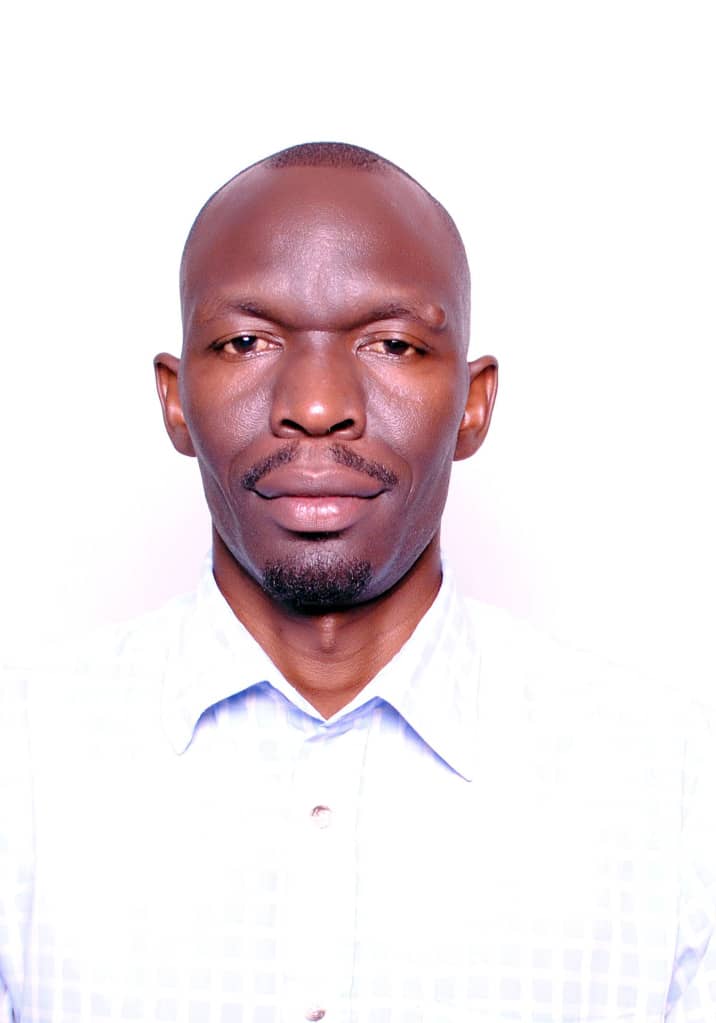
By Patrick Abal
Oyam—September 30, 2020: My own view is that the special interest groups (SIGs): youths, women, persons with disability (PWDs) and now the elderly have inadvertently been lured into a political ambush by allowing a few of them to be in the Parliamentary/Council “crowd” where their influence on governance got diluted and weakened.
Why do I say so? Take a case of youths; what are their key interests? From childhood: good care; good quality education and training and then right to employment in line with training.
Now, with youth representations at all levels of government, are those key interests being catered for? Are our children well cared for? Do they all access good quality education and training? If one is lucky to finish a school or university and graduate, do we have good employment for everyone in line with their trainings? If no, why?
One may say government is not making education its top priority. But at every level of governance, youths are represented, so they also vote for the small funds for education. It’s a case of “you can’t eat your cake and still have it”.
I see the same going for elders….that a few of them should be in that “rogue” Parliament/Council so that when a decision that goes against elders ….like the 80 year threshold to receive this Social Assistance Grants for Empowerment (SAGE), they will already have participated; even when all elders MPs in parliament say “Nay”, so long as Parliament has pronounced “Aye”, they too would have voted for 80 year threshold.
Now, how was government of the 1960s usually castigated for being anti-youth, anti-women and anti-disability because they provided for these appendages—able to programme and achieve quality child care, quality education right from Primary One to University, quality healthcare, a decent employment and quality poverty eradication programmes?
Because their top priorities of being in government were to fight poverty, ignorance and diseases? Even when those elders who used to go to district councils were illiterate and without guidance by youth, women and disability councillors, the policies and programmes they came up with were bafflingly excellent and everyone was happy about them! Now it is corruption; self-aggrandisement, cronyism and more corruption.
One may be very well intentioned as an individual but once one enters that crowd of fuzzy nepotism, cronyism and corruption, I bet you will get lost in there. Soon one resembles the anthill by being near it. You will excuse my pessimism. I would have preferred the youth formed a body to monitor and evaluate from outside so that their “seeing” and verdict won’t be compromised.
In the days of NUYU and NUSU, those youth bodies could authoritatively analyse government policies and programmes and give very sober position to the government. It was grooming ground for nationalist leadership. That’s why late President Idi Amin resorted to killing them because they were being groomed for illustrious leadership and their potential showed early how they would engage government functionaries.
In a similar manner, I would rather love to see the elders came up with their independent assemblies so that they could analyse and comment on government policies and programmes from the outside…like a National, District, Sub-county Elders Assembly. But this being “cocooned” in there, the fates of the various interest groups are sealed. I rest my case.
The writer is a concerned cultural leader; a clan chief of Arak Ongoda under Lango Cultural Foundation.
Discover more from tndNews, Uganda
Subscribe to get the latest posts sent to your email.