In a coordinated effort to address the escalating threat of antimicrobial resistance (AMR), medical authorities and healthcare institutions across India have announced joint initiatives ahead of Clean Hospitals Day, celebrated globally on October 20th.
Grounded in a recent landmark study by the Indian Council of Medical Research (ICMR), which revealed that 38% of intensive care unit (ICU) patients infected with superbugs died within 14 days, Indian medical pioneers are calling for an immediate overhaul of healthcare environmental hygiene (HEH) protocols.
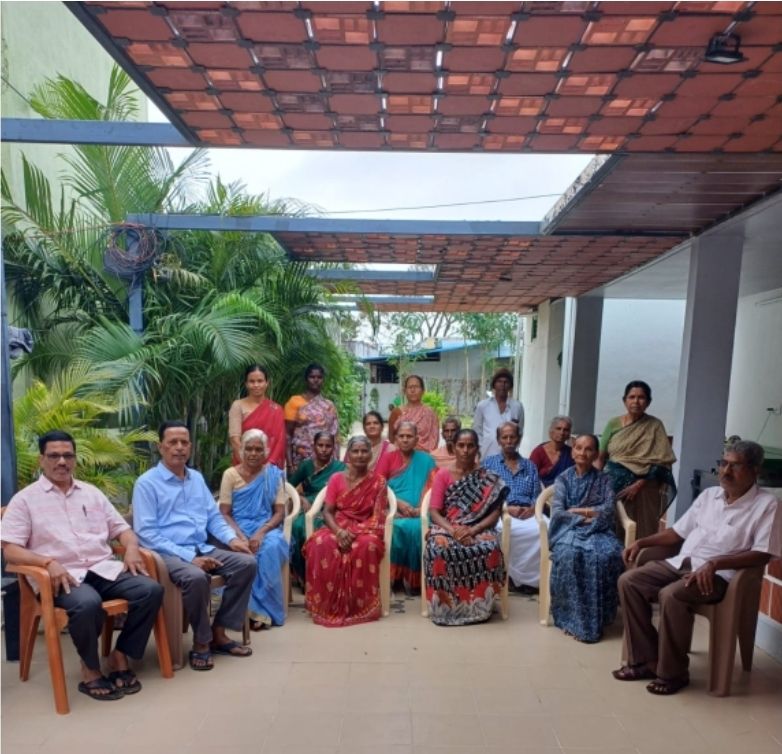
Operating under the global campaign theme of “Empowered Teams, Reduced Risk” premier institutions like Bangalore’s BrainS Super Specialty Hospital and grassroots organizations such as the Pragathi Rural Development Trust in Krishnapuram, Tirupathi district, Andhra Pradesh state – 517151 are leading the charge.
The campaign aims to transform hospital cleaning from a perceived low-skilled chore into a highly recognized clinical discipline of infection prevention and control (IPC).
Critical interventions in advanced clinical care
The high mortality rates associated with drug-resistant pathogens place an immense responsibility on surgical and critical care environments. Indian clinical leaders emphasize that environmental sterility is just as vital as pharmaceutical intervention.
“In neurological surgery, the margin for error is non-existent,” said Dr. N.K. Venkataramana, Founder Chairman and Chief Neurosurgeon, BrainS Super Speciality Hospital, Bengaluru, India.
He said: “When dealing with multi-drug resistant superbugs, our primary shield is a rigorously maintained sterile environment. By empowering our hygiene teams with specialized training, we directly protect our patients from lethal post-operative infections.”
Dr. Pavithra. V, Chief Consultant, Neuroanaesthesia & Neuro Critical Care at BRAINS Super Specialty Hospital, highlighted the operational complexities of maintaining sterile fields.
“Anaesthesia and critical care require absolute vigilance over air and surface quality. Proper surface disinfection and hand hygiene protocols are fundamental pillars that prevent cross-contamination in high-stakes zones, ultimately keeping vulnerable ICU patients safe from environmental pathogens.”
Scaling standards to rural healthcare ecosystems
Recognising that the threat of superbugs extends beyond urban corporate healthcare facilities, the campaign is actively driving structural hygiene frameworks into rural medical centers.
Dr. R. Nagaraja Naidu, Chairman of the Pragathi Rural Development Trust in Krishnapuram, Tirupathi District, Andhra Pradesh, stressed the vital need for standardizing hygiene education in community clinics.
“Maintaining robust hygiene standards in rural districts is our first line of defense against infectious outbreaks. Success relies entirely on equipping ground-level workers with proper technical tools, continuous training, and effective biomedical waste management protocols,” Dr. Naidu stated.
A national blueprint for patient safety
To effectively reduce the 38% mortality rate highlighted by the ICMR, participating institutions are implementing a unified three-pronged approach focused on the frontline workforce:
Standardising technical training: Equipping Environmental Services (EVS) staff with evidence-based knowledge on chemical contact times, pathogen transmission pathways, and targeted microbial disinfection.
Elevating worker dignity: Formally recognizing EVS personnel as integral members of the clinical safety team, ensuring their voices and observations are integrated into daily infection control audits.
Strengthening collaborative audits: Aligning EVS workflows with clinical teams to track, isolate, and eliminate multi-drug resistant organisms before they reach patient bedsides.
Clean Hospitals Day serves as a critical reminder that patient safety cannot rely solely on antibiotics. Through institutional empowerment and standardized training for environmental workers, India’s medical sector aims to build a resilient, infection-free healthcare ecosystem.
Celebrate Clean Hospitals Day and empower the people who make safer, cleaner care possible every single day!
Healthcare environmental hygiene is the foundation of safe care.
The pledge to be taken by Hospital personnel on World Clean Hospitals Day.
To be held under the theme: “Empowered Teams, Reduced Risk,” healthcare leaders vowed:
“We, the healthcare professionals, infection control experts, environmental hygiene specialists, housekeeping heroes, and administrative support teams, stand together today on World Clean Hospitals Day. We solemnly pledge to work as one empowered team to reduce risk and eliminate healthcare-associated infections.
“Together, we commit to strict hand hygiene, flawless environmental cleaning, safe waste management, and proactive hazard reporting. By valuing each department’s role, we unite to build a culture of safety, dignity, and pristine cleanliness for our patients and each other, every single day.”
Discover more from tndNews, Uganda
Subscribe to get the latest posts sent to your email.