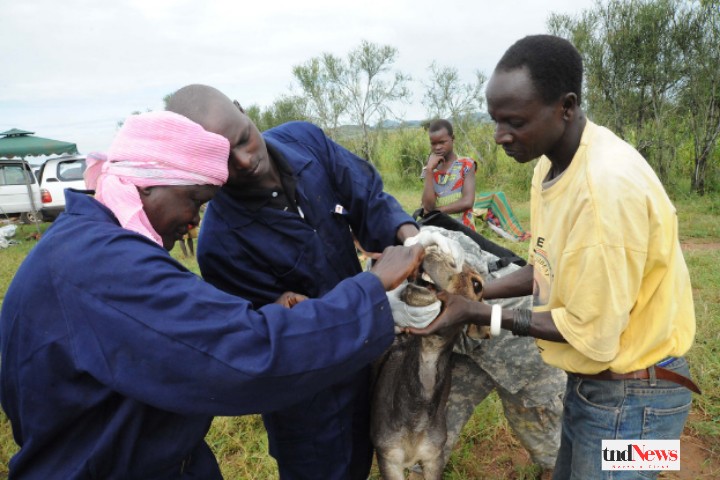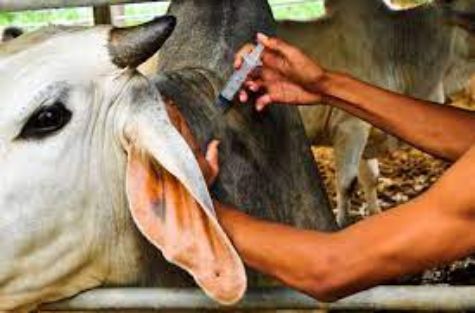
Lamwo district local government is awaiting council approval to implement compulsory livestock vaccination charges aimed at controlling animal diseases and improving livestock production across the district.
The proposed charges include shs5,000 for cattle vaccination and shs3,000 for goats and sheep during the planned district-wide vaccination exercise.
According to Joyce Oyella, chairperson of production, marketing and natural resources, the proposal has already been submitted to the district council for consideration before implementation begins.
Oyella explained that the Ministry of Agriculture, Animal Industry and Fisheries recommend mandatory vaccination fees of shs10,000 for cattle, shs5,000 for goats and sheep, and shs3,000 for dogs and cats.
However, Lamwo district proposed lower charges after considering the economic situation of local farmers.
She noted that the planned vaccination campaign is intended to prevent livestock disease outbreaks, improve animal productivity, and protect the livelihoods of farming communities that depend heavily on livestock keeping.
“The exercise will only begin after approval by the district council and after proper implementation guidelines are put in place,” Oyella said.
District leaders have urged livestock farmers to cooperate with veterinary officers once the exercise begins to ensure healthy animals and increased agricultural productivity.
Meanwhile, the Lamwo district veterinary department has also called on farmers to intensify spraying of livestock against ticks, which are responsible for spreading several dangerous animal diseases.
Veterinary officials warned that tick-borne diseases such as East Coast fever, anaplasmosis, and babesiosis continue to affect livestock production in the district.
The diseases reportedly cause loss of body condition, reduced milk production, poor meat quality, and death of animals in severe cases.
Dr. Stanely Avudraga, the Lamwo district veterinary officer, said many farmers have become reluctant to regularly spray their animals, resulting in increasing cases of tick infestation in several sub-counties.
“We are appealing to all livestock farmers to take responsibility for the health of their animals. Regular spraying is the most effective way to control ticks and prevent the spread of deadly diseases,” Dr. Avudraga said during an interview with tndNews, Uganda at the district headquarters.
He warned that failure to control ticks leads to major economic losses for farmers and reduced quality of livestock products. Dr. Avudraga further noted that some tick-borne diseases are zoonotic and can also pose risks to human health.
The veterinary department, working together with local leaders and extension workers, has since launched community awareness campaigns to educate farmers on proper tick control practices.
The campaign focuses on the correct use of acaricides, recommended spraying intervals, and rotational grazing methods aimed at reducing tick populations.
Farmers have also been encouraged to report signs of disease early and seek professional veterinary services instead of relying on unverified traditional treatment methods.
Some farmers welcomed the district initiative but appealed to the government to subsidize veterinary drugs and equipment to make disease control more affordable.
“We want to protect our animals, but acaricides are expensive. If the government can support us with affordable or free drugs, it will be easier for farmers to comply,” said Okullu Moris Hallan, a farmer from Madi Opei sub-county.
The veterinary department has pledged continued collaboration with farming communities to ensure livestock in Lamwo remains healthy, productive, and profitable for households that rely on animal farming for survival.
Discover more from tndNews, Uganda
Subscribe to get the latest posts sent to your email.