For years, residents of Pader district have travelled long distances to seek specialised medical care, a challenge local leaders say underscores the urgent need for the district’s own hospital.
Although Pader has several health facilities, it remains one of the districts in northern Uganda without a district hospital, forcing patients requiring emergency surgery, specialist treatment or advanced diagnostic services to seek care in neighboring districts such as Gulu, Kitgum and Lira.
The issue has resurfaced as district leaders continue to press the government to fulfil a long-standing commitment to establish a district hospital.
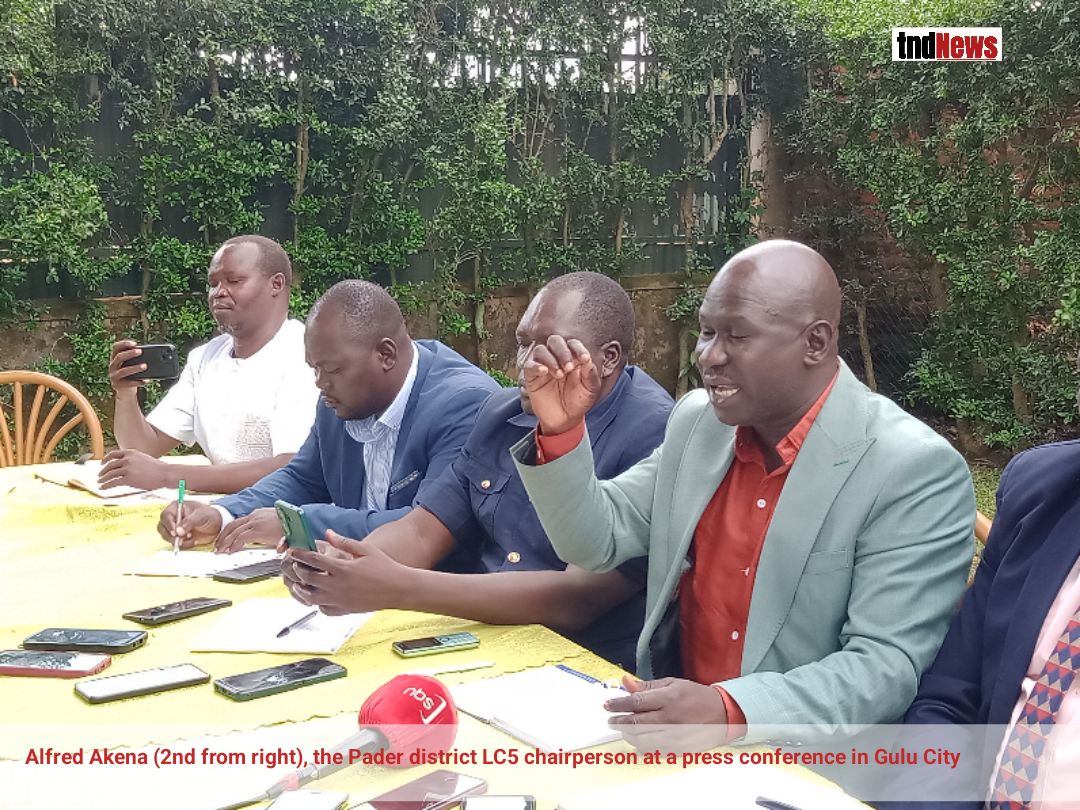
Pader district chairperson Alfred Akena, says the absence of the facility continues to strain healthcare delivery and places unnecessary burdens on families, particularly those living in remote rural communities.
According to Akena, the district currently depends largely on Health Centre IV facilities, which provide important medical services but have limitations in handling complex emergencies and specialised cases.
He said many patients are referred elsewhere for treatment, resulting in delays that can be costly both financially and medically.
“Pader has no district hospital despite a long-standing presidential pledge. This has continued to affect healthcare because our Health Centre IVs cannot manage many emergency and specialised cases,” Akena said.
He urged the government to prioritise the construction of the hospital, arguing that improved health infrastructure is just as critical as investments in roads, education and other public services.
Health experts note that district hospitals play a vital role in Uganda’s healthcare system by providing inpatient care, emergency surgery, specialist consultations, laboratory services and referral support that go beyond the capacity of lower-level health facilities.
Without such services nearby, patients often spend additional time and money travelling to regional referral hospitals, sometimes delaying treatment during medical emergencies.
For residents, the challenge is not only about access but also affordability. Jane Aber, a mother of four from Pader town council, said transport costs often discourage families from seeking timely medical care.
“When someone needs treatment that our health centers cannot provide, we have to borrow money for transport to Gulu or Kitgum. Sometimes the patient waits because the family cannot raise the money immediately,” she said.
Community members say the impact is greatest on pregnant mothers, accident victims and patients requiring surgery or specialised care.
Okello Denis, a boda boda rider, believes a district hospital would save lives by bringing essential services closer to the people.
“Many emergencies happen at night when transport is difficult. Having a district hospital here would reduce referrals and help people receive treatment much faster,” he said.
Healthcare advocates also argue that establishing a district hospital could strengthen the local health system by attracting more medical specialists, expanding diagnostic services and improving maternal and child healthcare.
In addition to serving Pader residents, a hospital could ease pressure on regional referral facilities that receive patients from several districts across northern Uganda.
The renewed appeal comes as Government and development partners continue investing in road infrastructure within the district, including the rehabilitation of community access roads under the Rural Development and Food Security (RUDSEC) Project.
Local leaders say while improved roads make it easier for people to travel, stronger investment in healthcare facilities is equally important to ensure residents can access quality medical services closer to home.
Sarah Aceng, a farmer from Puranga dub-county, said development should address multiple community needs simultaneously.
“Good roads help us take our produce to the market, but when people fall sick they still struggle because there is no district hospital. We need both roads and better health services,” she said.
As Pader continues to grow in population and demand for healthcare increases, district leaders say the establishment of a district hospital remains one of the area’s most pressing development priorities.
For many residents, fulfilling the long-awaited pledge would not simply mean constructing another public building. It would represent improved access to lifesaving medical care, reduced referral costs and greater confidence that quality healthcare is available close to home.
Discover more from tndNews, Uganda
Subscribe to get the latest posts sent to your email.