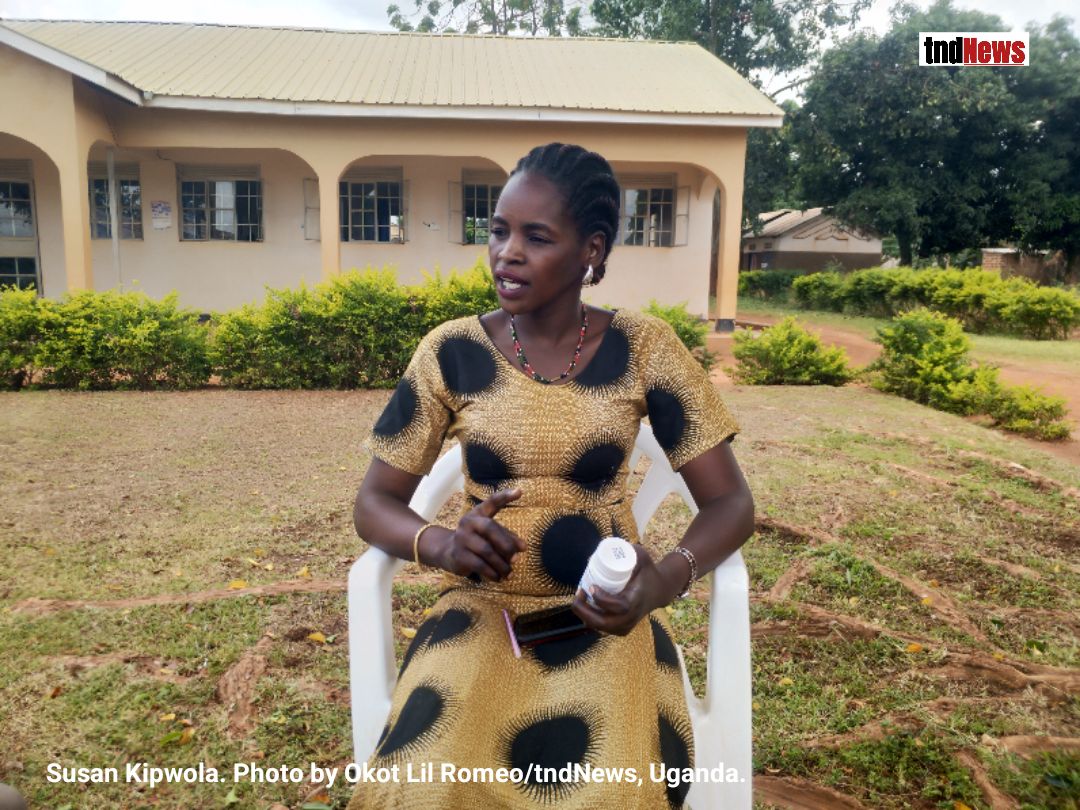
Gulu | Uganda-Five years ago, Susan Kipwola stood in front of a classroom teaching children.
And today, she spends her days moving through communities in Gulu City, encouraging young people, sex workers and other high-risk groups to protect themselves from HIV using long-acting injectable pre-exposure prophylaxis (PrEP).
Her career change was driven by both personal experience and growing concern over rising HIV infections among adolescents and young women.
“I saw many young girls getting involved with older men without knowing their HIV status and I knew I had to leave teaching and help people understand that HIV prevention is possible,” Susan says.
The 28-year-old single mother now works as a Community Linkage Facilitator (CLF) at Aywee Health Centre III in Laroo-Pece Division, where she educates communities about injectable PrEP, dispels myths surrounding HIV prevention and links vulnerable people to treatment and prevention services.
Susan taught professionally for six years before her marriage collapsed after discovering her husband had multiple sexual partners, exposing her to the risk of HIV infection.
“I decided to leave the marriage because I feared for my health,” she recalls.
Her personal experience strengthened her determination to help others avoid similar situations.
She was among the first 40 people selected to pilot injectable PrEP in Gulu City and later became one of 30 peer trainers educating communities about HIV prevention.
Before switching to injectable PrEP, Susan had used daily oral PrEP for two years and later tried the vaginal PrEP ring.
“I wanted something longer-lasting and more reliable and the injectable PrEP gave me confidence because it doesn’t require taking pills every day,” she explains.
Besides her work in HIV prevention, Susan also runs a small market business to support her family.
Fighting myths and misinformation
Despite growing awareness, Susan says misinformation remains one of the biggest barriers to PrEP uptake.
“Many people still do not understand what injectable PrEP is, while some believe it causes infertility or other health problems,” she says.
She estimates that about 50 people seek injectable PrEP services at her health facility every day, with many clients being adolescent girls, young women and sex workers.
Susan is calling on the government to recruit more Community Linkage Facilitators to strengthen HIV awareness campaigns.
“We are too few to reach everyone and communities need accurate information if we want HIV prevention to succeed,” she says.
She also wants injectable PrEP to be made available in more Health Centre IIIs to reduce referrals and improve access.
Health workers in Gulu say HIV prevention efforts continue to face significant challenges despite wider availability of PrEP.
Dr. Ayaa Mary Stella, Senior Medical Officer in Charge of Bardege Health Centre III, says many people at risk are still not using HIV prevention medication.
“PrEP can reduce the risk of HIV transmission through sexual intercourse by about 99 percent when used correctly,” she says.
However, Ayaa explained that PrEP does not protect against other sexually transmitted infections.
Between January and May 2026, Bardege Health Centre III enrolled 497 people on PrEP, most of them aged 25–34 years and adolescents aged 14–18.
During the first quarter of 2026, the facility assessed 114 eligible clients for PrEP, but only 52 were enrolled, representing an uptake rate of 45.6 percent.
The health centre serves between 1,000 and 1,400 patients every month.
Dr. Stella urged young people to avoid risky sexual behaviour noting that many young girls fear pregnancy more than HIV yet unprotected sex can expose them to both.
Gulu still carries a heavy HIV burden
According to Florence Amito, HIV focal person for Gulu City, HIV prevalence remains at about 9 percent, down from 11 percent but still above Uganda’s national average of about 7 percent.
Between January and March 2026 alone, the city recorded approximately 480 new HIV infections despite PrEP services being available across health facilities.
She says 96 percent of people diagnosed with HIV have been enrolled on treatment, while 89 percent have achieved viral suppression.
However, HIV programmes continue to face funding challenges following reductions in donor support.
“We lost many community support workers after funding cuts by U.S.-supported NGOs and that has affected follow-up services for clients on treatment,” Amito says.
She adds that integrating HIV services into general outpatient care has helped reduce stigma that previously discouraged patients from seeking treatment.
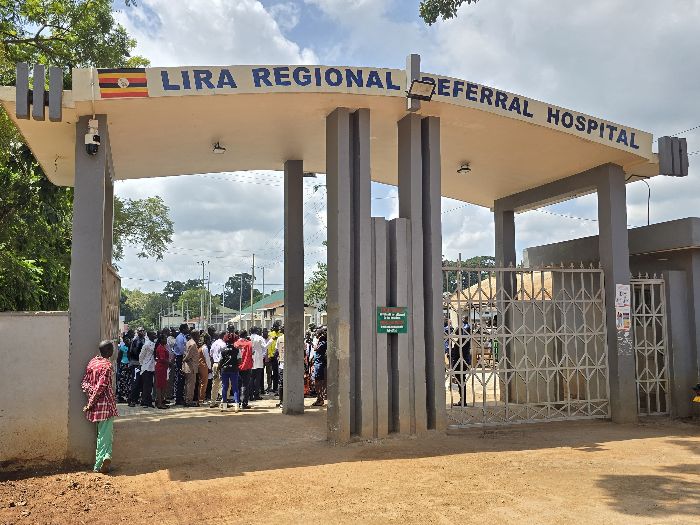
Gulu Regional Referral Hospital has recently received an additional 80 doses of injectable PrEP (Lenacapavir), bringing its total stock to 120 doses.
Health workers say demand continues to exceed supply and are urging the government to increase distribution to health facilities across northern Uganda.
Currently, Gulu City has more than 22,400 people living with HIV.
Women account for nearly two-thirds of infections, with men representing about one-third, while children account for approximately one percent.
In addition, the growing interest in injectable PrEP follows new guidelines issued by the World Health Organisation after the approval of Lenacapavir as a long-acting HIV prevention option.
WHO says the medicine offers a transformative alternative to daily oral PrEP by providing long-lasting protection against HIV infection.
The global health agency estimates that about 1.3 million people acquired HIV worldwide in 2024 despite major advances in treatment and prevention.
Globally, an estimated 40.8 million people are living with HIV, with nearly two-thirds residing in Africa.
WHO is encouraging governments to rapidly integrate long-acting injectable PrEP into national HIV prevention programmes alongside expanded HIV testing and community-based service delivery.
This story was supported by the Health Journalism Network Uganda (HEJNU) through Health Café for journalists in Gulu City.
Discover more from tndNews, Uganda
Subscribe to get the latest posts sent to your email.