Lamwo district leaders have urged newly elected sub-county administrations to prioritise the titling of government land, warning that delays in securing ownership documents continue to hinder the construction of administrative offices and other public infrastructure needed to improve service delivery.
The call was made by the Deputy Chief Administrative Officer (DCAO), Samuel Jones Laguu, during the swearing-in ceremonies of newly elected leaders across the district’s sub-counties. He said land titling remains one of the most important requirements for attracting government investment in administrative infrastructure.
According to Laguu, several newly operational sub-counties in Lamwo are still operating without permanent administration blocks because the land earmarked for government facilities has not yet been formally titled.
“The government cannot invest public funds in permanent structures where ownership of land has not been legally secured,” he said. “Land titling is therefore not just an administrative process; it is the foundation upon which future development projects can be built.”
The challenge has become increasingly evident as the district continues to expand administrative units in an effort to bring services closer to the people.
While the creation of new sub-counties has improved access to local leadership and government programs, many offices continue to operate from temporary facilities that limit efficiency and service delivery.
Laguu explained that the absence of permanent administrative offices affects not only working conditions for civil servants but also the coordination of government programs, storage of official records, and the overall quality of services offered to residents.
“Administrative infrastructure plays a critical role in governance,” he said. “Leaders need functional office space where they can plan, coordinate activities, and effectively serve the public.”
He further encouraged newly elected leaders to work closely with district authorities, area land committees, and communities to ensure that government land is properly documented and protected from encroachment.
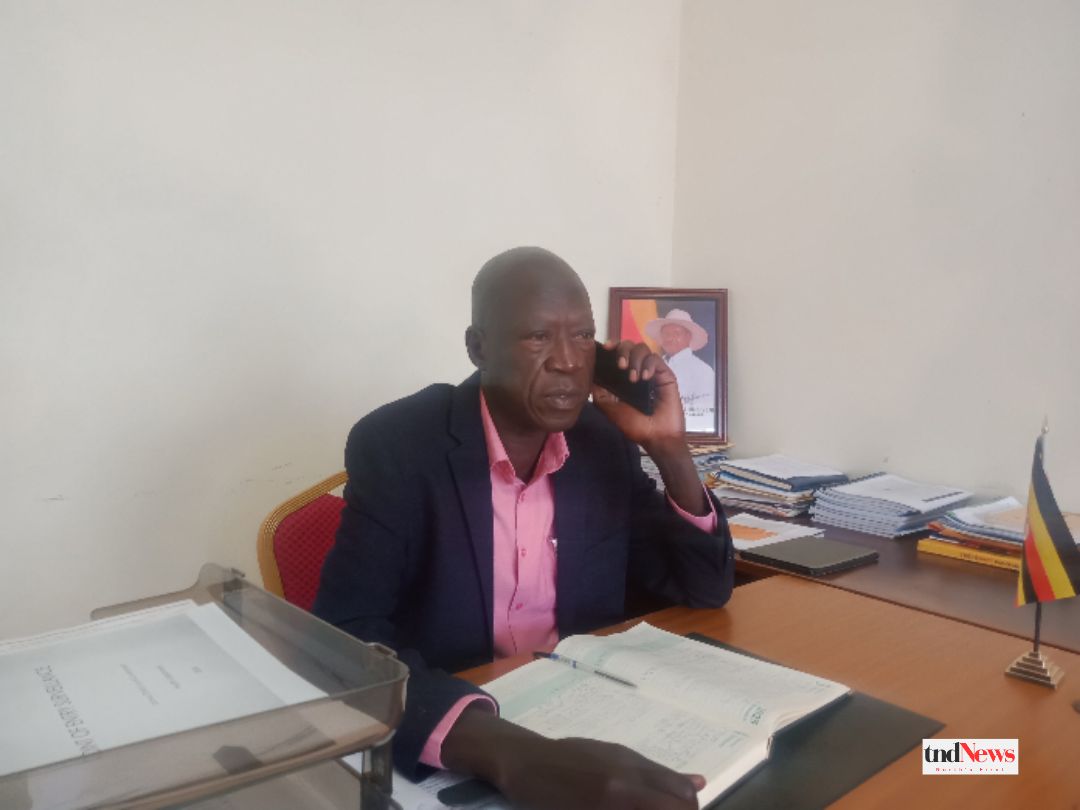
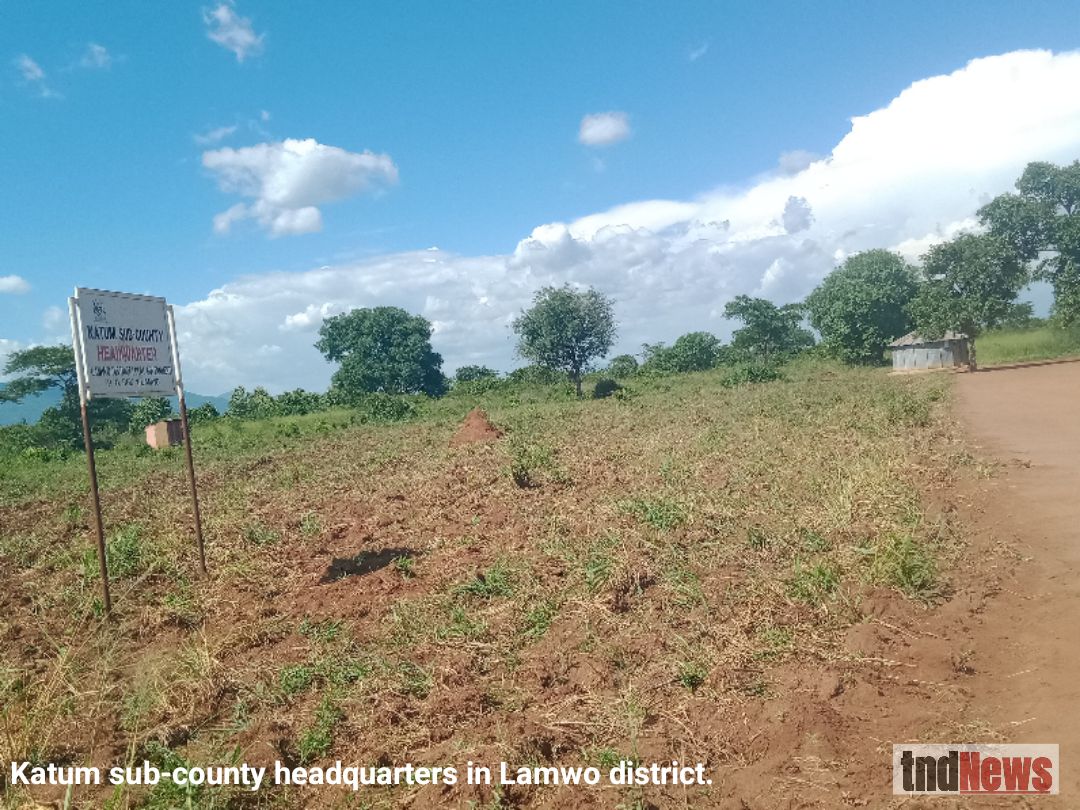
The appeal was welcomed by Katum sub-county LCIII chairperson Ocen Edward, who described inadequate office space as one of the major challenges affecting local administration.
According to Ocen, the sub-county currently operates from a temporary structure that is both congested and uncomfortable for staff and members of the public seeking services.
“Our office is currently operating from a small uniport that becomes extremely hot during the day and is not conducive for effective work,” Ocen said. “We fully support the district’s call for land titling because it will pave the way for the construction of a proper administration block that can adequately serve our people.”
Ocen said much as the sub-county has the land title for the administration block, other institutions haven’t had the land titles. He pledged to work with district officials, local leaders, and residents to ensure that the process of securing ownership documents for government land is fast-tracked.
Lamwo district council speaker, Doris Abalo said local governments must treat land titling as a development priority if they are to improve service delivery and strengthen governance structures.
“Communities are demanding better services, but quality service delivery requires proper infrastructure,” Abalo said.
“When government land is properly titled, it becomes easier to attract funding for administrative buildings, staff houses, and other public facilities that support development.”
She noted that permanent government structures not only improve efficiency in public administration but also strengthen public confidence in local institutions.
“People feel the presence of the government when services are delivered from well-established and accessible facilities. It is important that we create an environment where leaders and civil servants can effectively serve the community,” she added.
Meanwhile, Ocen James, a councillor representing Katum sub-county, said local leaders have a responsibility to mobilise communities to support efforts aimed at securing and protecting public land.
“Government land belongs to the people and should be safeguarded for future generations,” Ocen said. “When ownership is clearly documented, the government can confidently invest in projects that directly benefit communities.”
He observed that permanent administrative offices would improve coordination between leaders and residents while creating a more conducive environment for planning and implementing development programs.
Ongwech Simon Peter, a resident of Katum sub-county, said permanent offices would make it easier for citizens to access government services and engage with local leaders.
“When leaders operate from proper offices, people gain confidence in the services being offered,” he said. “It also creates a better environment for solving community problems.”
Similarly, Akor Joanita, a local businesswoman, believes improved administrative infrastructure would strengthen service delivery and reduce inconveniences faced by residents.
“People come to the sub-county for documents, meetings, and government services,” she said. “A modern office would make these services more accessible and efficient.”
Development experts have long argued that administrative infrastructure forms the backbone of effective local governance. Beyond providing office space, permanent government buildings create an organized environment where planning, monitoring, and implementation of development programs can take place efficiently.
In Lamwo, where communities continue to recover from years of displacement and underdevelopment, strengthening local government institutions remains a key pillar of socio-economic transformation.
District leaders believe that once government land is properly titled, it will become easier to secure funding for administration blocks and other public facilities that support service delivery.
Discover more from tndNews, Uganda
Subscribe to get the latest posts sent to your email.