Lamwo district local government has approved a budget of shs38,540,551,000 billion for the financial year 2025/2026.
In the new budget, administration and education, and sports sectors will receive the largest allocations of shs11,494,303,000 and shs11,025,111,000, respectively.
The budget, which was approved by the council to cater for all key sectors within the district, also allocates significant funds to health, roads and engineering; water, natural resources, production and marketing.
Other sectors and departments are finance and planning, council and statutory bodies, community-based services; internal audit, planning unit, and trade, industry, and local development.
The breakdown of key allocations is as follows: health shs7.4 billion, roads and engineering shs2 billion, water shs1 billion, natural resources shs447.2 million, production and marketing shs1.6 billion
Others are finance and planning shs263.1 million, council and statutory bodies shs980.9 million, community-based services shs1.5 billion, internal audit shs103 million, planning unit shs310.4 million; trade, industry, and local development shs119.9 million
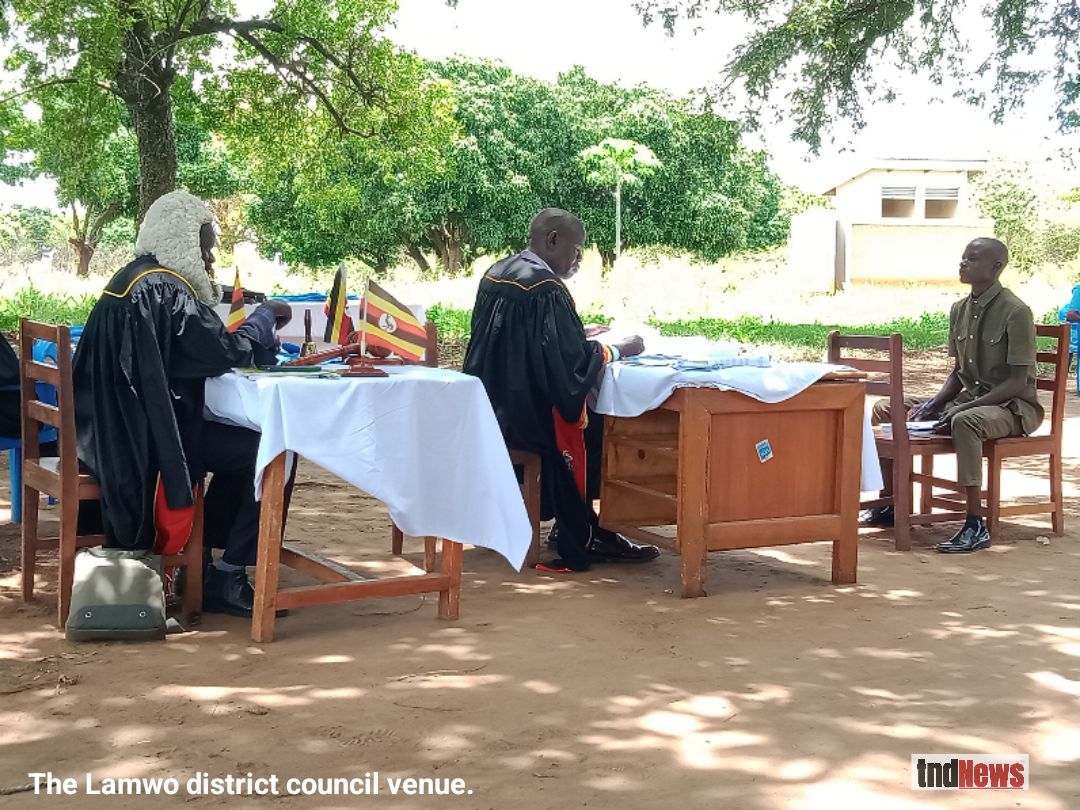
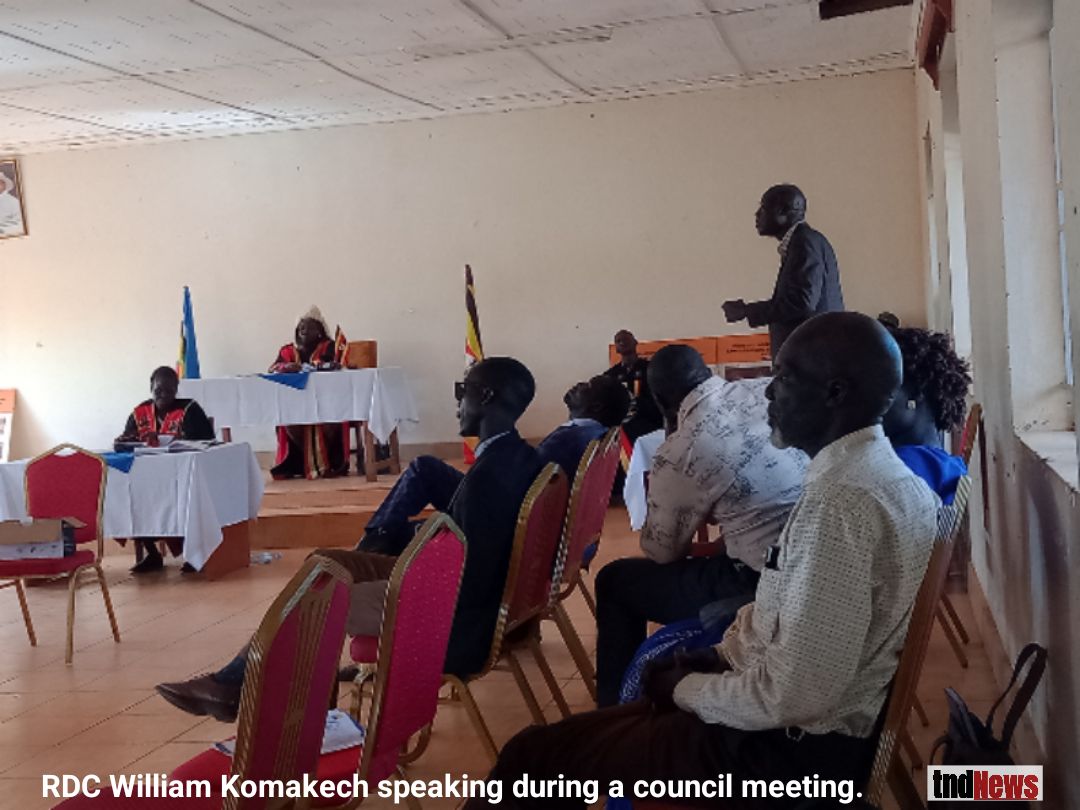
While presenting the budget during a council meeting on Tuesday, June 10, David Odongmadiki, secretary for finance, planning, and administration, stated that funding will come from four major sources: wages and salaries, non-wage recurrent, development expenditure, and donor (external financing).
According to Odongmadiki, the district expects to receive shs15.5 billion under wages and salaries, shs12.6 billion from non-wage recurrent, shs8.1 billion for development expenditure and shs2.1 billion from donors.
He emphasized that, in accordance with the Constitution and the Local Government Act Cap.138 Section (1), the budget must balance an objective that has been achieved with both revenue and expenditure proposals in harmony.
“This budget is guided by the Constitution and the Local Government Act, which require that all local government budgets must be balanced. We have made sure the revenues and expenditures are aligned,” said Odongmadiki, who also serves as the district vice chairperson.
Locally generated revenue is projected at shs456 million, representing 1.2% of the total expected revenue. Sources of this local revenue include: Sale of district properties/assets, property tax, market dues, physical planning fees, animal/crop-related levies, other fees and charges, business registration, miscellaneous income, local service tax, land fees, rentals and application fees.
Odongmadiki, who also serves as the vice chairperson of Lamwo district, affirmed the district’s commitment to financial responsibility and service delivery as laid out in the approved budget framework.
Anna Aciro, female councilor five for Paloga sub-county, expressed concern about the low allocation to youth-related programs.
“While we appreciate the focus on education, the youth sector under trade and local development remains underfunded. We need more investment in vocational training and entrepreneurship to tackle youth unemployment.”
Erwondo Peter Fred, councillor for Agoro sub-county and also secretary education, health and community based services praised the education allocation but urged for transparency in implementation:
“The shs11 billion for education and sports is commendable, but we must ensure that the funds reach the ground. Some schools in rural areas still lack basic facilities.”
Beatrice Akello, a resident of Madi Opei, shared her hope for improved health services: “I’m happy to hear that health has been prioritized with shs7.4 billion. I hope this money will improve the services at our health centers, especially maternal care.”
Richard Okumu, a boda boda rider in Padibe, raised concerns about road infrastructure: “Two billion for roads sounds good, but we hope it’s not only for major highways. Feeder roads in the villages are in terrible shape and need urgent attention.”
The budget now awaits full implementation across all sectors, with the district leadership pledging close monitoring and accountability.
“We are committed to ensuring that every shilling is used effectively. Service delivery remains our top priority,” added Odongmadiki.
Discover more from tndNews, Uganda
Subscribe to get the latest posts sent to your email.