A renewed push for unity among leaders in Lamwo district is gaining momentum, with local authorities turning to a traditional Acholi dialogue platform as a tool for resolving differences and accelerating development.
The Resident District Commissioner (RDC), William Komakech, has urged political, technical, cultural, and religious leaders to set aside their disagreements and work collectively for the benefit of the people.
According to Komakech, cooperation among leaders is critical not only for good governance but also for improving service delivery and ensuring that government programmes achieve their intended impact.
Speaking during a stakeholders’ meeting at the district council hall on Monday, the RDC expressed concern that persistent divisions among leaders have slowed progress and undermined development efforts in the district.
“Development can only be achieved when leaders work together towards a common goal, thus, unity and teamwork are essential if we are to improve service delivery and transform the lives of our people,” Komakech said.
His remarks come at a time when residents are increasingly demanding better roads, improved healthcare services, quality education, and greater economic opportunities and many believe stronger coordination among leaders is essential to addressing these challenges.
Komakech noted that leadership wrangles and a lack of cooperation often divert attention from issues that directly affect communities.
“When leaders are divided, service delivery suffers, and development programmes take longer to produce results,” he said.
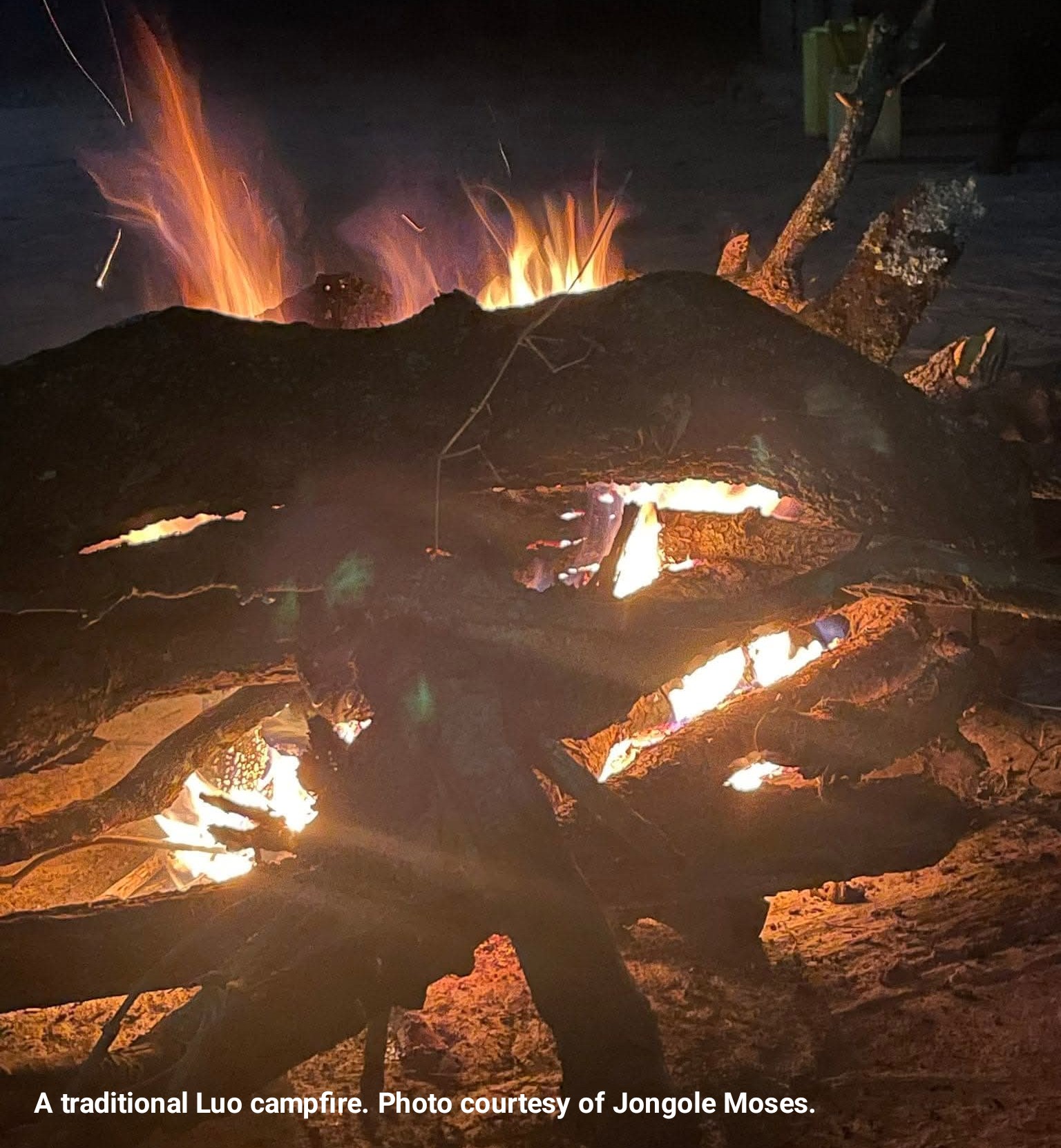
To rebuild trust and strengthen collaboration, Komakech has proposed reviving Wang Oo, a traditional Acholi dialogue forum whose name literally translates as “the fireplace.”
For generations, Wang Oo has served as a gathering place where elders, families, and community members discuss challenges, resolve disputes, share wisdom, and seek collective solutions.
In Acholi culture, the fireplace symbolizes unity, openness, and shared responsibility.
Komakech believes the same spirit can help mend divisions among leaders and create a stronger foundation for development in Lamwo.
“We shall soon convene a Wang Oo involving all stakeholders so that we can discuss the challenges affecting the district and find collective solutions and our objective is to foster unity and ensure that service delivery reaches the people,” he said.
The proposed dialogue is expected to bring together political leaders, technical officers, cultural institutions, religious leaders, civil society representatives, and community members and the organizers hope the forum will encourage frank discussions while fostering consensus on key development priorities.
The initiative has already won support from several district leaders who view it as a timely intervention.
Lamwo district chairperson Oyet Sisto Ocen described the proposal as both necessary and commendable, saying meaningful progress can only be achieved when leaders work together regardless of political or institutional differences.
“This is a commendable initiative and we need to put aside our differences and focus on the interests of the people we serve and the Wang Oo dialogue should be implemented as soon as possible,” Ocen said.
District speaker Doris Abalo also welcomed the initiative, noting that dialogue remains one of the most effective ways of building trust and promoting collective action.
She emphasised that leadership should be driven by a commitment to serving communities rather than personal interests and said the planned engagement offers leaders an opportunity to renew their dedication to the district’s development agenda.
For many residents, the proposed Wang Oo dialogue represents more than just a meeting of leaders and it signals a return to cultural values rooted in listening, reconciliation, and community-driven problem-solving.
As Lamwo pursues social and economic transformation, many believe stronger cooperation among leaders could unlock the district’s full development potential.
Whether through formal governance structures or traditional forums such as Wang Oo, the message emerging from district leaders is clear: sustainable development depends on unity, trust, and a shared commitment to serving the people.
If successful, the initiative could provide a model for strengthening leadership cohesion and promoting inclusive development in districts facing similar governance challenges across the country.
Discover more from tndNews, Uganda
Subscribe to get the latest posts sent to your email.