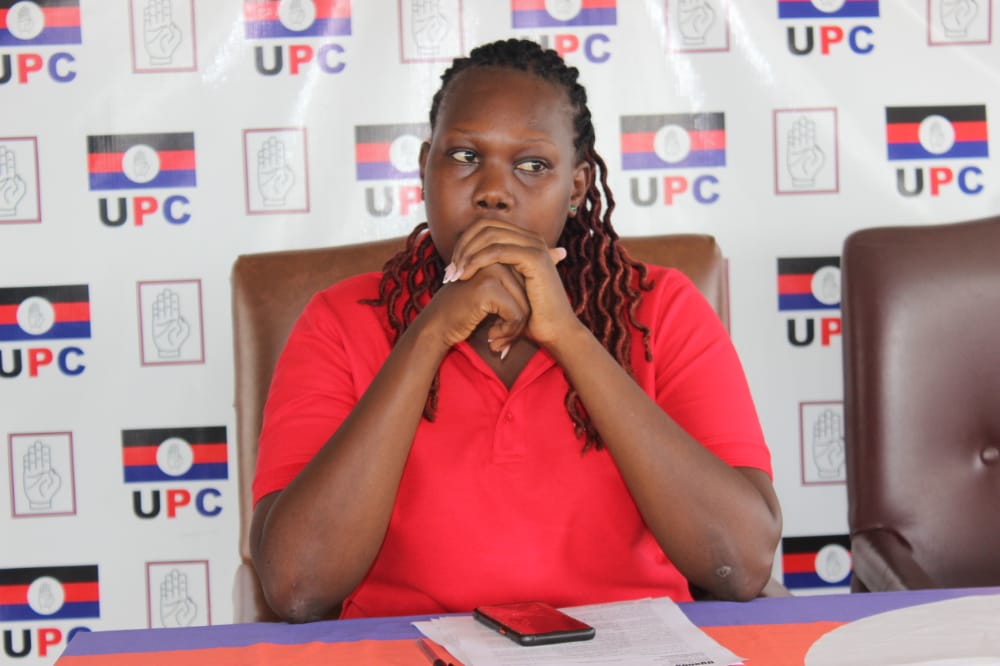
The Uganda Peoples Congress (UPC) on Wednesday May 6 expressed its deep concern following the passing of the Sovereignty Protection Bill, 2026 by the Parliament of Uganda on May 5, 2026.
UPC says they remain a steadfast defender of Uganda’s independence, constitutional order, and national sovereignty.
“…we believe that this legislation, in its current form, risks undermining the very objectives it claims to protect,” the party, through head of media and communications, Muzeyi Faizo, said.
He added: “The UPC therefore respectfully calls upon His Excellency President Yoweri Kaguta Museveni, pursuant to Article 91(3)(b) of the Constitution of the Republic of Uganda, to withhold assent to the Bill and return it to Parliament for further scrutiny, wider consultation, and reconsideration.”
Sovereignty must strengthen Uganda, not isolate
Faizo says Uganda’s sovereignty cannot be secured merely through restrictive legislation.
True sovereignty, UPC says, is built upon:
● strong national institutions,
● economic resilience,
● constitutional legitimacy,
● public trust and;
● the prosperity and dignity of our people.
While Uganda has a legitimate right to protect itself from unlawful external interference, the current Bill contains broad and ambiguous provisions that may unintentionally:
● criminalize legitimate international engagement,
● discourage investment and economic cooperation,
● undermine academic and civil exchange,
● and create uncertainty within Uganda’s financial and legal environment.
“At a time when Ugandans are already facing rising living costs, high borrowing burdens, unemployment, and growing economic pressure, Uganda must avoid policies that risk weakening investor confidence, reducing economic opportunity, or increasing isolation from regional and global markets.”
Constitutional and democratic concerns
UPC is concerned that several provisions within the Bill may conflict with constitutional principles relating to legal certainty, proportionality, freedom of association; freedom of expression and Uganda’s obligations under international treaties and conventions to which our country is a signatory.
Laws touching on national sovereignty and national security must be clear, narrowly defined, and capable of fair and consistent application, UPC urged.
Ambiguity in such legislation risks misuse, selective enforcement, and unnecessary tension within society, the party added.
Established precedent for presidential review
The President has previously exercised his constitutional responsibility by returning legislation to Parliament where further clarification, technical refinement, or wider consultation was required.
This has occurred in relation to the Anti-Homosexuality Act (2023), the Minimum Wages Bill (2019) and the NSSF Amendment Bill (2021).
UPC respectfully submits that the Sovereignty Protection Bill similarly requires careful reconsideration before assent.
In making the bill, UPC calls for national dialogue involving Parliament, political parties, civil society; legal scholars, religious leaders, the business community and other national stakeholders to ensure that any law concerning Uganda’s sovereignty protects national interests.
Such law must remain constitutionally sound, aims at safeguarding democratic freedoms, and supports Uganda’s long-term economic and diplomatic stability.
“Uganda must never confuse isolation with independence, nor legislation with strength. Durable sovereignty is secured through national unity, constitutional legitimacy, economic confidence, and strong institutions that command the trust of the people,” Faizo warned.
Discover more from tndNews, Uganda
Subscribe to get the latest posts sent to your email.