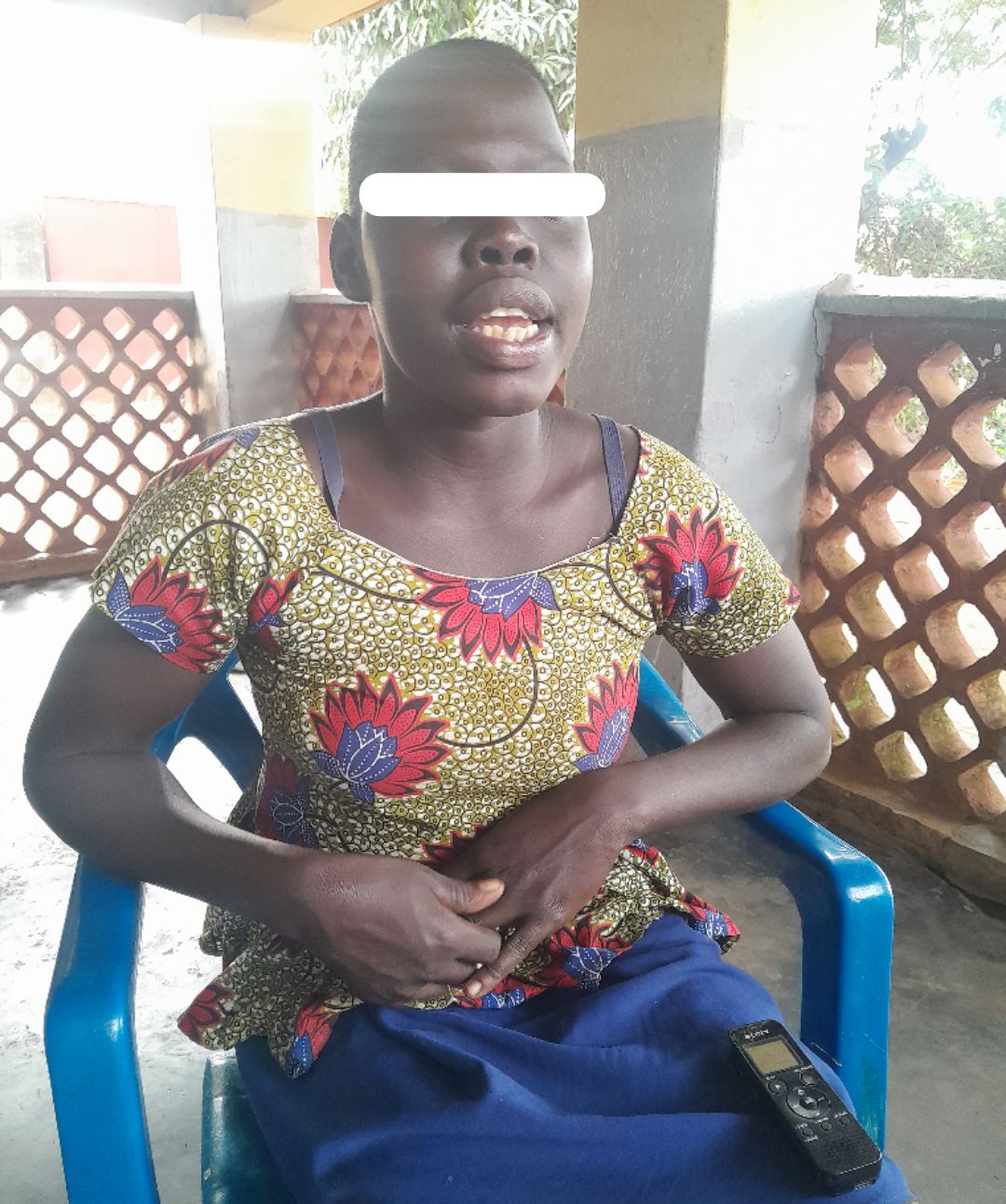
For Prisca Akello, a resident of Abangangeo village, Acaba sub-county, Oyam district, life changed irrevocably when she became a mother at 16.
Prisca says she conceived in 2023 while working as a domestic helper in Kampala. The father, a young Munyankole man, abandoned her during the pregnancy and had disappeared by the time she delivered toward the end of 2024.
Unable to cope in the city, Prisca returned to her family home in Oyam district, expecting support. Instead, she encountered hostility, primarily from her mother.
“I persevered and gave birth. But all the time my mother could abuse me and my child. She accused me of producing at a tender age. I had to leave for Lira City for casual work that could help me take care of me and my child,” she recalls.
In Lira, luck and resilience combined. Prisca found work caring for an elderly relative who does not pay her wages but provides food, shelter and basic necessities.
She supplements that in-kind support by digging other people’s gardens for daily pay about shs5,000 or more depending on the plot size and uses the money for emergencies, clothes and seeds for a small kitchen garden the elderly woman gave her.
Prisca’s story is far from unique. It reflects the hidden reality facing many adolescent mothers across Uganda. Abandonment by partners, strained or hostile family relationships, precarious casual labour, and a societal tendency to punish rather than protect young mothers.
Today, Prisca advises other young women to learn from her experience and avoid rushing into intimate relationships.
Legal context and the scale of the problem Under Ugandan law, a girl under 18 who becomes pregnant or gives birth is classified as a child mother and is entitled to protection, care and support.
However, sexual activity with anyone under 18 is criminalised as defilement under Section 129 of the Penal Code, a felony punishable by life imprisonment regardless of claimed consent.
Official statistics underline the magnitude of the problem. According to the Uganda Police Force annual crime report for 2025, 10,492 defilement cases were reported, down from 12,312 in 2024. Of those reported in 2025, 7,019 were classed as simple defilement and 3,473 as aggravated.
Victims were overwhelmingly female juveniles (10,328), alongside 128 male juveniles and 37 female adults. The report also highlights especially vulnerable circumstances: 191 children were defiled by HIV‑positive suspects, 94 by teachers and 65 by guardians.
Regional trends vary. North Kyoga or what is known as Lango sub-region recorded 109 cases in the latest national breakdown, while Rwenzori West registered the highest regional total at 225.
Some improvement has been recorded in parts of the country: North Kyoga Regional Police reported 227 defilement cases in January–March 2024 compared with 162 for the same period in 2025, a drop of 65 cases.
However, authorities warn of seasonal fluctuations and a worrying rise in early-2026 figures.
Prof. Dr. Richard Nam, clan head of Okii Amat and second deputy Prime Minister at the Lango Cultural Foundation, says traditional leaders enforce strict procedures for marriage requiring birth and baptism certificates and condemn marrying off underage girls.
“Like in my clan, we are against marrying a young girl. I believe that is what other clans are doing to give opportunities to girls to study,” he said, adding that clan officials who preside over underage marriages face discipline.
Rev. Jimmy Francis Odongo, Youth and Children Ministry Coordinator for Lango Diocese, says laws exist but perpetrators are not always held to account. He warns that forced early marriage often leads to domestic breakdown and street living
“Our society needs to respect the laws in place against early marriage and the implementers of those laws too need to act so that we protect our children.” He advocates church-based education on abstinence and the value of schooling.
Parents and teachers point to poverty, large household sizes and economic incentives as root causes. Esther Acio, a parent from Iceme sub-county, says some families marry off daughters to reduce the cost of caring for many children.
Primary school teacher Geoffrey Odwongo adds that financial dependence on older partners, and the influence of so-called “sugar daddies” and “sugar mummies,” push girls out of school and into unsafe relationships.
The North Kyoga Regional Police PRO, SP Jimmy Parrick Okema emphasises that defilement is a criminal offence and insists police are investigating and arresting suspects.
He cautions that underreporting and case compromise within families remain obstacles: some relatives resolve matters privately rather than involving law enforcement, making investigations difficult.
SP Okema urges communities to report defilement to police promptly and not to handle such cases solely through local leadership structures.
Prisca’s experience from abandonment and family abuse to precarious work caring for an elderly relative illustrates how adolescent pregnancy intersects with poverty, weak social protection, and law-enforcement gaps.
Stakeholders recommend a combined response: stronger enforcement of existing laws, community education, support programs for adolescent mothers, economic empowerment initiatives and family planning and sexual education to prevent further tragedies.
Without coordinated action, many more young girls may find themselves raising children in an environment that judges them harshly but offers too little practical support.
Discover more from tndNews, Uganda
Subscribe to get the latest posts sent to your email.