Authorities in Lamwo district have intensified efforts to address persistent cross-border insecurity following a high-level meeting with officials from South Sudan’s Eastern Equatoria State, amid growing concern over cattle theft and recurring attacks along the Uganda–South Sudan border.
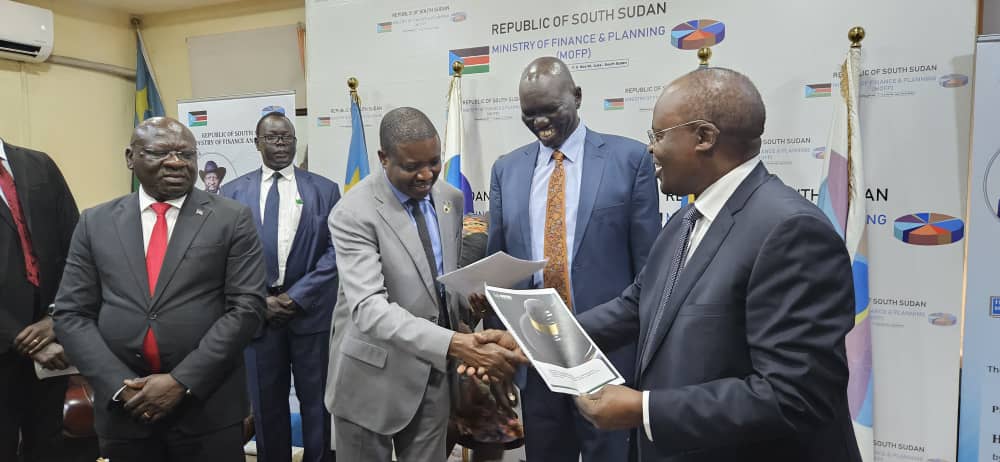
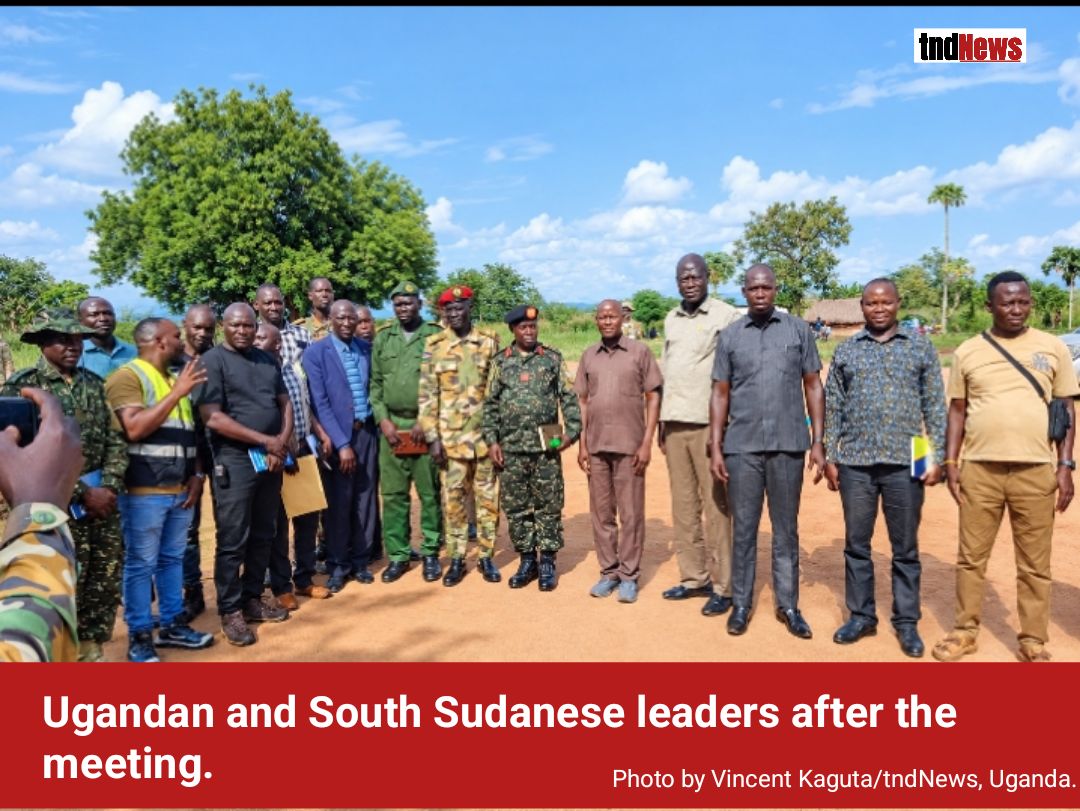
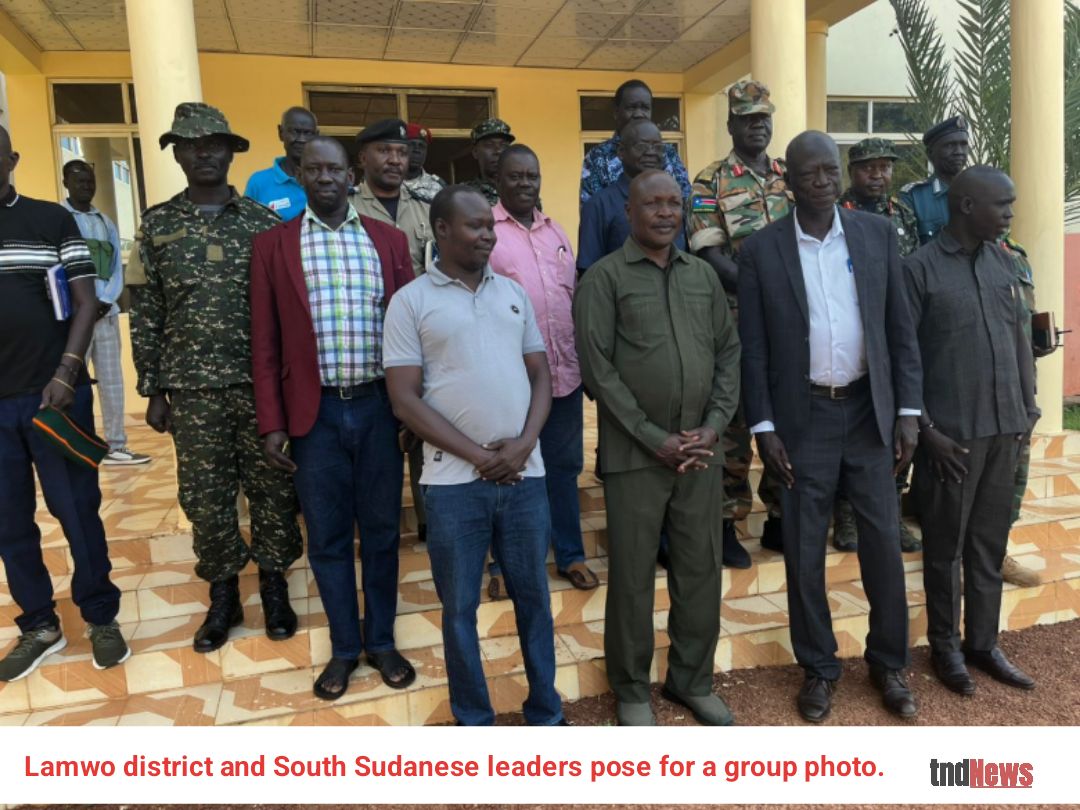
The Ugandan delegation, led by Resident District Commissioner William Komakech and Lamwo LC5 chairperson Oyet Sisto Ocen, travelled to Torit, the capital of Eastern Equatoria, where they held talks with Governor Louis Lobong Lojore and his security team on Friday, April 10.
The meeting focused on finding lasting solutions to cattle raids, strengthening border security, and promoting peaceful coexistence among communities living along the porous frontier.
The engagement comes against the backdrop of a long history of cross-border cattle rustling and insecurity that has plagued communities in northern Uganda, particularly in Lamwo district.
For years, residents in sub-counties such as Agoro, Madi Opei, and Palabek have suffered repeated raids believed to be carried out by armed groups crossing from South Sudan.
These incidents have often resulted not only in the loss of livestock but also in injuries, displacement, and heightened fear among local populations.
In recent months, the situation has escalated, with Lamwo officials reporting two major cattle raids in Agoro Hills earlier this year. On January 15, unknown raiders attacked local communities and made off with 98 head of cattle.
Less than two weeks later, on January 27, another raid saw 74 cattle stolen under similar circumstances. Authorities believe the stolen animals were driven across the border into Ikwoto County in Eastern Equatoria State.
Despite efforts by security forces, only 24 of the stolen animals have so far been recovered, leaving dozens of affected households struggling to rebuild their livelihoods.
In northern Uganda, cattle are not only a source of income but also a symbol of wealth and social security, making such losses devastating for families.
Speaking after the meeting, RDC William Komakech emphasised the urgency of cross-border cooperation in tackling the vice.
He noted that the primary objective of the engagement was to ensure that all stolen cattle are traced and returned to their rightful owners while preventing future incidents.
“We engaged the governor to ensure that all the stolen cattle are traced and returned. Security and cooperation at the border must be strengthened to avoid further incidents,” Komakech said.
LC5 chairperson Oyet Sisto Ocen highlighted measures already taken by Lamwo district to curb the raids, including the closure of porous border points in Agoro and the temporary suspension of cross-border trade with affected areas.
He explained that these actions, though difficult for local traders, were necessary to safeguard communities and compel accountability.
“These measures are meant to safeguard our communities and push for accountability until all stolen cattle are returned,” Ocen stated.
Security officials also underscored the importance of joint operations and intelligence sharing between Uganda and South Sudan.
The Commander of the UPDF 5th Division, Col. Gai Mpandwa, called for a coordinated approach to dismantle criminal networks operating along the border.
“There is a need for coordinated action and intelligence sharing between security forces on both sides to eliminate criminal activities along the border,” he said.
On his part, Governor Louis Lobong Lojore welcomed the Ugandan delegation and acknowledged the seriousness of the situation. He described the meeting as “timely” and reaffirmed his government’s commitment to restoring peace and stability in the region.
“We are going to cooperate fully to ensure that the animals are returned to Uganda. If those responsible refuse to comply, we shall be forced to take firm action to recover the cattle,” Governor Lobong assured.
The Uganda–South Sudan border, particularly in the Acholi sub-region, has remained vulnerable due to its vast and often unmonitored stretches, which make it easy for criminals to cross undetected.
Weak law enforcement presence in some remote areas and the availability of small arms in parts of South Sudan have further complicated efforts to contain the problem.
Local leaders and residents have repeatedly called for stronger bilateral mechanisms, including regular joint patrols, community sensitization programs, and the establishment of clear communication channels between security agencies on both sides of the border.
The latest meeting in Torit is being viewed as a critical step toward enhancing collaboration and rebuilding trust between the two regions.
If implemented effectively, the resolutions reached could pave the way for improved security, the safe return of stolen livestock, and the restoration of normal economic activities along the border.
For now, affected communities in Lamwo remain hopeful that the renewed commitment by both governments will bring an end to the cycle of raids and allow them to live and work in peace.
Discover more from tndNews, Uganda
Subscribe to get the latest posts sent to your email.