The Iteso Cultural Union (ICU) has called on its long-standing partner, the Land and Equity Movement in Uganda (LEMU), to strengthen efforts in protecting customary land rights across Teso as communities continue to face land grabbing and ownership disputes.
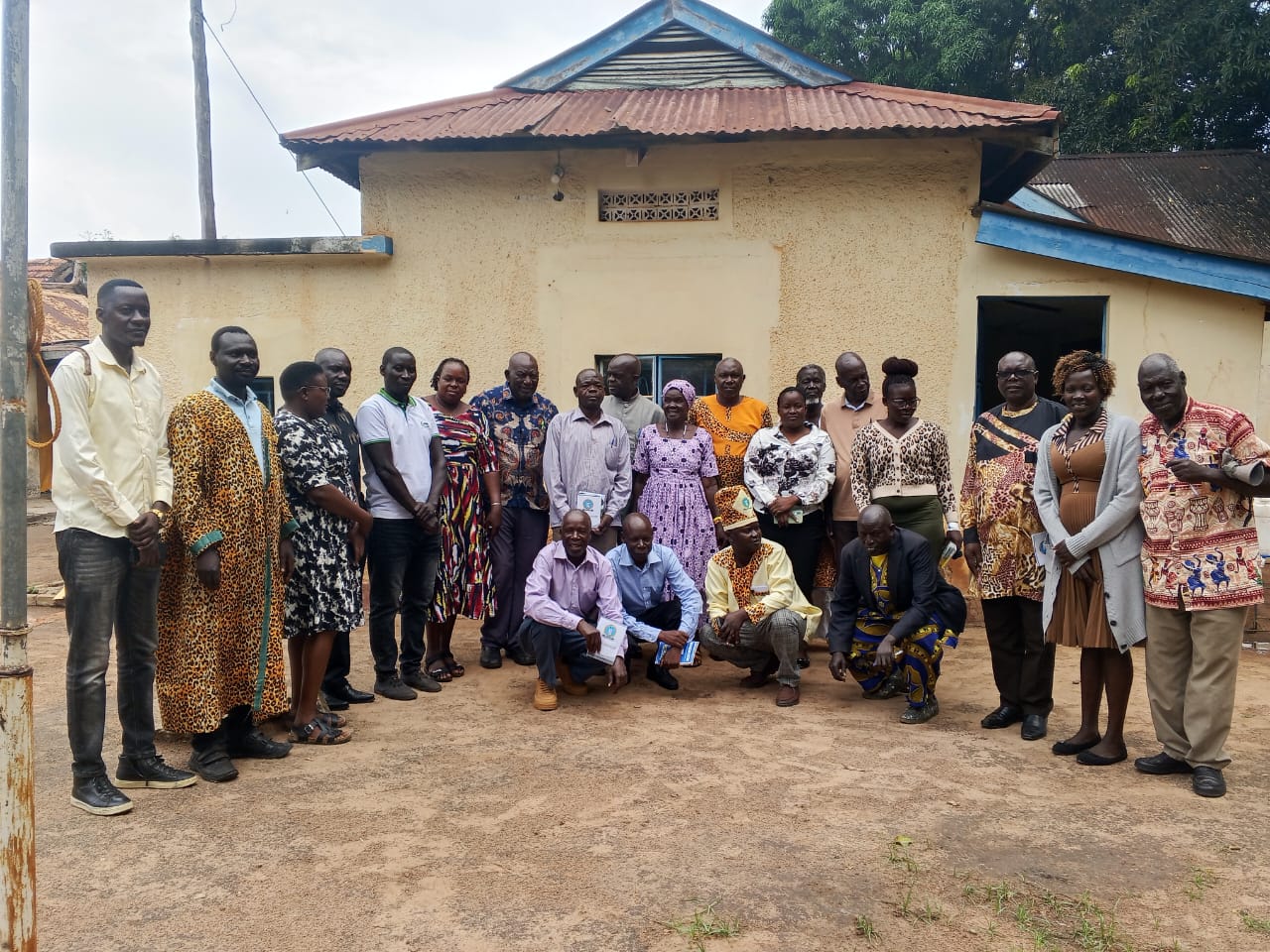
The call was made during a re-engagement meeting between ICU and LEMU, aimed at renewing their partnership and revisiting joint efforts initiated in 2009 to safeguard customary land through the Principles, Practices, Rights and Responsibilities (PPRR) book, a community guide first developed in 2003.
Speaking at the meeting on Friday February 6 at ICU offices, ICU Minister for Lands emphasised the need for stronger collaboration with LEMU to address the growing threat of land grabbing and the loss of communal and individual land.
“We are witnessing many cases where people lose their land to individuals with money and connections. We must build strategies that ensure the people of Teso are protected and their rights respected,” he said.
Andrew Winya, the Programs Manager at LEMU, reaffirmed the organisation’s commitment to working with ICU and other partners to protect customary land and improve governance systems.
“Our work focuses on mediation, community education, and resolving land conflicts. We work with cultural leaders, district officials, and local councils to document land, strengthen customary ownership, and help communities acquire Certificates of Customary Ownership (CCOs),” Winya noted.
He added that LEMU collaborates with partners such as GIZ, SOCADIDO, TERELEPA, and the police to enhance community security and ensure that land conflicts are handled peacefully and legally.
Dr Theresa Auma, Executive Director of LEMU, who addressed participants via a video link, commended ICU for its continued solidarity and partnership.
“Our partnership with ICU has yielded positive results in protecting people’s lands amidst institutional challenges. We look forward to re-engaging more deeply in protecting customary land that most Iteso depend on, while supporting gender inclusion and clan structures,” she said.
Dr Auma highlighted that past collaborations between LEMU and ICU included the 2005–2009 PPRR documentation project and the 2017 Teso Clan Directory, which strengthened cultural identity and helped communities manage land-related conflicts.
LEMU pledged to assist in updating the PPRR book by incorporating legal amendments passed in 2011 to enhance its recognition in courts and among national authorities.
Leaders call for peaceful resolution and unity
Pastor Robert Ewangu, who participated in the earlier stages of the PPRR development, urged leaders to review and update the book to reflect current realities.
“We must understand what needs to be added or removed to make the book fully recognised in courts of law,” Ewangu stated, emphasising that communities must resolve disputes peacefully and avoid corruption in land matters.
Prime Minister Andrew Ocole of ICU thanked LEMU for its steadfast partnership and urged the organisation to resume its active role in addressing land wrangles across the Teso region.
“We need LEMU to continue guiding our people, especially as new developments like oil exploration emerge. Institutions like LEMU will ensure communities benefit and are protected from exploitation,” he said.
Ocole also called for the protection of communal land and support for customary land surveys, encouraging all Ateker clan leaders to handle land issues with fairness and integrity.
ICU Lands and Environment Officer, Okes Simon Peter, lauded LEMU for its long-standing commitment to empowering cultural leaders through legal awareness and training.
“The PPRR book helped our leaders understand the laws and find peaceful solutions to land disputes. We urge all Ateker people to unite with LEMU in fighting land injustices that have harmed many individuals,” he said.
Discover more from tndNews, Uganda
Subscribe to get the latest posts sent to your email.