Kampala | As Uganda prepares for the 2026 general elections, media editors have been called upon to take a deliberate and sustained approach to reporting on Sexual and Reproductive Health and Rights (SRHR).
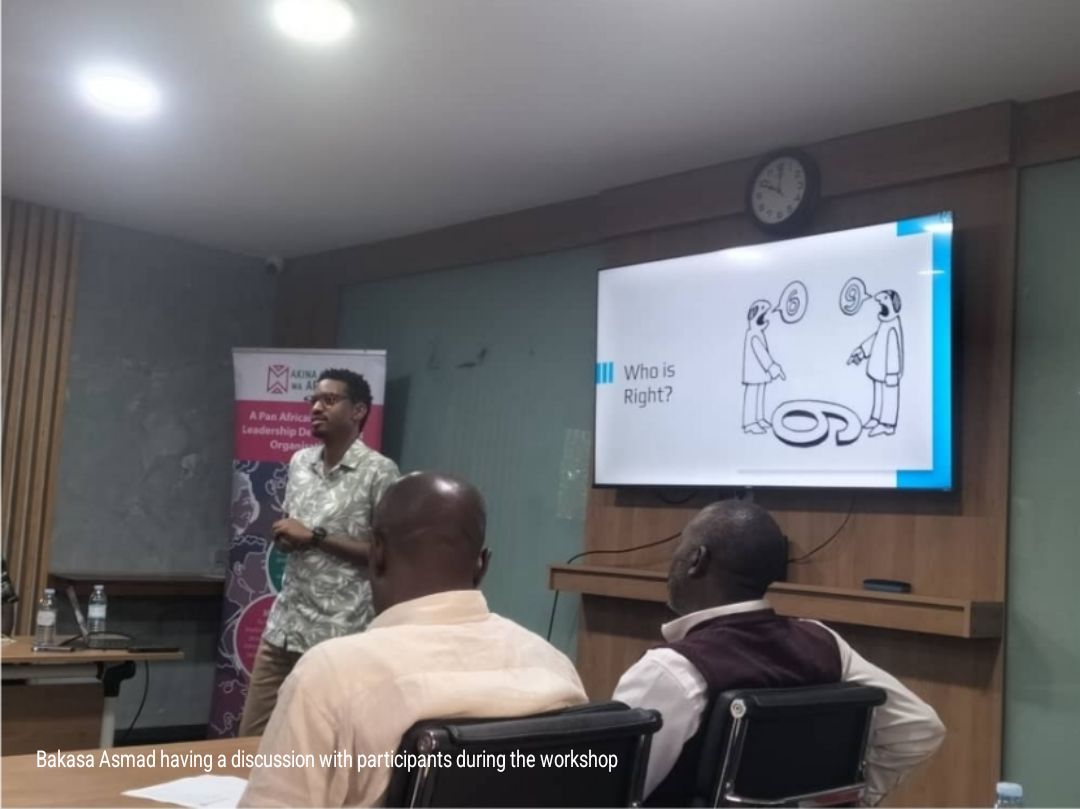
This appeal was made during a breakfast workshop held on October 15, 2025, at Fairway Hotel in Kampala, organised by Akina Mama wa Afrika (AMwA) in partnership with the Health Journalists Network Uganda and the SRHR Alliance Uganda.
The workshop, which brought together editors, senior journalists, aimed to deepen understanding and reframe narratives surrounding SRHR in Uganda’s media coverage. Participants discussed how to centre the lived realities of Ugandans, especially women, youth, and marginalised groups, in the production of SRHR stories, and how to strengthen editorial leadership in advancing evidence-based, solutions-oriented reporting.
 The broader context: A shrinking space for SRHR advocacy
Despite notable progress in advancing Sexual and Reproductive Health Rights (SRHR) in Uganda, challenges persist. Societal stigma, discrimination, and limited access to services continue to hinder the realisation of these rights.
While the country has registered policy milestones such as the Life Skills and Health Education guidelines for out-of-school adolescents and youth, several retrogressive laws and bills threaten to reverse these gains.
These include the Marriage Bill, the Sexual Offences Bill, the Family Policy, and the Human Assisted Reproductive Technology Bill, all of which have been criticised for potentially undermining reproductive autonomy and gender equality.
Across Africa and globally, the rise of shrinking civic spaces, and funding cuts by key development partners have compounded these challenges. These trends have limited the capacity of civil society and the media to challenge restrictive norms, push for social change, and advocate for inclusive policies.
Moreover, the co-optation of narratives, especially through traditional and digital media, has fuelled misinformation and polarised public opinion against gender equality and SRHR. This backdrop has made it increasingly urgent for editors to play an informed, proactive role in shaping public discourse.
Media as a force in shaping public understanding
Speaking during the workshop, Buky Williams, the SRHR Lead at Akina Mama wa Afrika, emphasised the pivotal role of editors in determining what the public perceives as important.
“We have realised over the years that the media often determines what becomes an important issue,” Buky said. “People cite the media when talking about SRHR that is why we must work closely with editors, who intimately decide what stories are told and how they are framed.”
She noted that while AMwA has engaged extensively with journalists in the past, editors have often been left out of such critical conversations despite being central to editorial direction.
“Editors shape headlines and influence how the public interprets the information we share. If they are not part of this conversation, we risk missing the bigger picture,” she added.
 Throughout the discussion, editors explored the biases and structural challenges within newsrooms that limit consistent reporting on SRHR. One of the facilitators, Bakshi Asuman, stressed the importance of focusing on the voices that bring stories to life.
“It is not just about the story but the voices behind the story that matter,” Asuman remarked.
Editors were urged to amplify diverse perspectives, especially those often excluded from mainstream media, and to ensure their stories are accurate, inclusive, and reflective of lived realities.
Participants also discussed the different framing techniques used in SRHR reporting in Uganda, acknowledging that framing influences whether a story challenges stigma or reinforces it. They agreed that media narratives must evolve from merely describing problems to offering context, analysis, and solutions.
From events to everyday coverage
Asuman highlighted the need to integrate SRHR into regular programming rather than limiting coverage to symbolic moments such as International Women’s Day or 16 Days of Activism.
“How can we use election season, national budgeting, or even the Parish Development Model discussions to talk about SRHR? You cannot lift people out of poverty without addressing their health needs,” he emphasised.
He called on media houses to produce more solutions-oriented stories that connect individual experiences with policy and governance issues. According to Asuman, narratives are powerful tools that shape public understanding and without a shared understanding of SRHR, misinformation and myths thrive.
Building expertise and collaboration
A key recommendation from the editors’ discussions was the creation of a national expert database of credible SRHR specialists, to help journalists source accurate and authoritative information. The participants also emphasised the need for ethical and legally sound SRHR reporting, collaboration with health institutions, NGOs, and academic researchers, and embedding SRHR stories into editorial planning cycles.
These steps, editors agreed, will not only strengthen accuracy but also ensure that SRHR remains part of national conversations about governance, democracy, and social justice especially in the run-up to elections.
Looking ahead: Long-term media partnerships
The October 15 engagement was followed by another roundtable on October 22, which built upon earlier resolutions and explored how elections shape SRHR narratives. Editors reflected on how politicians include—or omit—SRHR issues from their manifestos, and what this means for Uganda’s future.
The discussions also connected SRHR to broader democratic issues, such as misinformation, youth participation, and accountability in health governance.
“We are laying the foundation for what we hope will be a long relationship with editors,” Williams concluded.
She revealed that AMwA, in partnership with the African Centre for Media Excellence (ACME), has conducted research into how SRHR issues are portrayed in Ugandan media.
“We found that the media uses different frames, but many stories lack depth and rely on myths or general beliefs rather than expert evidence. We want more collaboration between journalists, editors, and health experts so that conversations are based on facts, not misconceptions,” she added.
The editors’ workshop marked a critical step toward redefining how Uganda’s media approaches SRHR reporting. As the country enters a heated political season, the call to action is clear: editors must move beyond event-based coverage and champion fact-based, inclusive, and human-centred SRHR narratives that inform, empower, and hold power to account.
The collaboration between AMwA, SRHR Alliance, and the Health Journalists Network signals a new chapter in Uganda’s media advocacy one that seeks not just to inform the public, but to transform how SRHR is understood and acted upon in the years ahead.
Discover more from tndNews, Uganda
Subscribe to get the latest posts sent to your email.