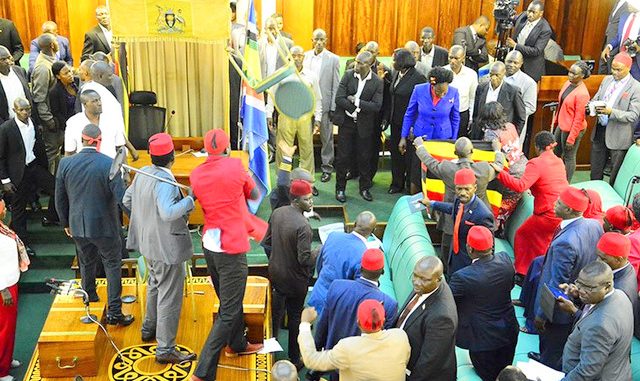
The Ugandan population, about 75% youthful, will be a critical factor in determining the outcome of the January 12th, 2026, Presidential and Parliamentary elections.
It’s thus imperative to note that about 95% of these youth were born during the post-NRA bush war of 1986 that brought President Yoweri Museveni Kaguta and his comrades to power. Most of them, if not all, have not known any other government than the NRM.
The majority are educated but unemployed, which makes them susceptible to manipulation in any tense political season.
Ideological vs Materialism
The recently concluded NRM primaries that climax with the delegates conference marks a sharp line of departure in the way the NRM has always conducted in elections. Critical to note is the shift in ideological thinking to a narrower base materialistic tendency which poses a threat to cadre identification, mentorship and grooming thus affecting the quality of leadership that ultimately emerges to address the governance challenges the country faces.
The use of money became a critical factor in determining critical positions, especially at the decision-making level of the party (Central Executive Committee). The choice for the National Vice Chairperson – Northern Uganda.
When the results for the Vice Chairperson – Northern Region were announced, a renowned political actor within the NRM party – The Rt. Hon. Dan Fred Kidega came a distant third in the race – a result that shocked many but did not surprise any critical observer of the trend the NRM party primary electoral processes had taken over the last two months.
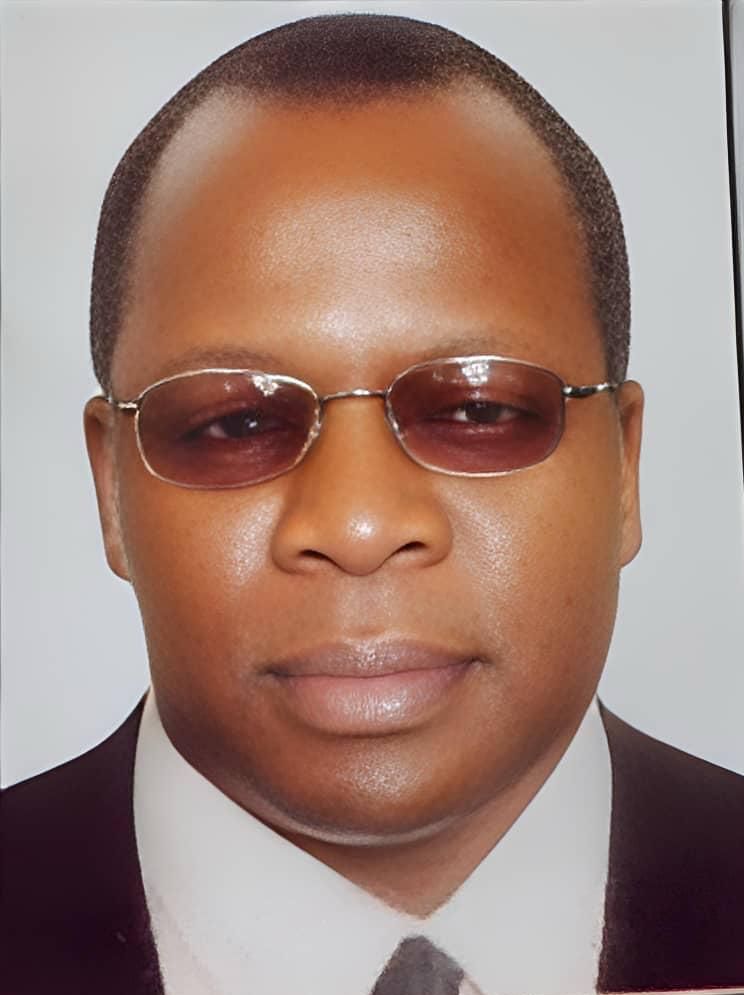
The Rt. Hon. Dan, a seasoned politician, former Speaker of the East African Legislative Assembly who contested for the position of NRM Vice Chairperson Northern Uganda, despite his impressive leadership journey that spanned 3 decades, received a paltry 658 votes (12.3%) against an eventual winner Hon. Denis Hamson Obua 3,591 votes (67%).
A quick analysis and reflection show that the extensive and extravagant use of money was the main driving force for securing this electoral outcome, and this trend has been evolving over the last three electoral cycles.
In Uganda’s current political climate, money has been extensively used to fuel and secure electoral successes against other parameters for credible leadership – integrity, experiences, transformative and service delivery.
It was observed that candidates have been spending their money on votes on: (a) transporting and accommodating delegates, (b) dishing cash handouts and gifts (including mobile handsets/tablets, (c) media publicity, (d) mobilization.
Anecdotal evidence shows that NRM candidates who expressed interest in more senior positions spent between UGX800m to 2bn to secure the various internal party positions. This means that those with limited financial muscles are sidelined from making a meaningful contribution to the party despite their experiences, qualifications, and transformational ideas therein.
Several reports from CSOs that have monitored electoral processes in the country since 2006 to date show the national trend in the commercialization of politics in Uganda.
This is manifested in the forms of (a) vote buying and delegate manipulation, (b) lavish campaign spending, often funded through loans or property sales, and (c) transactional loyalty where voters expect immediate material gains from the electoral processes.
For example, a report from CEPA for the 2011 elections showed that the NRM party spent UGX 1 trillion more than the national health budget. Individual MP candidates now spend UGX 800 million to UGX 2 billion, making politics a game for the wealthy and killing national patriotic leadership for improved service delivery.
This kind of trend breeds financial indiscipline, as candidates borrow heavily and assume office indebted. It also undermines meritocracy, excluding capable leaders like Rt. Hon. Kidega who lacked the deep financial muscles to sponsor such electoral victories.
Poverty as a political handicap: Perspective of voters from Acholi sub-region
Rt. Hon. Dan Fred Kidega comes from the Acholi sub-region, a region that has been ravaged by the two decades of war and despite peace returning in 2006 following the inconclusive Juba peace processes, the challenge of post-war recovery rages with youth unemployment, land wrangles, low agricultural productivity and a high poverty level in the country.
20.5% of the residents live below the poverty line, surviving on less than 1$ per day. Poverty rose from 33.4% in 2016/17 to 67.7% in 2019/20, despite the billions of dollars (estimated about 70bn) in post-war recovery programmes sunk in the region.

Given the above context, it was apparent that the NRM delegates coming from the Acholi sub-region were susceptible to manipulation and vote buying. Political engagement is often transactional, with communities expecting material incentives rather than policy promises.
This creates a hostile environment for candidates without financial muscle. Rt. Hon. Kidega, whose campaign was deeply rooted in NRM ideology and experience, struggled to have his ideas and thought processes resonate with people from the region where economic desperation largely shaped their political choices.
The linkage of poverty, politics, and exclusion
The loss registered by Rt. Hon Dan Kidega reflects a microcosm of a larger crisis that is slowly eating up the moral fabric of Ugandan society where devoted cadres who are strategic and visionary are excluded through manipulative processes. Through this, voters are conditioned to expect immediate handouts and material gains.
Poverty limits the ability of would-be potential good leaders to mobilize and garner support without money and where commercialized politics favors candidates with access to state resources and wealthy backers (the deep state).
This trend and cycle perpetuate elite capture, weaken democratic accountability, deepen regional inequalities, and affect cadre identification, mentorship, and loyalty to the whole NRM governance architecture.
Way forward
To break this cycle of manipulative tendencies in the electoral processes; there is a need to invest more in cadre identification, mentorship, motivation, retention, and ideological training. Invest more in civic awareness to educate them on responsible citizenship.
Enact a stringent law on campaign financing to cap spending and enforce transparency.
Transform the Acholi economic potential through mechanised agriculture to address the poverty challenges and promote inclusion.
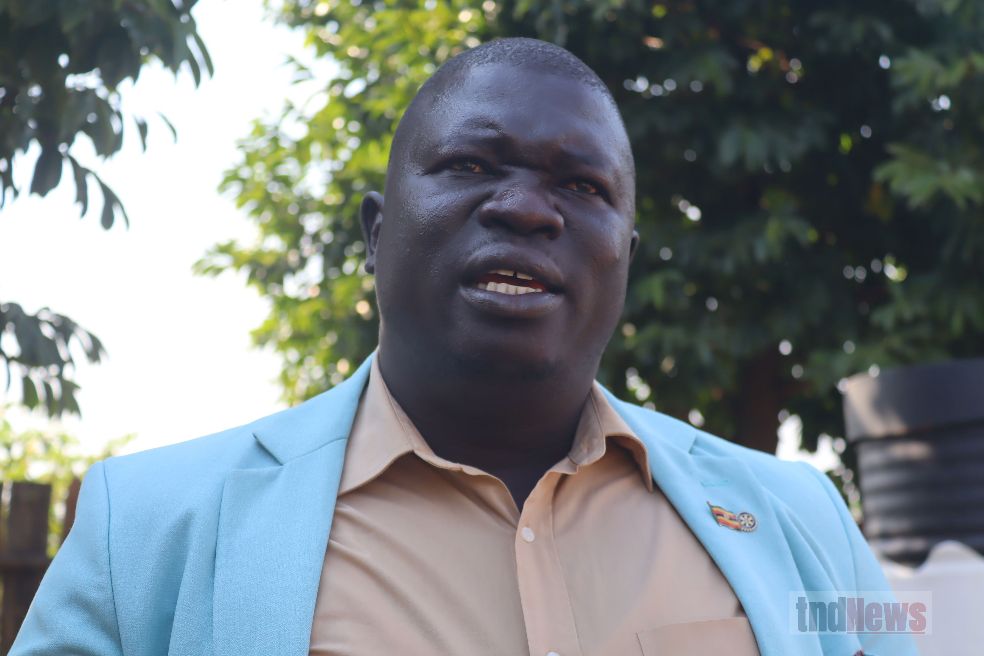
The writer, Geoffrey Osborn Oceng is the Resident District Commissioner for Amuru and a PhD. Candidate of Gulu University.
Discover more from tndNews, Uganda
Subscribe to get the latest posts sent to your email.