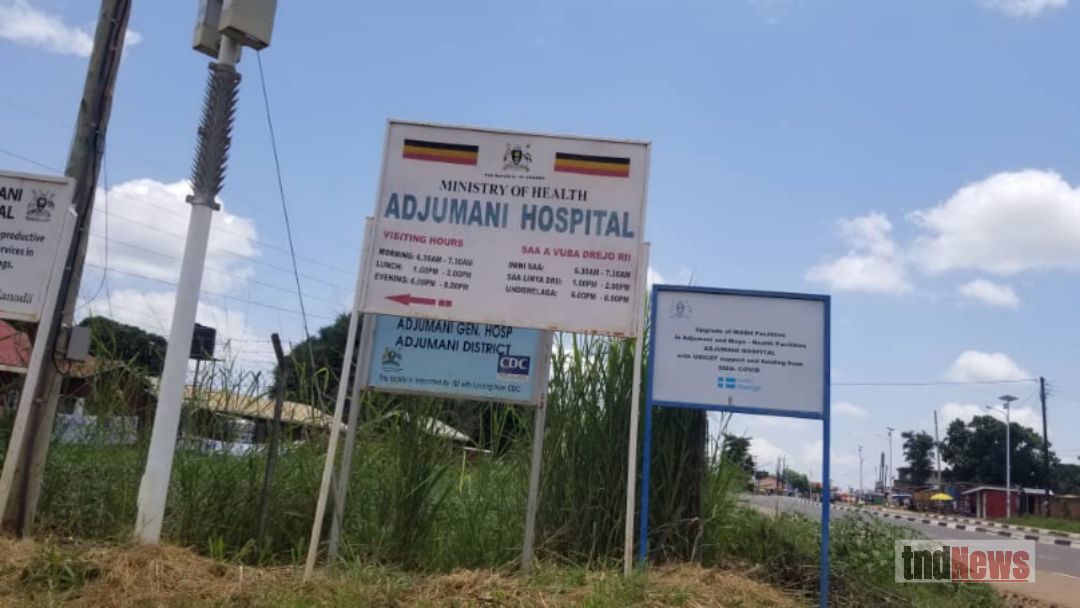
The health sector in Adjumani district has registered tremendous progress in maternal and child health. The progress is attributed to the ongoing interventions under the Share Project.
District health officials have revealed that between July 2024 and May 24, 2025, the district recorded only two maternal mortality deaths out of 13,577 deliveries, signalling a significant improvement in safe motherhood.
The Share Project is a five-year sexual health and reproductive education project which is being implemented in three countries in Africa. Uganda is one of the countries, along with Ghana and Mozambique.
In Uganda, Right to Play is the lead partner of the project alongside Forum for African Women Educationalists (FAWE), WaterAid and Family Health International 360 Degrees.
The project is looking at a total target of 44,671 beneficiaries of young women and 29,825 young men out of school: 14,769 girls and 9,846 boys in school.
Dr. Lulu Henry Leku, the Adjumani District Health Officer described the outcome as a milestone. He explained that of the 13,577 deliveries, 13,575 were safe, reflecting a drop in maternal deaths from 41 per 100,000 live births to 15 per 100,000 live births, now aligning with the national standard.
“We have seen a progressive reduction in the maternal mortality ratio in our institution. From the last financial year, 41 per 100,000 live births to the current 15 per 100,000 live births,” he said.
To put that into perspective, he revealed that from the month of July to May 24, 2025, the district lost two mothers out of 13,577 mothers that came for deliveries.
“And that means the 13,575 were saved. All of them had a safe delivery. And that shows the kind of progress we have made as a district because of the collective effort, including the contribution of the Share Project,” the DHO emphasised.
Adjumani district currently has 43 health care facilities, all of which have benefited from the Share Project. “And so, through this initiative, we have established 43 health facilities that can appropriately respond to the needs of adults, girls, young women and all women of reproductive age.
We want to report to the public that since then, we have seen improvement in access and utilisation of adolescent health services,” said Dr. Lulu.
These initiatives have not only improved maternal outcomes but also boosted outpatient attendance among adolescents, leading to a notable decline in teenage pregnancies, which now stand at 15.7%.
“We have also seen improvement in our key adolescent health indicators; our teenage pregnancies, as well, are at 15.7% compared to the national average of 24%,” Dr. Leru added.
Dribareo Agnes, one of the VHTs from Ciforo sub-county, whose capacity has been built under the project, explained thus. “Before our capacity was not built, we had been doing things anyhow, we didn’t care whether we would get infections. We didn’t bother to use gloves when treating a patient, but after the training, we are now doing well.”
Agnes said on June 20, 2025, she referred a mother to the hospital when she was in labour pains.
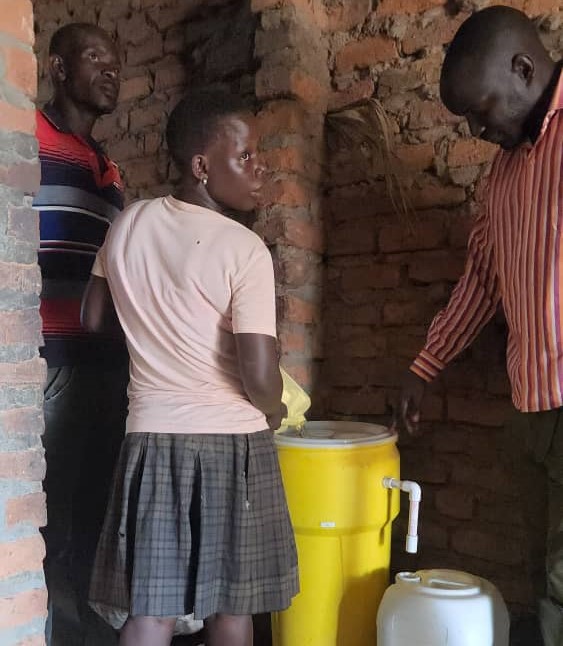
“In Maijji B Health Centre II, we rehabilitated their only surviving sanitation facility which was in a very horrible state. We went ahead to support them with a motorised water supply system,” a WaterAid representative working in Adjumani said.
The facility has a washroom attached to it in addition to a permanent hand-washing facility. “The maternity ward was not in a very bad state although the ceiling was almost falling. The cracks were too much. So, we rehabilitated the ceiling for that ward, but we realised the entire ceiling was not done well.”

Uthman Bagonza, the project manager at Right to Play, said as far as the Share Project is concerned, there is more focus on ensuring that the adolescent girls and boys have access to services like education and health.
“We are focused on the primary school sector as FAWE deals with the secondary schools. Under health, we have managed to supply sports materials to all 43 health centres to improve the revisit of the facilities by the adolescents,” said Uthman.
With this progress, Adjumani district is positioning itself as a model for maternal and child health improvement in Uganda.
Authorities and development partners say the focus will remain on strengthening health systems, expanding adolescent-friendly services, and enhancing community awareness to reduce preventable deaths and health risks.
Discover more from tndNews, Uganda
Subscribe to get the latest posts sent to your email.