In the heart of Uganda, amid its breathtaking landscapes and the resilient spirit of its people, a silent epidemic is ravaging lives—often unnoticed in the noise of everyday existence.
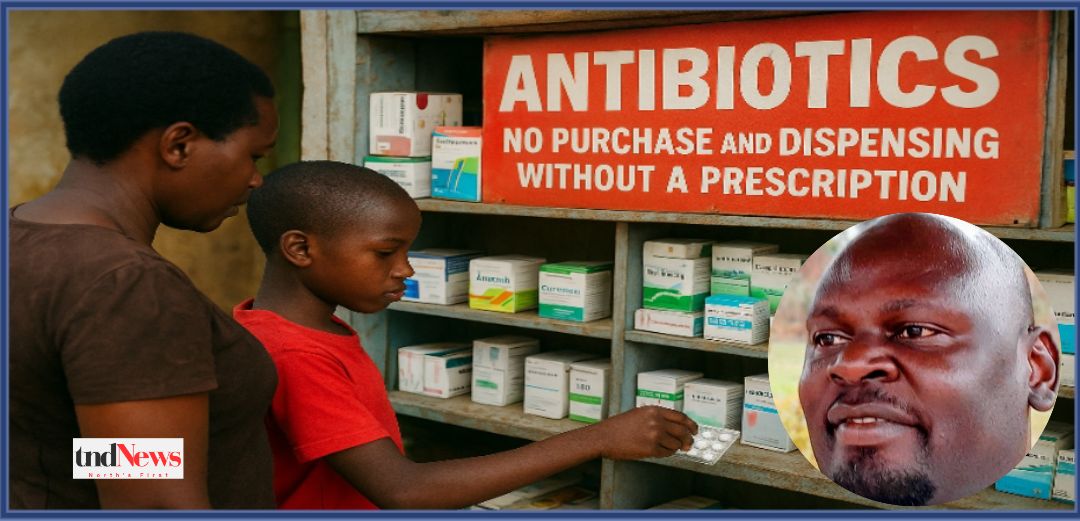
Walk into any pharmacy, and you will witness a heart-wrenching spectacle: children under the age of 18, wide-eyed and innocent, purchasing antibiotics as casually as one would buy candy. This alarming normalization of self-medication threatens the very foundations of public health.
Picture a mother, weary from endless hours in the fields, rushing to buy medication for her sick child, rarely pausing to consider whether it’s the right choice. Or a young student, armed with nothing more than an online search for a “quick cure,” hurrying to the nearest drug shop for antibiotics, unaware that each unmonitored dose could cost him his health in the long run. These choices, born out of desperation and convenience, are symptoms of a health system riddled with dangerous gaps.
The institutions meant to safeguard us, the National Drug Authority and the Pharmaceutical Association of Uganda, are in a precarious state. Understaffed, underfunded, and undermined by corruption, they conduct inspections only sporadically, often timed around school openings or festive seasons, when fines can be turned into quick revenue.
The result? A thriving environment where drug shops operate unchecked, dispensing powerful medications with no accountability. A 2021 Ministry of Health survey revealed that more than 60% of Ugandans access medicines through unlicensed drug outlets, while only 35% of pharmacies nationwide employ qualified pharmacists.
And so, as Uganda grapples with this growing crisis, the specter of antimicrobial resistance looms. The reckless, widespread abuse of antibiotics is echoed in warnings from health officials and international bodies alike.
Globally, antimicrobial resistance (AMR) causes an estimated 1.27 million deaths each year, with Sub-Saharan Africa carrying the heaviest burden. In Uganda, studies show that more than 70% of bacterial infections are resistant to at least one commonly prescribed antibiotic.
Yet despite generous funding from the global community to combat drug resistance, money is routinely squandered, resources that could instead fund nutrition programs for malnourished children (over 28% of Ugandan children under five are stunted), X-rays for under-equipped hospitals, or flood relief for devastated communities. The result is a band-aid solution over a festering wound.
Even more baffling is our failure to enforce the simplest of measures: a ban on the over-the-counter sale of prescription drugs. Just three to six months of strict punitive action would send a powerful signal, but the will to act remains absent. Kenya’s Pharmacy and Poisons Board recently reported a 40% reduction in illegal drug sales after nationwide crackdowns, showing that deterrence can work if applied consistently.
Must we wait for a presidential directive to protect citizens from preventable deaths? Why does inefficiency continue to dictate who lives and who dies in Uganda?
You don’t need to be a doctor to know the consequences: if the antibiotics that are common, accessible, and affordable today become resistant, the result will be massive, preventable deaths, especially among the millions of Ugandans living with HIV/AIDS, whose immune systems are already compromised.
The solution is simple but it requires political will: a total, uncompromising ban on the sale of prescription drugs over the counter. No exceptions. No loopholes. Enforce the law rigorously, terminate licenses of pharmacies and drug shops that breach it, and impose strict penalties, including jail terms for repeat offenders.
With clear enforcement and zero tolerance, this practice can be curbed in less than a year. It is something I could implement effectively, even in my dreams, given the mandate. The tools are at hand; what is required is the will to protect the lives of our people.
For me, this crisis is painfully personal. In 2020, my uncle, a diabetic and hypertensive patient, was advised at Mulago Heart Institute to discard his medications after they were confirmed counterfeit. Later, while on a work trip to New York, he asked me to help him obtain genuine drugs. Having lived in the UK, I knew prescriptions were tightly controlled, but I still tried to buy them over the counter in Manhattan.
I quickly realized how absurd it was; in the US, it was unthinkable. A friend, a medical professor, eventually helped by writing a prescription in my name. That episode revealed how completely broken our system at home has become.
But the deepest scar is the loss of my brother. What began as a routine surgery turned into a nightmare of complications and infections. By the time he was transferred to Nairobi, 99 percent of the antibiotics prescribed were already ineffective.
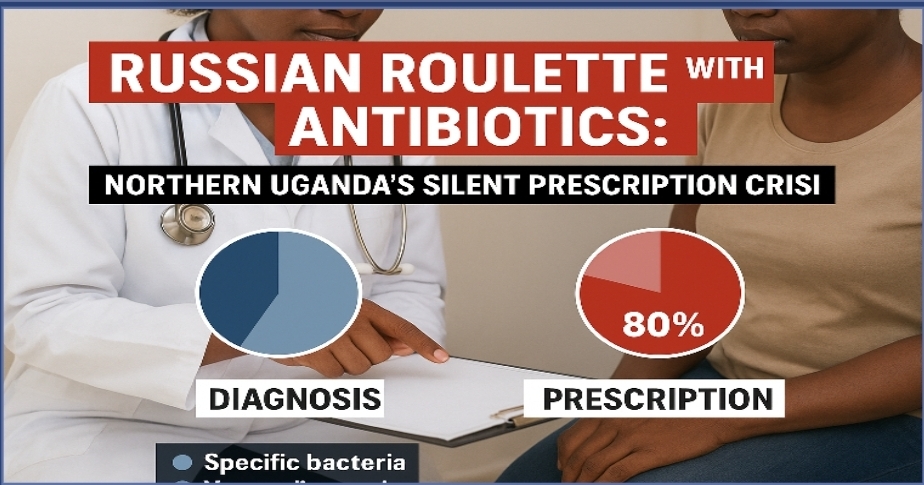
Research shows that in Ugandan hospitals, resistance rates for commonly used antibiotics like amoxicillin and ciprofloxacin now exceed 80%, rendering them nearly useless in treating life-threatening infections. Watching him slip away because the medicines had failed remains the most profound sorrow of my life.
Uganda is at a pivotal moment. Reforming drug distribution requires unwavering commitment from leaders, professionals, and citizens alike. We must enforce the laws already on the books, strengthen community awareness, and put public health above personal profit.
Ghana has cut antibiotic misuse by 35% through strict regulation, while Rwanda has rolled out nationwide community health worker programs that reduced unnecessary antibiotic prescriptions by over 40%. Imagine if every pharmacy here employed trained pharmacists to counsel patients or if communities were educated to understand that not every fever needs an antibiotic. These are not impossibilities. They are choices waiting to be made.
The question is whether we are willing to confront the uncomfortable truth: our current path is unsustainable. Will we choose the difficult road of reform, or allow apathy to dictate the fate of our people?
The time for action is now. Uganda deserves a fighting chance against the forces that threaten our health and our future. Every Ugandan life hangs in the balance. We cannot afford to wait until it is too late.
Dr. Bob Marley Achura is a senior global health and development leader with over 23 years of experience designing, managing, and evaluating multi-sectoral health programs across East and Southern Africa. He’s tndNews’ Senior Resident Columnist.
Discover more from tndNews, Uganda
Subscribe to get the latest posts sent to your email.